
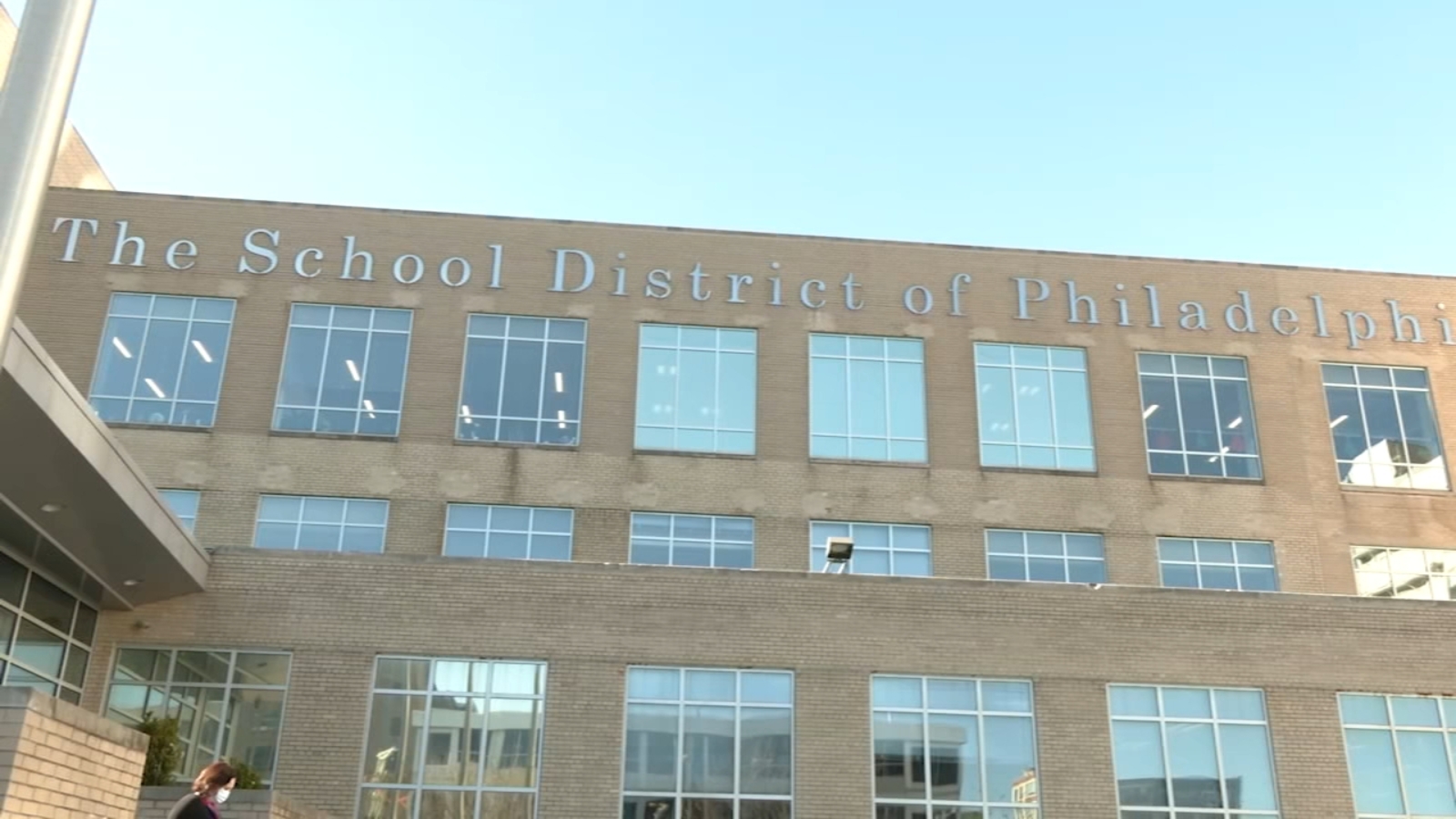
As an oppressive heat wave sweeps across the region, the School District of Philadelphia has announced that 52 educational facilities will pivot to philadelphia schools virtual learning heat protocols on Friday, June 5. This significant decision affects thousands of students across the city and underscores ongoing concerns about aging cooling infrastructure in public school buildings.
The shift comes as forecasters predict dangerously high temperatures throughout the Philadelphia area, prompting district officials to prioritize student and staff safety over in-person instruction. With summer-like conditions arriving earlier than expected, administrators determined that certain schools simply cannot maintain safe indoor temperatures without functional air conditioning.
Why the Philadelphia School District Made the Call
In an official statement, district leadership acknowledged that while considerable progress has been made toward modernizing cooling systems across the city’s educational facilities, several buildings still struggle to maintain adequate temperatures during extreme weather events. These inadequate cooling systems have become a recurring challenge, especially as climate patterns shift toward more frequent and intense heat waves.
The decision affects not only K-12 students but also early childhood programs housed within the affected buildings. All early childhood and PreK/Head Start programs located at designated schools will also transition to remote instruction for the day, ensuring that younger learners are equally protected from heat-related health risks.
District officials emphasized that while classroom learning will move online, students may still participate in scheduled field trips. Administrators encouraged families to ensure children wear light, breathable clothing and bring water bottles to stay hydrated if they attend any outdoor activities.
Health and Safety Priorities
Extreme heat poses particular dangers to children, whose bodies regulate temperature less efficiently than adults. Symptoms of heat exhaustion and heat stroke can develop quickly in overheated classrooms, making functional cooling systems essential rather than optional. By moving to virtual learning during peak heat, the district is taking a precautionary approach that prioritizes student wellbeing over instructional consistency.
All in-person after-school activities scheduled for Friday at the affected schools have been canceled as well. This includes sports practices, clubs, enrichment programs, and any other gatherings that would normally take place on campus. Parents and guardians should check with their specific schools for information about makeup dates or alternative arrangements.
The Full List of 52 Philadelphia Schools Moving to Virtual Learning
The following schools will operate remotely on Friday due to extreme heat conditions:
- AMY Northwest
- Bache-Martin (PreK/Head Start on-site)
- Blaine, James (PreK/Head Start on-site)
- Building 21
- Catharine, Joseph (PreK/Head Start on-site)
- Comegys, B.
- Comly, Watson
- Cooke, J.
- Crossan, Kennedy
- Disston, Hamilton
- Dunbar, Paul
- Emlen, Eleanor (PreK/Head Start on-site)
- Fell, D Newlin
- Fox Chase
- Franklin, Ben HS
- Girard, Stephen
- Harding, Warren
- Henry, Charles
- Hill-Freedman
- Hopkinson, Francis
- Houston, Henry
- Howe, Julia
- Jenks, Abram
- Jenks, John S
- Lamberton (PreK/Head Start on-site)
- Lingelbach, Anna
- Loesche (PreK/Head Start on-site)
- Ludlow, James
- McCloskey, John
- McClure, A. (PreK/Head Start on-site)
- McMichael, M. (PreK/Head Start on-site)
- Mitchell, Weir
- Moore, J. Hampton
- MYA
- Olney Elementary
- Overbrook ES
- Parkway West
- Patterson, John (PreK/Head Start on-site)
- Rhawnhurst (PreK/Head Start on-site)
- Rowen, William
- Roxborough HS
- Sayre, William
- Sharswood, George (PreK/Head Start on-site)
- Sheppard, Isaac
- South Phila. HS (PreK/Head Start on-site)
- Spring Garden
- Spruance, Gilbert (PreK/Head Start on-site)
- Sullivan, James
- Tilden, William
- The U School
- Wagner, Gen. Louis
- Washington, Martha
Schools marked with an asterisk denote facilities that host on-site PreK or Head Start programs, which will also shift to virtual instruction for the day.
Understanding the Broader Cooling Infrastructure Challenge
The recurring nature of heat-related school closures highlights a persistent challenge facing urban school districts nationwide. Many of Philadelphia’s school buildings are decades old, with cooling systems that were either installed decades ago or never installed at all. Air conditioning was historically considered a luxury rather than a necessity in older school designs, particularly in buildings constructed before climate change made extreme summer heat the new normal.
Progress and Persistent Gaps
The district has invested significantly in upgrading cooling capacity across its facilities in recent years, but the list of 52 schools affected by Friday’s heat closure demonstrates that work remains incomplete. This ongoing infrastructure challenge affects communities unequally, with schools in lower-income neighborhoods often facing the most severe cooling deficiencies due to historical underinvestment in facility maintenance.
Parents, educators, and advocates have called for accelerated timelines and increased funding to address these gaps. The question of how quickly the district can close its cooling deficit has taken on new urgency as early-season heat waves become more common. June temperatures that would have been considered unusual a generation ago are now arriving with predictable regularity, leaving school calendars vulnerable to disruption.
Preparing for Virtual Learning Days
For families affected by Friday’s shift to remote instruction, preparation can help ensure a smooth educational experience despite the sudden schedule change. Students should log into their learning platforms early in the morning to confirm connectivity and access any asynchronous materials teachers may have posted.
Teachers across the 52 affected schools have likely received guidance from district administration on how to structure the virtual learning day. Many educators have become well-versed in remote instruction methods following the COVID-19 pandemic, which forced schools nationwide to develop robust digital learning capabilities. That experience is now paying dividends during extreme weather events.
Tips for Students Learning from Home During a Heat Wave
- Create a cool study space: Use fans, close blinds, and stay on the lowest floor of your home if possible to escape the heat.
- Stay hydrated: Keep water within reach throughout the school day rather than waiting until you feel thirsty.
- Take screen breaks: Extended computer time can be tiring; step away periodically to rest your eyes and stretch.
- Communicate with teachers: Reach out via email or messaging platforms if you have questions about assignments or technical issues.
- Maintain a routine: Try to follow a schedule similar to a regular school day to stay focused and productive.
Weather Outlook and Regional Impact
AccuWeather meteorologists forecast a sweltering conclusion to the week across the Philadelphia region, with temperatures expected to climb well above seasonal averages. The combination of high temperatures, humidity, and limited overnight cooling creates particularly dangerous conditions for vulnerable populations, including children, elderly residents, and those without access to air conditioning at home.
Heat-related illnesses typically spike during the first significant heat wave of the season, as bodies have not yet had time to acclimate to warmer conditions. Public health officials urge residents to check on neighbors, limit outdoor activities during peak afternoon hours, and recognize the warning signs of heat exhaustion and heat stroke.
Looking Ahead: The Future of Climate-Resilient Schools
Friday’s announcement serves as a reminder that climate change is reshaping the educational calendar in ways previous generations never anticipated. School districts across the country are grappling with how to maintain instructional continuity while protecting students from increasingly common extreme weather events, including heat waves, severe storms, and air quality emergencies.
Investment in cooling infrastructure represents one piece of a much larger puzzle. Comprehensive climate adaptation in schools may also include improved insulation, energy-efficient windows, upgraded ventilation systems, and emergency response protocols that allow learning to continue safely regardless of outdoor conditions.
For Philadelphia families, the immediate priority is staying safe and cool while supporting children’s learning during this disruption. The district has indicated it will continue monitoring weather conditions and communicating any additional schedule changes through official channels, including its website, social media accounts, and direct notifications to families.
Conclusion
The decision to move 52 Philadelphia schools to virtual learning on Friday represents a thoughtful response to genuine safety concerns. While no one wants to see instructional time disrupted, the alternative,keeping students in overheated classrooms,presents unacceptable health risks. As climate patterns continue to evolve, communities across the nation will need to invest more heavily in educational infrastructure that can withstand whatever weather the future brings. For now, Philadelphia students, parents, and educators will adapt once again, demonstrating the resilience that has become a defining characteristic of modern public education.