
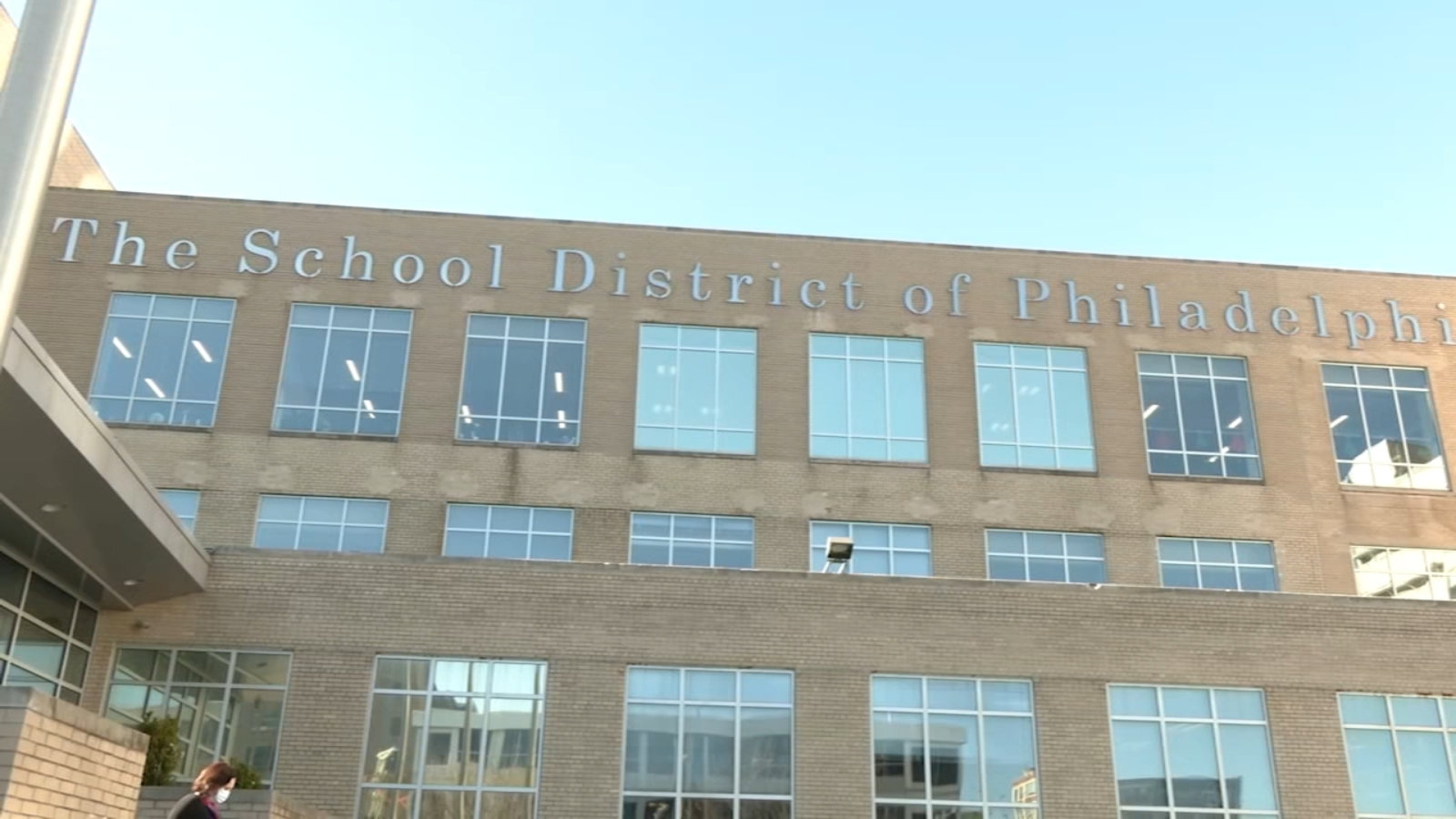
When temperatures soar and classrooms become unbearable, the decision for schools to shift to virtual learning becomes a critical safeguard for student health and well-being. On Friday, June 5, the School District of Philadelphia announced that 52 schools will shift to virtual learning due to a forecast of extreme heat hitting the region. This move highlights the ongoing challenge many urban districts face with aging infrastructure and inadequate cooling systems, particularly as climate change drives more frequent and intense heat waves across the Northeast.
Why the District Made the Call
In an official statement, district leadership acknowledged that while substantial progress has been made in upgrading heating and cooling infrastructure across Philadelphia public schools, a significant number of buildings still lack adequate air conditioning or ventilation systems capable of keeping students and staff safe during severe heat events. With the latest extreme heat forecast projecting dangerously high temperatures throughout the Philadelphia region, administrators determined that the safest course of action was to transition affected schools to remote instruction for the day.
This kind of rapid pivot reflects a broader national trend: as summer heat arrives earlier and lingers longer, school districts nationwide are increasingly forced to weigh academic continuity against student safety. The Philadelphia School District’s response demonstrates both transparency about its infrastructure limitations and a commitment to prioritizing the health of its youngest learners.
Early Childhood Programs Also Affected
The disruption extends beyond K-12 classrooms. Early childhood programs, including PreK and Head Start classrooms located within the affected school buildings, will also transition to virtual instruction. Young children are particularly vulnerable to heat-related illnesses, as their bodies regulate temperature less efficiently than adults. Moving these programs online ensures continuity of learning while protecting some of the district’s most vulnerable students from the dangers of inadequate cooling in schools.
The Full List of Schools Transitioning to Virtual Learning
The district released a complete roster of the 52 schools that will operate remotely on Friday. Parents, guardians, and students can reference the list below to confirm whether their assigned building is affected:
- AMY Northwest
- Bache-Martin*
- Blaine, James*
- Building 21
- Catharine, Joseph*
- Comegys, B.
- Comly, Watson
- Cooke, J.
- Crossan, Kennedy
- Disston, Hamilton
- Dunbar, Paul
- Emlen, Eleanor*
- Fell, D Newlin
- Fox Chase
- Franklin, Ben HS
- Girard, Stephen
- Harding, Warren
- Henry, Charles
- Hill-Freedman
- Hopkinson, Francis
- Houston, Henry
- Howe, Julia
- Jenks, Abram
- Jenks, John S
- Lamberton*
- Lingelbach, Anna
- Loesche*
- Ludlow, James
- McCloskey, John
- McClure, A.*
- McMichael, M.*
- Mitchell, Weir
- Moore, J. Hampton
- MYA
- Olney Elementary
- Overbrook ES
- Parkway West
- Patterson, John*
- Rhawnhurst*
- Rowen, William
- Roxborough HS
- Sayre, William
- Sharswood, George*
- Sheppard, Isaac
- South Phila. HS*
- Spring Garden
- Spruance, Gilbert*
- Sullivan, James
- Tilden, William
- The U School
- Wagner, Gen. Louis
- Washington, Martha
* Schools with on-site PreK or Head Start programs. Families with children in these early childhood classrooms should confirm specific scheduling details with their school administrators.
What Happens to After-School Activities and Field Trips
The decision to move to remote learning also carries implications for extracurricular programming. All in-person after-school activities scheduled for Friday at the 52 impacted buildings have been canceled. This includes athletics, clubs, enrichment programs, and any other gatherings that would have taken place inside the affected facilities. Parents should check with their school’s front office for information on rescheduled events or alternative arrangements.
However, district officials clarified that students may still attend scheduled field trips as planned. Outdoor excursions to air-conditioned venues, museums, or other destinations can proceed safely, provided organizers monitor the conditions and take appropriate precautions. Teachers and chaperones accompanying students on these trips are encouraged to follow standard heat-safety protocols.
Health and Safety Recommendations
For students who do venture outdoors for any reason this Friday,whether for field trips, travel to childcare, or other commitments,the district issued the following guidance:
- Dress in light, breathable clothing to help the body regulate temperature naturally.
- Bring water bottles and drink frequently to prevent dehydration.
- Avoid extended sun exposure during peak afternoon hours when temperatures typically peak.
- Recognize the warning signs of heat-related illness, including dizziness, nausea, headaches, and excessive sweating, and seek shade or medical attention immediately if symptoms appear.
These simple precautions can dramatically reduce the risk of heat exhaustion and heatstroke, conditions that have become increasingly common in regions unaccustomed to prolonged extreme temperatures. Parents should reinforce these messages at home, especially with younger children who may not recognize early warning signs.
The Bigger Picture: Cooling Infrastructure and Equity
The decision to transition 52 schools to virtual learning is not simply a one-off reaction to a single weather event,it is a symptom of a deeper infrastructure challenge facing the Philadelphia School District and many other urban systems nationwide. Decades of underinvestment in school facilities have left countless classrooms without functioning air conditioning, leaving students and teachers to endure sweltering conditions in buildings originally designed without modern climate control in mind.
This issue carries significant equity implications. Schools in lower-income neighborhoods are disproportionately likely to lack adequate cooling, meaning that students from historically marginalized communities often bear the brunt of disrupted instruction during heat waves. Each time schools shift to virtual learning because of extreme heat and inadequate cooling systems, the academic gap between well-resourced and under-resourced schools widens further.
Progress and Remaining Challenges
The School District of Philadelphia has acknowledged that notable progress has been made in upgrading cooling infrastructure across its portfolio of buildings. Capital improvement projects have brought air conditioning to many schools that previously lacked it. However, the fact that 52 schools still need to close on a single hot day reveals just how far the district still has to go before every classroom provides a comfortable, safe learning environment year-round.
District leaders, parent advocacy groups, and city officials continue to grapple with the funding, logistics, and timeline required to bring every school up to modern standards. Until that work is complete, decisions like the one announced for Friday will remain a recurring reality for Philadelphia families each summer.
Looking Ahead: A Pattern of Pre-Summer Heat
Meteorologists tracking the Philadelphia heat wave forecast warn that this week’s extreme temperatures may be only the beginning. Climate data suggests that the Northeast is entering a pattern of hotter, longer summers punctuated by severe heat events earlier in the calendar year. June temperatures that historically averaged in the low 80s are now routinely reaching the upper 80s and 90s, putting pressure on schools to adjust their calendars, contingency plans, and facility investment strategies.
For families, staying informed through official district communications channels and local news outlets remains the best way to navigate these disruptions. Parents should ensure their contact information is up to date with their child’s school so they receive timely alerts about virtual learning days, schedule changes, and other important updates. The district also encourages families to reach out directly to school administrators with questions specific to their building or classroom.
Conclusion
The decision for 52 Philadelphia schools to shift to virtual learning on Friday, June 5, underscores the very real intersection of climate, infrastructure, and education policy. While no parent or educator wants to see classrooms emptied because of heat, the alternative,keeping students in dangerously hot buildings,would be far worse. The district’s willingness to prioritize student safety through remote instruction reflects responsible leadership, even as it highlights the urgent need for sustained investment in cooling infrastructure across every school building. As extreme heat events become more frequent, communities across the country will be watching how Philadelphia and similar districts balance academic continuity with the fundamental obligation to keep students safe, healthy, and ready to learn.