
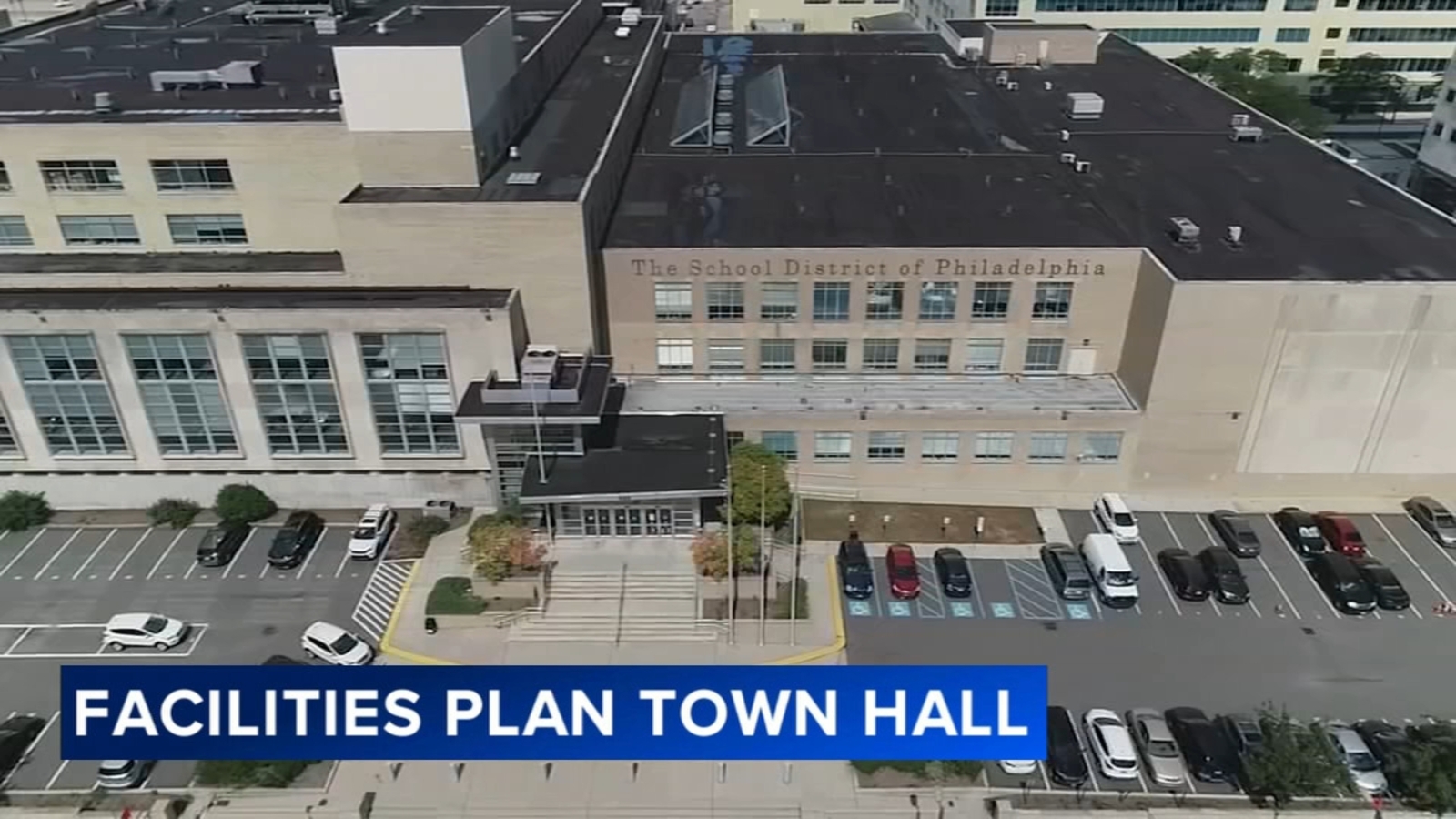
The conversation around Philadelphia school closures reached a fever pitch this week as parents, students, and elected officials packed the School District of Philadelphia’s final public town hall to challenge a sweeping facilities master plan that could reshape education across the city for generations. With approximately 100 community members taking the mic during the hours-long hearing, the meeting became a powerful display of civic engagement , and a clear signal that the district’s $2.8 billion proposal faces fierce resistance before a single vote is cast.
While district officials frame the plan as a necessary response to deteriorating buildings, declining enrollment, and chronic underfunding, those most directly affected are telling a different story. Students described unsafe walking routes, questioned the condition of buildings marked for closure, and directly asked board members to vote “no.” Here is a comprehensive look at the plan, the pushback, and what happens next.
Background on the Facilities Master Plan
The School District of Philadelphia’s facilities master plan has been years in the making, but the public comment period has been anything but leisurely. According to State Rep. Morgan Cephus, who spoke at the town hall, the district spent years developing the proposal yet offered families, teachers, and students only weeks to digest its implications. That compressed timeline has been a major source of frustration for community stakeholders.
What the Revised Plan Includes
The current iteration of the plan calls for the closure of 18 schools in phases beginning in 2027 , down from the original recommendation of 20. Two schools have already been spared from the list: Conwell Middle School and Motivation High School. However, the revised plan still includes significant changes to several other campuses:
- Robeson High School would merge with Motivation High School.
- Lankenau Environmental Science Magnet High School would merge with Walter B. Saul High School.
- Phased closures would begin in 2027, giving the district several years to implement the changes.
Why the District Says It’s Necessary
District leaders have defended the facilities master plan as an effort to address several deep-rooted challenges simultaneously. According to public statements, the goals include:
- Increasing equity and access to academic programs across Philadelphia neighborhoods.
- Addressing poor building conditions in aging school infrastructure.
- Responding to ongoing enrollment challenges and shifting population patterns.
- Working around chronic underfunding that has left the district with limited capital resources.
Officials argue that consolidating schools and merging programs will allow the district to reinvest in remaining facilities and offer a broader range of academic opportunities. However, critics say the plan prioritizes spreadsheets over student well-being.
Voices of Opposition at the Final Town Hall
The final public town hall was held solely to gather feedback, and no vote was taken. But the emotional weight of the testimony made clear that community opposition to the Philadelphia school closures is widespread and deeply felt.
Students Speak Out
Perhaps the most powerful voices at the hearing came from students themselves, many of whom are directly affected by the proposed closures and mergers. Their criticisms ranged from logistical concerns to pointed personal appeals.
“This lousy plan has gotten so much obvious pushback from the village that it feels ridiculous that we’re still here debating with you,” one student told the school board, capturing the frustration felt by many in the room.
Another student raised urgent safety concerns about the proposed closure of Stetson, warning that roughly 500 children would be forced to walk past Kensington & Allegheny , an area widely considered one of the most dangerous corridors in the city. “You are trading our safety for a spreadsheet,” the student said, a line that resonated throughout the hearing.
Lawmakers Weigh In
Elected officials also used the platform to push back on the pace and scope of the plan. State Rep. Morgan Cephus expressed what he called “deep concern” about the timeline, noting that the facilities plan took years to create while giving affected communities only weeks to respond. His remarks underscored a broader worry among state and local leaders: that the district is rushing a decision with long-lasting consequences for thousands of families.
Lawmakers also pressed the district to slow the process, conduct deeper community engagement, and reconsider the criteria used to determine which schools are slated for closure or merger.
Safety Concerns Take Center Stage
Beyond academic considerations, student safety emerged as one of the most emotionally charged themes of the evening. Critics argued that the district’s enrollment data and building assessments do not account for the real-world dangers students would face walking longer distances to consolidated campuses. Several speakers noted that some of the proposed receiving schools are located in areas with high crime rates, inadequate sidewalks, and limited public transit access.
For parents in affected neighborhoods, these concerns are not hypothetical , they are daily realities. The proposed closures have raised questions about how the district will protect students who must travel through unfamiliar and potentially hazardous areas simply to attend class.
Schools Spared and Schools Still at Risk
While the revision of the plan , which now calls for 18 closures instead of 20 , represents a partial victory for advocacy efforts, many schools remain on the chopping block, and several others face mergers that could fundamentally alter their identities.
Conwell Middle School and Motivation High School Removed
Community organizing and public pressure appear to have paid off in at least two cases. Conwell Middle School and Motivation High School were removed from the closure list, providing relief for their respective school communities. However, the district also revised its plans for Robeson High School, which would now merge with Motivation , meaning while Motivation itself is safe, its student body may change substantially as it absorbs another campus.
Merger Proposals Raise Questions
Students from Lankenau Environmental Science Magnet High School were particularly vocal in questioning why their school was selected for merger with Walter B. Saul High School. Morgan Thomas, a Lankenau student, pointed out that the school’s building is in good condition and not in need of replacement.
“Our school was in good condition. Our building is not falling apart. Nothing like that,” Thomas said during the hearing.
Another Lankenau student, Makai Robinson-Jameson, was even more direct: “They’re making a stupid choice if they decide to close Lakenau.”
These sentiments reflect a broader concern that magnet and specialty schools , which often draw students through competitive application processes , are being treated the same as under-enrolled neighborhood schools, despite serving different populations and offering distinct academic programs.
What’s Next for the School Board
Midway through the town hall, board members emphasized that no vote had been taken on the facilities master plan and reiterated that they were actively listening to public feedback. That assurance did little to quell concerns from students who urged board members to act decisively against the proposal.
“You can vote no. We do not need or want this. You are allowed to vote no,” one student told the board, encapsulating the direct appeal that ran throughout the evening.
The school board’s next regular meeting is scheduled for March 26, at which point members may continue to discuss the plan, revise it further, or move toward a vote. Given the volume and intensity of public opposition, it remains unclear whether the board will proceed with the current proposal, amend it further, or delay action altogether.
In the meantime, advocacy groups, parent associations, and student organizers are expected to continue mobilizing, holding their own meetings, and pressuring board members ahead of any decisive vote. The district has indicated it remains committed to gathering community input, but critics argue that the consultation process has been insufficient given the scale of the changes being proposed.
Conclusion
The debate over Philadelphia school closures is far from over. What unfolded at the final town hall was more than a procedural step in a long planning process , it was a vivid demonstration of a community that refuses to be sidelined in decisions about its children’s futures. Students shared personal stories, lawmakers raised structural concerns, and parents demanded accountability from a district they feel is moving too quickly on irreversible changes.
While the district maintains that the facilities master plan is essential to addressing equity, building conditions, and chronic underfunding, the opposition has made one thing clear: any path forward must prioritize student safety, preserve academic programs that work, and give families the time and respect they deserve. As the March 26 school board meeting approaches, all eyes will be on Philadelphia to see whether the voices raised at the town hall translate into meaningful changes to the plan , or whether the closures move forward as proposed.