
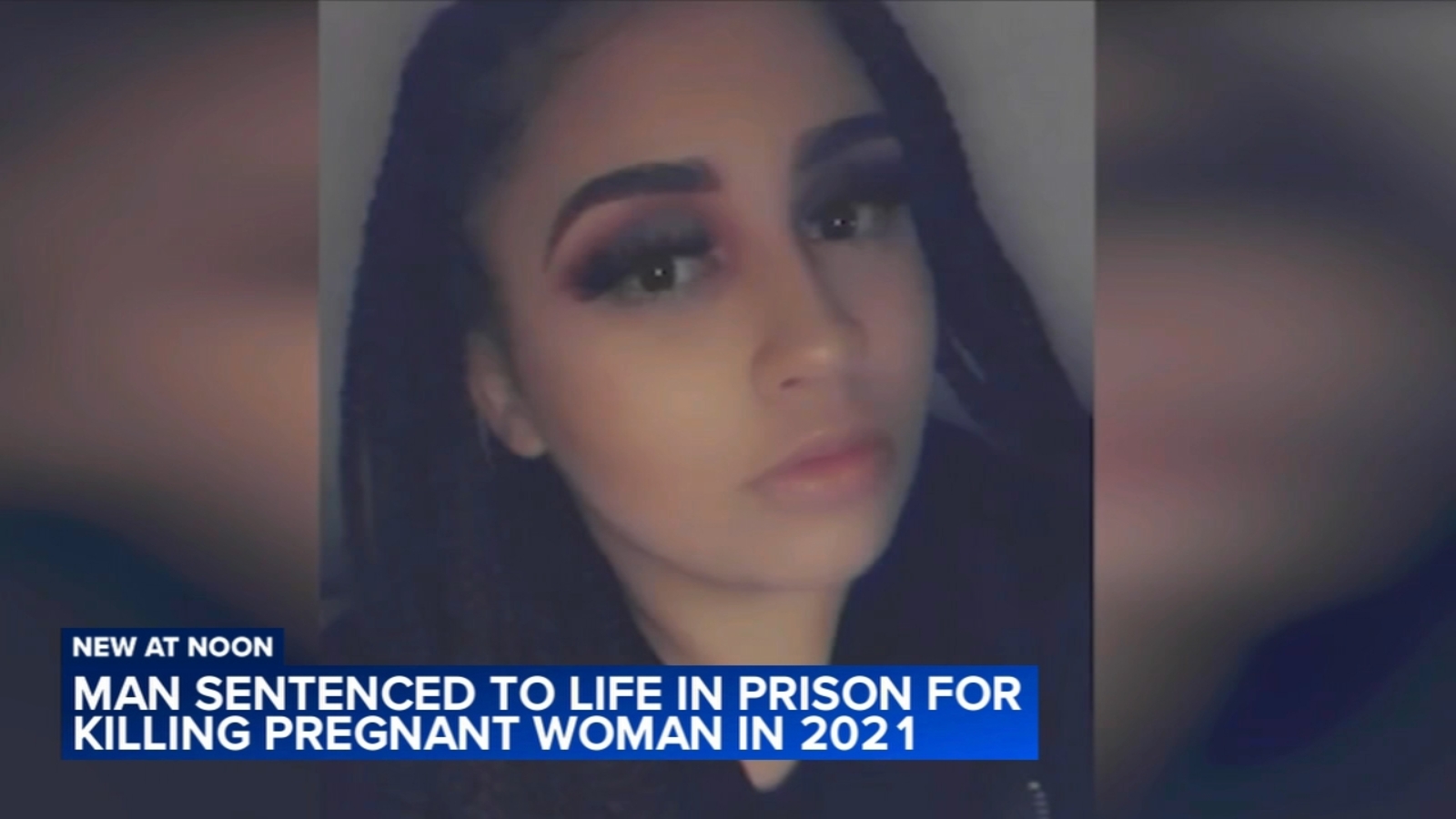
A pregnant girlfriend murder conviction has brought a measure of justice to a Philadelphia community still reeling from a devastating 2021 crime. Justin Smith, a 26-year-old man who spent four years on the run following the brutal shooting death of his pregnant girlfriend, 21-year-old Dianna Brice, has been found guilty of first-degree and third-degree murder. The conviction marks the end of a long and painful chapter for Brice’s family, who had waited years for accountability in a case that shook the Philadelphia region and raised broader questions about violence against women and the legal recognition of fetal homicide.
Background of the Case: A Young Life Cut Short
Dianna Brice was just 21 years old when she vanished under heartbreaking circumstances. According to reports from the Philadelphia District Attorney’s office, Brice was last seen in Delaware County, where she was observed getting into a vehicle with Smith. At the time, she was pregnant, carrying what her family hoped would become a new addition to their growing family. Her disappearance triggered an immediate investigation, and her body was eventually discovered in Southwest Philadelphia, bearing multiple gunshot wounds to the head.
The shockwaves from this crime extended far beyond the immediate family. Brice was the mother of a young son who was only nine years old at the time of her death , a child left to grow up without his mother because of an act of incomprehensible violence. The tragedy was compounded by the loss of Brice’s unborn child, a life that never had the chance to begin outside the womb.
The Victim’s Mother Speaks Out
In the aftermath of the conviction, Brice’s mother, Betty Cellini, expressed the raw grief and anger that has defined her family’s experience over the past several years. In a deeply emotional statement, Cellini said, “I will never, ever forgive this man for what he did to my daughter, my unborn grandson, and her son that is now nine years old.” Her words captured the multilayered nature of this tragedy , not only the loss of an adult daughter but also the destruction of a future grandchild and the lifelong consequences for a surviving child who must navigate growing up without a mother.
The impact of domestic violence on families is often immeasurable, and cases like this one illustrate how one act of violence can ripple across generations. Cellini’s statement also serves as a public acknowledgment of the dual loss her family endured, recognizing both her daughter and unborn grandson as victims of the same crime.
The Long Road to Justice: Four Years on the Run
One of the most frustrating elements of this case for investigators and the victim’s family was the lengthy delay in bringing Smith to justice. After the murder in 2021, Smith managed to evade law enforcement for nearly four years, eventually being tracked down and arrested in Atlanta, Georgia, in March of the year of his apprehension. The fugitive manhunt crossed state lines and underscored the challenges that prosecutors and police face when suspects flee jurisdictional boundaries.
Smith’s ability to remain at large for so long highlighted the resources and coordination required between local and federal law enforcement agencies to apprehend violent offenders who attempt to escape accountability. Once captured, Smith was extradited back to Pennsylvania to face the charges pending against him in connection with the pregnant girlfriend murder conviction that has now been secured.
The Trial and the Verdict
The trial, prosecuted by the Philadelphia District Attorney’s office, presented evidence that ultimately convinced a jury of Smith’s guilt on two separate murder charges. He was convicted of both first-degree and third-degree murder, a significant legal distinction that reflects Pennsylvania’s treatment of fetal homicide cases.
In Pennsylvania, first-degree murder typically applies to intentional, premeditated killings, while the additional third-degree murder charge relates specifically to the death of Brice’s unborn child. This dual conviction reflects the evolving legal landscape around fetal homicide, where many states , including Pennsylvania , have recognized that the unlawful killing of an unborn child can constitute a separate and serious criminal offense. The fetal homicide law framework allowed prosecutors to pursue justice not only for Dianna Brice but also for the unborn child she was carrying at the time of her death.
Legal Significance of the Dual Conviction
The decision to charge and convict on two separate counts of murder demonstrates the legal system’s recognition of multiple victims in this case. By securing convictions for both the death of Brice and the death of her unborn child, the Philadelphia District Attorney’s office sent a clear message about how seriously the justice system takes violence that affects multiple lives in a single act. This approach also provides a legal pathway for families to seek some measure of accountability when both a pregnant mother and her unborn child are killed in the same incident.
The Sentence: Life Without Parole
Following the guilty verdict, Smith was sentenced to life in prison without the possibility of parole. This sentence reflects the gravity of the crimes and ensures that Smith will never have the opportunity to harm another person. Life without parole represents one of the most severe penalties available within the Pennsylvania criminal justice system, reserved for the most heinous and premeditated acts of violence.
For Brice’s family, the sentence provides a form of closure that has been long delayed. Knowing that Smith will spend the rest of his life behind bars may not erase the grief of losing Dianna and her unborn child, but it does remove any possibility that he could reoffend or threaten other families.
Broader Implications: Domestic Violence and Community Safety
The pregnant girlfriend murder conviction also serves as a sobering reminder of the persistent problem of domestic violence in American communities. Statistics consistently show that pregnant women face an elevated risk of violence from intimate partners, and cases like this one underscore the deadly consequences that can result when domestic abuse escalates to murder.
The Intersection of Domestic Violence and Pregnancy
Research has long established that pregnancy can be a particularly dangerous time for women in abusive relationships. Increased conflict over the impending arrival of a child, financial pressures, jealousy, and control dynamics can all contribute to an escalation of violence. Advocacy organizations and law enforcement agencies have worked to develop specialized protocols for identifying and responding to domestic violence during pregnancy, recognizing that this period represents a critical window for intervention.
Community Response in Philadelphia
The Southwest Philadelphia community where Brice’s body was discovered has had to grapple with the reality that such a violent crime occurred in their neighborhood. Community leaders, faith organizations, and advocacy groups have used cases like this to draw attention to the need for greater resources dedicated to domestic violence prevention, victim support services, and early intervention programs aimed at identifying and addressing abusive behaviors before they escalate to homicide.
The Human Cost: Remembering Dianna Brice
Beyond the legal proceedings and the headlines, it is important to remember that this case is fundamentally about human beings whose lives were forever altered by violence. Dianna Brice was a 21-year-old woman with a young son, family members who loved her, and a future that should have included the birth of her second child. Her murder stripped her family of a beloved daughter, mother, and the promise of a new generation.
Her surviving son, who was only nine at the time of her death, now faces a lifetime of growing up without the mother whose life was taken in an act of senseless violence. The impact on this child , and on the many other children who lose parents to domestic violence each year , represents one of the most heartbreaking aspects of these crimes.
Conclusion
The conviction and sentencing of Justin Smith in the pregnant girlfriend murder conviction case represents a hard-won measure of justice for Dianna Brice, her unborn child, and the family that has endured years of grief and uncertainty. While no verdict can undo the violence that occurred in 2021, the life sentence without parole ensures that Smith will never pose a threat to another family. The case also serves as a critical reminder of the work that remains in addressing domestic violence, supporting survivors, and strengthening legal frameworks that recognize the full scope of harm caused when pregnant women are targeted by violence. As Philadelphia and communities across the nation continue to confront the devastating impact of intimate partner homicide, the memory of Dianna Brice stands as a call to action , one that demands continued vigilance, advocacy, and a collective commitment to ensuring that no other family endures the kind of loss that hers has suffered.