
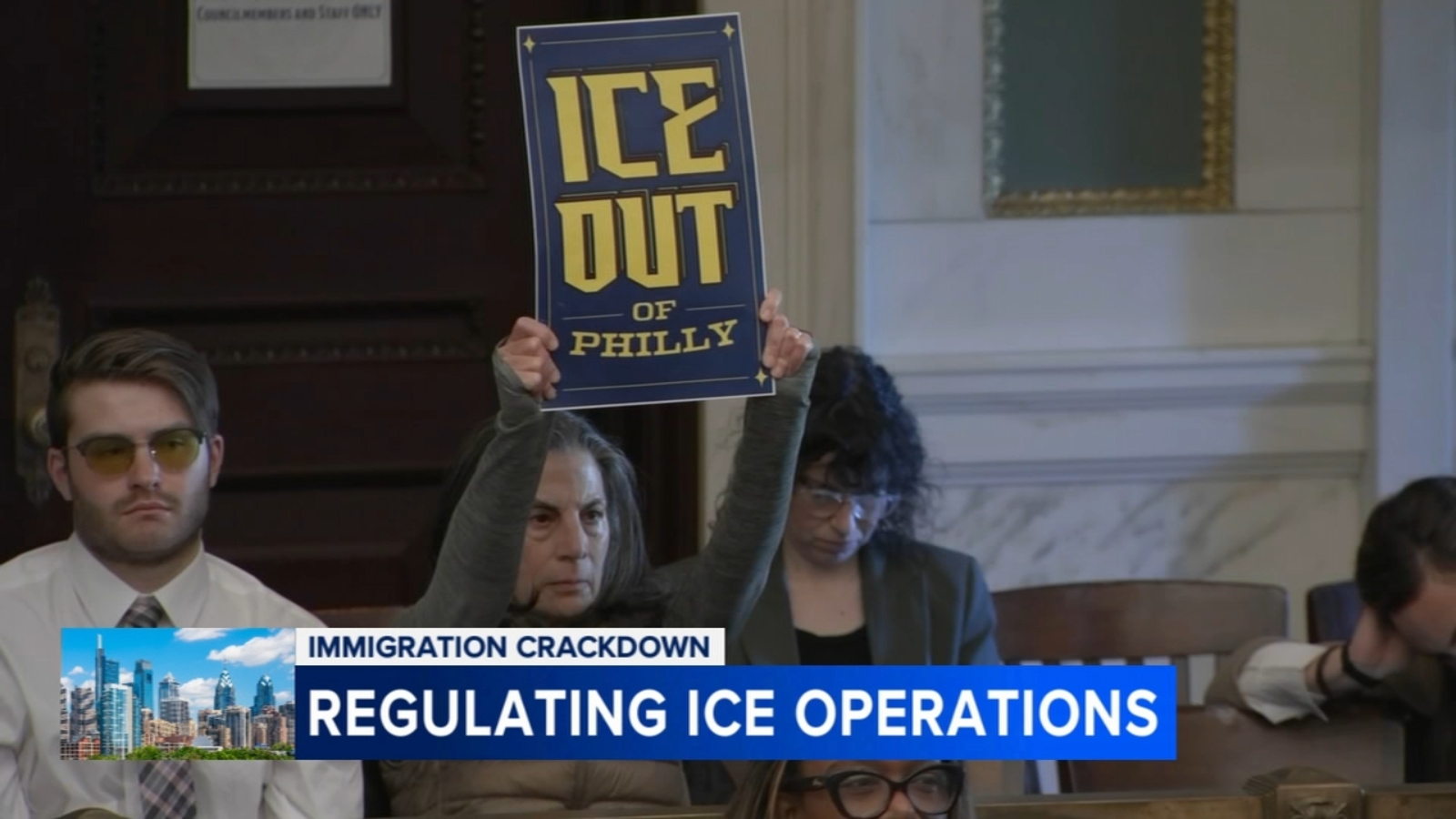
Philadelphia has taken a major step forward with its sweeping ice out legislation, a seven-bill package introduced by City Council members aimed at reshaping how local agencies interact with U.S. Immigration and Customs Enforcement. Council Minority Leader Kendra Brooks and Councilmember At-Large Rue Landau co-sponsored the package, which they describe as the most comprehensive set of ICE-related legislation proposed anywhere in the country. As debates over immigration enforcement intensify nationwide, Philadelphia’s efforts are drawing national attention as a potential blueprint for other municipalities seeking to limit federal collaboration at the local level.
The Push to Strengthen Philadelphia’s Welcoming City Policies
At the heart of this ice out legislation lies a desire to reinforce and expand Philadelphia’s existing Welcoming City ordinances. Councilmember Brooks, representing the Working Families Party, explained that the primary goal is ensuring residents feel safe and protected from what she characterized as federal intimidation tactics.
“Our goal is to make sure folks feel safe in the city and combat the intimidation that we see coming from the federal government,” Brooks stated during the council session.
Council President Kenyatta Johnson echoed this sentiment, emphasizing Philadelphia’s responsibility to lead on the issue. “As a city, we have to lead on this very critically important issue,” Johnson said, adding that the majority of council members support the legislation.
One council speaker captured the localist philosophy driving the effort: “Philly needs to take care of Philly, and that is what we’re doing right now.”
Key Provisions of the Seven-Bill Package
The ice out legislation introduced in Philadelphia addresses several distinct areas of concern. The bills would accomplish the following:
- Prohibit city agencies from collaborating with ICE
- Ban ICE agents from wearing face masks while conducting operations
- Codify an existing executive order that prevents local police from acting as ICE agents
- Bar city employees from granting ICE access to city-owned spaces without a judicial warrant
- Prohibit city agencies from collecting immigration status information
- Prevent agencies from sharing immigration status data with ICE
These provisions reflect a comprehensive approach to limiting ICE cooperation across multiple touchpoints where federal and local authorities might otherwise intersect.
Community Voices Shape the Legislative Process
The legislation was developed in close consultation with immigration advocacy organizations and community groups. Jasmine Rivera, executive director of the Pennsylvania Immigration Coalition, underscored the urgency of these measures by pointing to enforcement activity in the region.
“We’ve seen thousands of our neighbors (who were) taken last year in Philadelphia alone,” Rivera told the council.
Residents who attended the council session also weighed in with strong opinions on both sides. Supporters described the legislation as long overdue, while opponents pushed back against the measures. One defender of ICE drew audible boos from the audience after claiming, “Democrats engineered an illegal invasion of our country.”
The passionate exchange highlighted the deep divisions surrounding immigration enforcement and the emotional stakes for Philadelphia’s diverse communities.
Addressing Recent Incidents and Local Safety Concerns
The timing of the ice out legislation is no coincidence. Council members referenced recent reports of ICE-related violence in Minnesota and the death of a man held in ICE custody in Philadelphia as motivating factors. These incidents amplified concerns about ICE operations and reinforced calls for greater local oversight of federal immigration activities.
Councilmember Landau emphasized that the legislation also aims to establish baseline safety standards for any federal agents operating within city limits. “While we don’t want ICE in Philadelphia, if they’re going to be here, they need to rise to the level of the basic safety practices we’ve already created in Philadelphia,” Landau stated.
Federal Enforcement Strategy Shifts Create New Tensions
The introduction of this ice out legislation coincides with significant changes in federal immigration enforcement strategy. Trump Administration Border Czar Tom Homan recently announced that ICE agents would shift toward a more targeted approach, potentially reducing street-level operations while increasing activity within prisons and detention facilities.
“Give us access to the illegal alien public safety threat in the safety and security of the jail,” Homan stated when describing the new strategy.
However, Philadelphia’s council members argue that even this revised enforcement model would conflict with their proposed legislation. The bills would specifically prevent city employees from granting ICE access to city-owned facilities without a judicial warrant, creating a clear legal barrier regardless of whether operations take place on the streets or in correctional settings.
Broader Implications for Sanctuary City Movements
While other municipalities have introduced similar measures, Brooks and Landau believe Philadelphia’s package stands out for its thoroughness. By addressing everything from data sharing to facility access to the appearance of federal agents, the legislation attempts to close loopholes that have historically allowed ICE cooperation to persist in various forms.
This comprehensive approach could serve as a model for other cities grappling with how to balance federal immigration mandates against local priorities around community trust, public safety, and immigrant integration.
What Comes Next for Philadelphia’s Ice Out Legislation
Despite the strong council support and public attention surrounding the introduction, the ice out legislation still faces procedural hurdles. The bills must be assigned to committee before any votes can be scheduled. Council members described the introduction as merely the first step in a longer legislative journey.
Several factors will influence the legislation’s trajectory:
- Committee review and public hearings , Committee members will examine each bill’s legal implications, fiscal impact, and operational consequences.
- Potential legal challenges , Federal authorities may contest provisions that conflict with immigration enforcement priorities.
- Community engagement , Ongoing input from immigrant communities, law enforcement, and advocacy groups will shape amendments and refinements.
- Political dynamics , Shifts in federal policy or local political coalitions could accelerate or slow the legislative timeline.
Conclusion
Philadelphia’s ice out legislation represents one of the most ambitious local efforts to date to limit cooperation between municipal agencies and federal immigration authorities. By proposing a comprehensive seven-bill package that addresses data sharing, facility access, agent conduct, and police involvement, Councilmembers Brooks and Landau have positioned Philadelphia at the forefront of a national conversation about the boundaries of local control over immigration enforcement. While the bills still face committee review and potential legal challenges, the introduction alone signals a clear commitment from city leaders to prioritize community safety, immigrant rights, and local autonomy. As debates over federal immigration policy continue to evolve, Philadelphia’s approach may well influence how other cities navigate the complex intersection of local governance and federal enforcement mandates.