
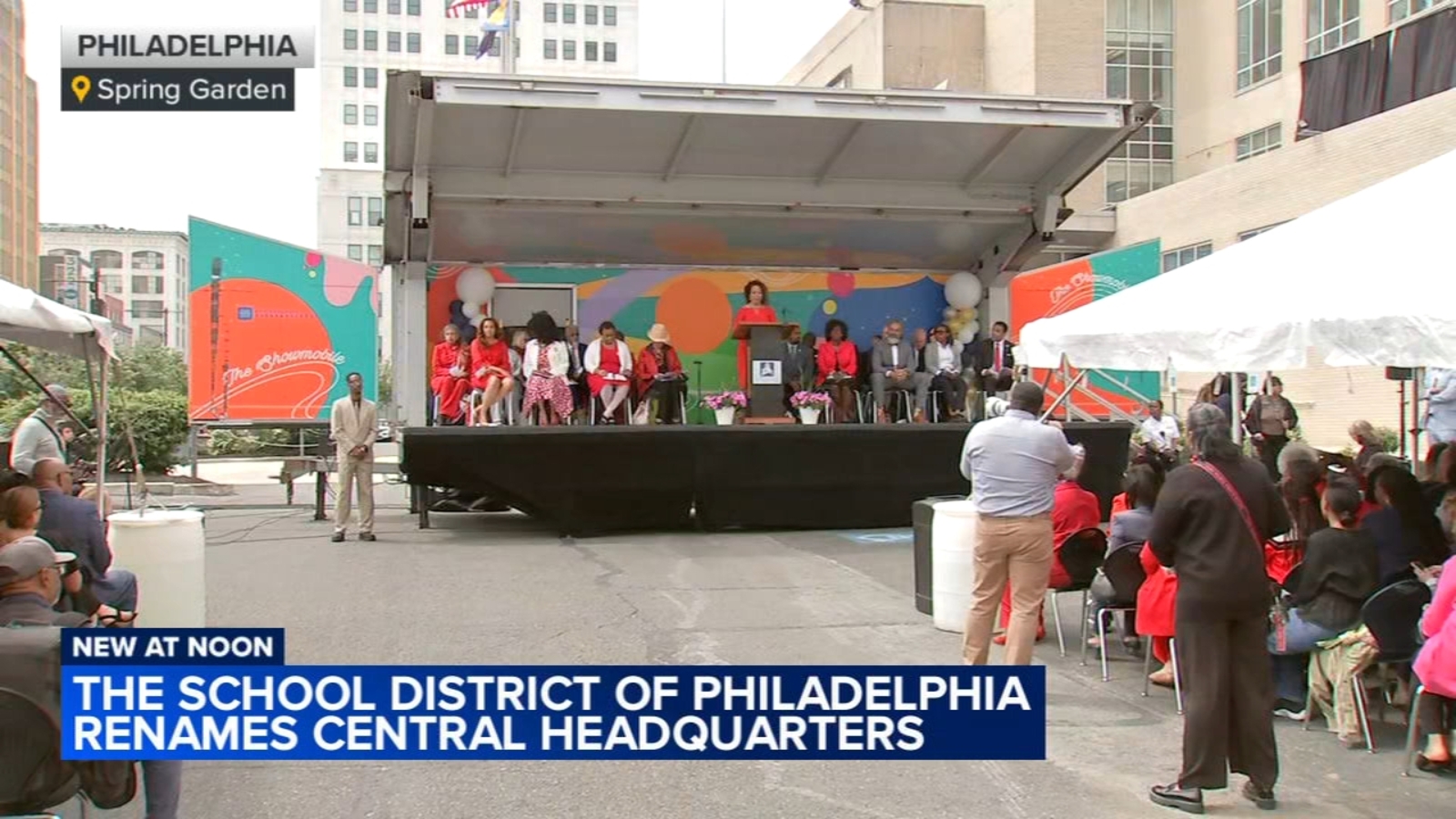
A historic moment unfolded on North Broad Street as the School District of Philadelphia officially renamed its headquarters to the Dr. Constance E. Clayton Education Center. The ceremony, held in the Spring Garden section of the city, brought together district officials, students, and community members to honor one of the most influential figures in Philadelphia’s educational history. The building now stands as a lasting tribute to a trailblazer who shattered barriers and redefined what it meant to lead a major urban school district.
A Landmark Moment for Philadelphia Education
The decision to dedicate the district’s headquarters in honor of Dr. Constance E. Clayton represents far more than a simple name change. It is a powerful acknowledgment of her enduring contributions to public education in Philadelphia and a statement about the values the district wishes to uphold moving forward. Located prominently on North Broad Street, the building serves as the operational heart of the school system, making the Dr. Constance E. Clayton Education Center a daily reminder of the high standards and unwavering commitment she brought to the role.
Officials gathered on a Wednesday for the formal dedication ceremony, which included remarks from district leadership and a special student performance designed to celebrate the occasion. The atmosphere blended solemnity with celebration, as those in attendance reflected on how far Philadelphia’s schools have come and the leaders who paved the way.
Who Was Dr. Constance E. Clayton?
To understand the weight of this honor, one must look at the remarkable career of Dr. Constance E. Clayton herself. She holds the distinction of being the School District of Philadelphia’s first African American female superintendent, a milestone that reverberated throughout the city’s educational landscape at the time of her appointment. Stepping into a role traditionally held by individuals who did not share her background, Dr. Clayton brought with her a unique perspective that would shape policy, culture, and community engagement for years to come.
A No-Nonsense Leadership Style
Colleagues and educators who worked alongside Dr. Clayton consistently describe her approach as unmistakably direct and purposeful. Her “no-nonsense” style earned her a reputation as a leader who did not shy away from difficult decisions or hard conversations. In a district serving hundreds of thousands of students, this kind of decisive leadership was essential. She expected excellence from staff, advocated fiercely for resources, and held firm in her belief that every child in Philadelphia deserved access to a quality education.
A Champion for Students
Beyond her administrative accomplishments, Dr. Clayton became widely known for her fierce advocacy on behalf of students. Whether pushing for equitable funding, improved curriculum standards, or expanded extracurricular opportunities, she positioned the needs of young learners at the center of every major decision. Her legacy is one of putting students first, even when doing so required navigating political pressure, budget constraints, and institutional resistance.
The Significance of Naming a Building
Naming a headquarters is not a routine gesture. When a school district chooses to attach a name to its most visible and symbolically important building, it sends a clear message about identity, values, and aspiration. The Dr. Constance E. Clayton Education Center now carries that responsibility every day.
A Symbol for Future Generations
For students walking through the doors of the renamed building, the name on the facade offers more than historical information. It represents possibility. Young girls of color who visit the building for meetings, programs, or district events now see tangible evidence that someone who looks like them once held the highest educational leadership position in the city. That kind of representation matters, particularly in a field where African American women have historically been underrepresented in top administrative roles.
Honoring Philadelphia’s Educational Heritage
Philadelphia has a rich and complex history when it comes to public education. The city has been both a pioneer and a battleground for school reform, integration, and equity. By naming its headquarters after Dr. Clayton, the district places her firmly within that broader story and signals that her contributions will not be forgotten as the system continues to evolve.
The Dedication Ceremony in Spring Garden
The Spring Garden neighborhood, where the district headquarters has long stood, provided a fitting backdrop for the dedication ceremony. Community members, educators, and students gathered to witness the official unveiling and to participate in a celebration that highlighted both the past and the future of Philadelphia’s schools.
A standout feature of the event was the inclusion of a student performance, which served as a meaningful bridge between honoring the past and investing in the next generation. There is perhaps no better way to celebrate a leader who devoted her career to young people than by giving those very students a platform during the moment of recognition. The performance reminded everyone in attendance that the work Dr. Clayton championed remains ongoing and that today’s students are the direct beneficiaries of her decades of service.
What This Means for the School District of Philadelphia
The renaming comes at a time when urban school districts across the country are grappling with questions about leadership, equity, and reform. By choosing to honor Dr. Constance E. Clayton in such a permanent and visible way, the School District of Philadelphia is making a public commitment to the principles she embodied.
A Continuation of Advocacy
District leaders who spoke at the ceremony emphasized that the dedication is not merely a ceremonial gesture but a call to action. The challenges facing Philadelphia’s students today, including learning recovery, mental health support, and equitable resource distribution, echo many of the same concerns Dr. Clayton addressed during her tenure. Her name on the building serves as a daily reminder that meeting those challenges requires the same kind of bold, student-centered leadership she modeled.
Community Pride and Recognition
For the broader Philadelphia community, particularly African American residents and women in education, the Dr. Constance E. Clayton Education Center represents long-overdue recognition. Her impact extended beyond administrative offices and into the lives of countless families who benefited from her policies and decisions. The renaming allows the city to collectively express gratitude for a career that helped shape modern Philadelphia education.
Reflections on a Lasting Legacy
Few leaders in any field achieve the kind of legacy that warrants the naming of an institutional headquarters. Dr. Constance E. Clayton’s career reflects decades of dedication, resilience, and vision. As the first African American female superintendent of the School District of Philadelphia, she broke through barriers that had previously seemed immovable, and she did so while maintaining an unwavering focus on what mattered most: the students.
The decision to rename the district headquarters ensures that her story remains woven into the daily operations of Philadelphia’s schools. Every meeting held in the building, every policy decision made within its walls, and every visitor who passes through its doors will encounter the name of a leader whose example continues to inspire.
Conclusion
The dedication of the Dr. Constance E. Clayton Education Center marks a proud and significant chapter in the history of the School District of Philadelphia. By honoring the district’s first African American female superintendent with such a prominent tribute, officials have created a permanent symbol of educational excellence, advocacy, and barrier-breaking leadership. The ceremony in Spring Garden, complete with student performances and reflections from community leaders, captured both the weight of the moment and the hope it represents for the future. As Philadelphia’s schools continue their mission of serving hundreds of thousands of students, they now do so under a name that reminds everyone of the extraordinary leader who once guided them and the standard she set for generations to come.