
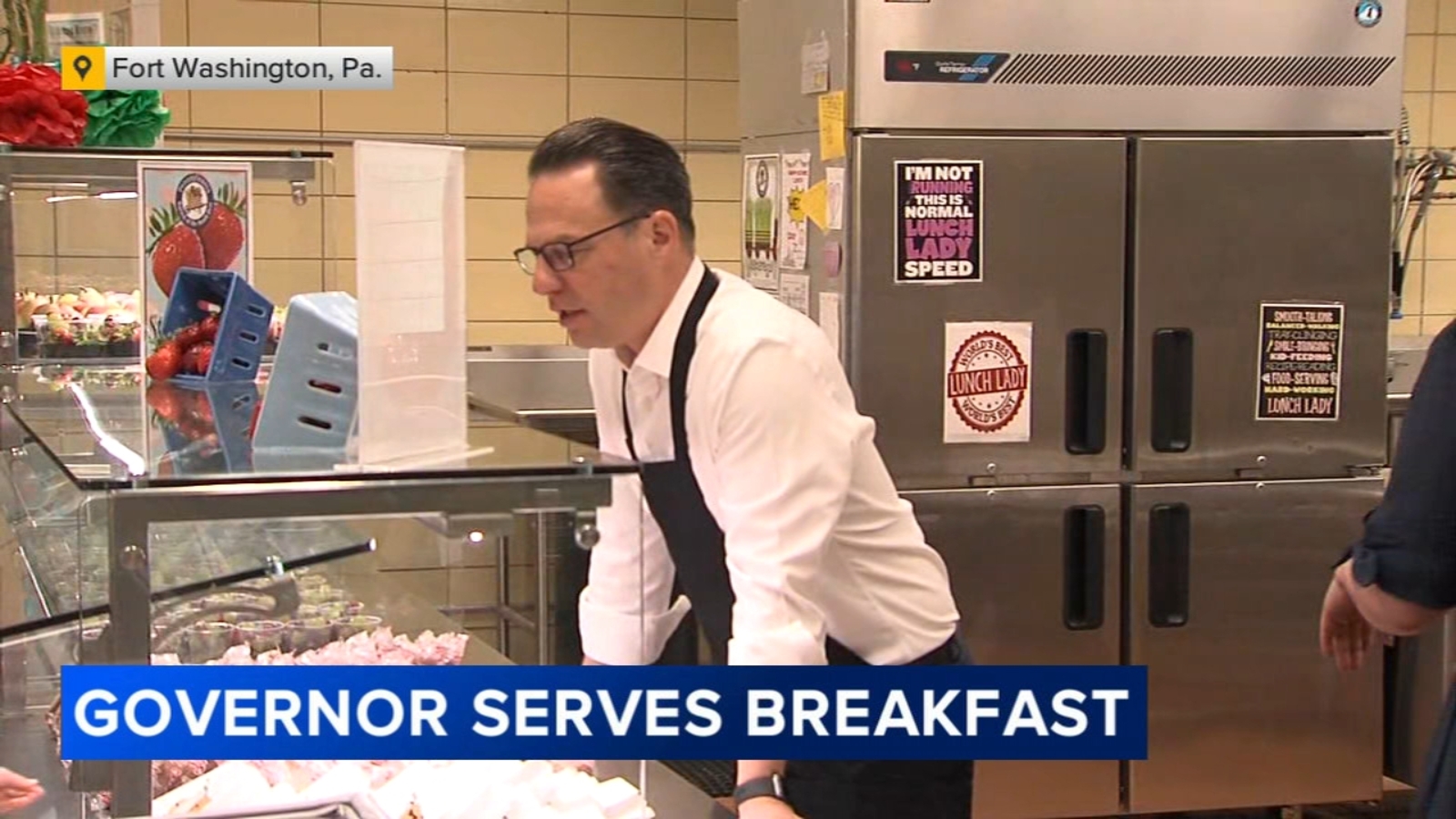
Pennsylvania has taken a remarkable step forward in addressing childhood hunger with its universal free breakfast program, a groundbreaking initiative that provides free morning meals to all 1.7 million students across the Commonwealth. Regardless of family income, every child in Pennsylvania’s public schools can now start their day with a nutritious breakfast. Governor Josh Shapiro has championed this program, recently visiting Fort Washington Elementary School in Montgomery County to serve meals alongside students and reinforce his administration’s commitment to ensuring no child goes hungry. As funding for this initiative remains part of the governor’s budget proposal, Pennsylvania continues to lead the way in school nutrition and educational equity.
What Is Pennsylvania’s Universal Free Breakfast Program?
The universal free breakfast program in Pennsylvania represents one of the most ambitious school nutrition initiatives in the United States. Unlike traditional free or reduced-price meal programs that require families to meet specific income thresholds, this program eliminates paperwork, stigma, and barriers entirely. Every student enrolled in a participating school automatically receives a complimentary breakfast each morning, creating an inclusive environment where all children have equal access to the nutrition they need to learn and thrive.
This approach shifts the paradigm from a means-tested system to a universal service model. The philosophy behind universal school meals is straightforward: hungry children cannot learn effectively. By removing the financial and administrative hurdles that often prevent eligible families from enrolling in traditional breakfast programs, Pennsylvania has dramatically expanded the reach of its free school breakfast Pennsylvania initiative.
How the Program Operates Statewide
The mechanics of the program are designed to be simple and seamless for schools, students, and families. Schools receive state funding to cover the cost of breakfast for every student, regardless of whether the family qualifies for free or reduced-price lunch under federal guidelines. This means administrators don’t need to verify individual income documentation, and cafeteria staff can focus on preparing and serving quality meals rather than processing paperwork.
Across Pennsylvania’s 500 school districts, the program has transformed morning routines. From rural communities in central Pennsylvania to urban centers like Philadelphia and Pittsburgh, students now have access to nutritious options including whole grains, fresh fruits, proteins, and dairy products. The variety and quality of meals have evolved significantly since the program’s inception, with many schools offering items like breakfast wraps, yogurt parfaits, and hot entrées alongside traditional options.
The Governor’s Visit and Public Commitment
Governor Josh Shapiro’s recent visit to Fort Washington Elementary School highlighted the personal investment he has placed in this program. Walking through the cafeteria line and handing out breakfast to students, Shapiro demonstrated that this isn’t merely a line item in a budget,it’s a priority that affects real children in real communities every single day.
During his visit, the Governor emphasized that childhood nutrition programs like universal free breakfast are essential investments in Pennsylvania’s future. When children are well-fed, they attend school more regularly, concentrate better in class, and perform stronger academically. The ripple effects extend beyond individual classrooms, influencing family stability, community health, and long-term economic prosperity.
Why Statewide Leadership Matters
Having a governor personally serve meals sends a powerful message about the value of school meal programs. It transforms an abstract policy into a tangible, human experience. For the students at Fort Washington Elementary, seeing their Governor in the cafeteria created a memorable moment, but more importantly, it reinforced that adults at the highest levels of government care about their wellbeing and their education.
This kind of visible leadership also helps build public support for continued funding. When parents, educators, and community members see elected officials prioritizing nutrition programs, it becomes easier to advocate for sustained investment in free breakfast for students and complementary initiatives.
Why Universal Free Breakfast Programs Matter
Research consistently demonstrates that children who eat breakfast perform better academically, exhibit fewer behavioral problems, and have improved overall health outcomes. Student food insecurity remains a persistent challenge across America, with millions of children arriving at school without adequate nutrition. The traditional means-tested approach to school meals, while helpful, misses many children whose families may be just above income thresholds, whose parents are hesitant to apply due to stigma, or whose circumstances change throughout the year.
Universal programs solve these problems elegantly. By offering breakfast to every student, schools eliminate the visibility of who receives free meals and who doesn’t. Every child lines up, every child gets food, and no child feels singled out. This universal free meals approach has been shown to increase participation rates dramatically, often doubling or even tripling the number of students who eat breakfast at school compared to traditional programs.
The Academic and Health Connection
The link between nutrition and learning is well-documented. Children who skip breakfast are more likely to experience:
- Reduced attention span and concentration
- Lower test scores and academic performance
- Increased behavioral issues and disciplinary problems
- Higher rates of absenteeism and tardiness
- Greater risk of chronic health conditions
By providing public school nutrition support every morning, Pennsylvania’s program addresses these challenges at their foundation. A hungry child cannot focus on algebra, history, or reading comprehension. Universal breakfast removes that obstacle, giving every student an equitable chance to succeed.
Economic Benefits for Families
Beyond the direct nutritional impact, the program provides meaningful economic relief for Pennsylvania families. With breakfast costs ranging from $2 to $5 per meal at restaurants and even grocery store breakfast items adding up quickly, families with multiple children can save hundreds or even thousands of dollars annually. This frees up household resources for other essentials like rent, utilities, and educational supplies.
For working parents in particular, knowing that their children receive a quality breakfast at school simplifies morning routines and reduces financial stress. The program effectively functions as a form of economic support that benefits families across all income levels.
The Impact on Pennsylvania Communities
Pennsylvania’s child hunger initiatives extend benefits far beyond individual students. Local economies receive boosts from the food purchases schools make, often sourcing from regional farms and producers when possible. Agricultural partnerships strengthen, supply chains expand, and community relationships deepen as schools become central nutrition hubs.
Additionally, the program has helped reduce the stigma sometimes associated with receiving free meals. In schools that previously had visible distinctions between paying students and those receiving subsidized meals, the universal approach creates a more equitable, inclusive environment. Every student is treated the same at breakfast, fostering a sense of community and shared experience.
Reaching the Most Students
With 1.7 million students now eligible for free breakfast, Pennsylvania’s program reaches a remarkable scale. This represents one of the largest universal free breakfast programs in the country. The geographic diversity of participants,from suburban school districts like the one Governor Shapiro visited in Montgomery County to urban districts and rural communities,demonstrates that hunger and food insecurity affect children across every type of community.
By implementing the program universally rather than targeting only low-income areas, Pennsylvania has ensured that children in middle-income families who might be struggling silently also receive support. Many families experience temporary financial hardship due to job loss, medical emergencies, or other circumstances, and universal programs catch these children who might otherwise fall through the cracks.
Looking Ahead: Budget and Future Funding
The sustainability of Pennsylvania’s universal free breakfast program depends on continued legislative support and funding. Governor Shapiro has once again included funding for the program in his budget proposal, signaling his commitment to maintaining this critical investment. State legislators will need to approve the funding, making this an ongoing conversation about priorities and values.
Advocates for Pennsylvania education funding argue that universal breakfast is one of the most cost-effective interventions available. The relatively modest per-student cost is dwarfed by the long-term benefits of better educational outcomes, improved health, and reduced social service needs. When children succeed in school, they become more productive adults, pay more taxes, and require fewer public supports,a strong return on investment for taxpayers.
Building on Success
As the program matures, opportunities exist to expand and improve. Potential enhancements could include:
- Increased use of fresh, locally-sourced ingredients
- Expanded meal options to accommodate diverse dietary needs and preferences
- Integration with nutrition education curricula
- Partnerships with local farms and agricultural programs
- Summer meal programs that extend nutrition support beyond the school year
These enhancements would build on the program’s strong foundation while continuing to evolve to meet students’ needs. The universal free breakfast program has proven its value, and continued investment can help it reach even more students with even greater impact.
Conclusion
Pennsylvania’s universal free breakfast program stands as a powerful example of how state-level policy can transform children’s lives. By serving 1.7 million students regardless of income, the program removes barriers, reduces stigma, and ensures that every child has the nutrition needed to learn and succeed. Governor Josh Shapiro’s hands-on approach,serving meals at Fort Washington Elementary School,reflects a leadership philosophy that values both symbolic and substantive action.
As funding for the program remains part of the governor’s budget proposal, the future of universal free breakfast in Pennsylvania looks promising. The initiative has already demonstrated significant benefits for students, families, schools, and communities. By prioritizing childhood nutrition programs and recognizing that feeding children is fundamental to educating them, Pennsylvania has positioned itself as a national leader in addressing student hunger. The universal free breakfast program isn’t just a meal service,it’s an investment in equity, opportunity, and the wellbeing of an entire generation of Pennsylvanians.