
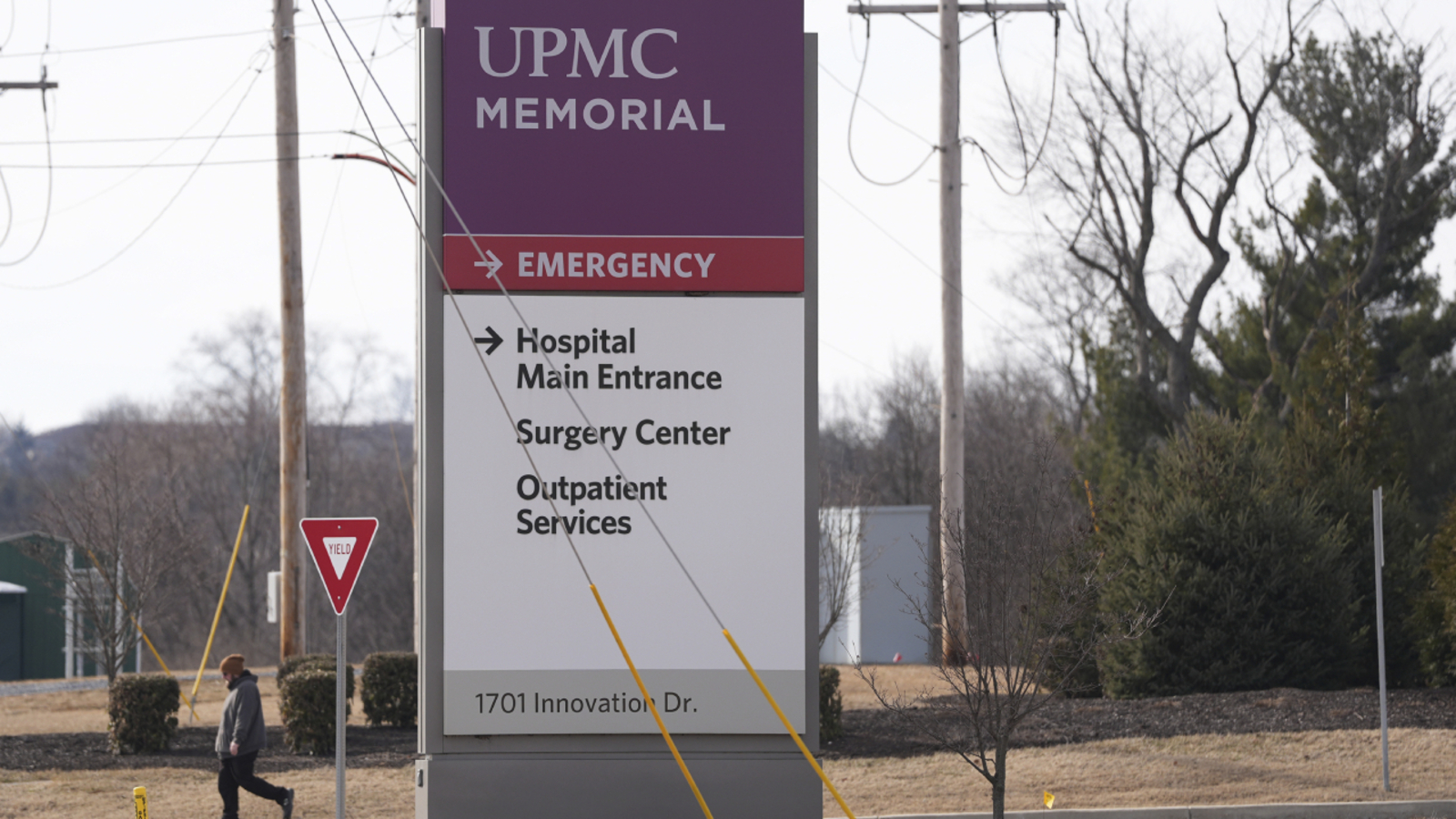
The quiet community of West Manchester Township in York County, Pennsylvania, was shattered on Saturday morning when a violent Pennsylvania hospital shooting unfolded at UPMC Memorial. What began as a routine day at the medical facility quickly turned into a chaotic hostage situation, leaving one police officer dead and at least five others injured. The incident has raised urgent questions about hospital security, mental health support for grieving families, and the bravery of first responders who risked everything to protect innocent lives.
The Suspect and His Motive
Authorities have identified the gunman as Diogenes Archangel Ortiz, who arrived at UPMC Memorial around 10:30 a.m. armed with a semi-automatic handgun and a handful of zip ties. His entry was deliberate and calculated. Ortiz made his way directly to the Intensive Care Unit (ICU), where he took multiple hospital staff members hostage.
Investigators revealed that Ortiz may have been driven by deep anguish over the medical care provided to a terminally ill relative. According to a senior law enforcement official who spoke with ABC News, the suspect struggled to accept that his family member was dying and harbored intense resentment over what he perceived as inadequate treatment. That family member reportedly passed away within the past week, adding a layer of heartbreaking grief to an already incomprehensible act of violence.
The motive underscores a recurring and painful theme in hospital shootings across America: the intersection of personal loss, emotional devastation, and inadequate access to mental health resources during moments of crisis.
The Hostage Situation Escalates
Once Ortiz secured his hostages in the ICU, law enforcement from multiple agencies mobilized immediately. Officers from the West York Borough Police Department, Pennsylvania State Police, and the York County Quick Response Team converged on the scene, working to establish a perimeter and begin negotiations.
For tense moments, the standoff hung in the balance. Negotiators attempted to engage with Ortiz, hoping to resolve the situation peacefully. However, the confrontation took a devastating turn when the suspect emerged from the ICU, holding a hospital staff member at gunpoint. The victim’s hands were bound with zip ties, leaving her completely vulnerable.
York County District Attorney Tim Barker later addressed the media, explaining the agonizing decision that followed. “The officers were left with no recourse,” Barker stated. “They opened fire, killing Ortiz and preventing further loss of life.”
After reviewing surveillance footage and interviewing witnesses, authorities determined that the use of deadly force by officers was not only justified but absolutely necessary. Barker emphasized that without their swift and decisive action, the body count could have been far worse.
The Heroes Who Responded
Among the wounded was West York Borough police officer Andrew Duarte, who tragically lost his life in the line of duty. Duarte was fatally shot during the exchange with Ortiz, leaving behind a grieving department and community. The West York Borough Police Department confirmed his death, and District Attorney Barker called his sacrifice a “huge loss to our community.”
Two additional police officers sustained gunshot wounds during the incident and were transported to a hospital, where they remain in stable condition. Their injuries serve as a stark reminder of the dangers that law enforcement officers face every single day, particularly in unpredictable environments like active shooter situations in healthcare settings.
Ortiz also shot a hospital doctor, a nurse, and a custodian before he was stopped by officers. All three hospital workers are reported to be in stable condition, a testament to both their resilience and the rapid medical response they received.
No Patients Harmed
One of the most remarkable aspects of this Pennsylvania hospital shooting is that no patients at UPMC Memorial were injured during the ordeal. Given the chaotic nature of the event, with gunfire echoing through the ICU and staff members held at gunpoint, this outcome is nothing short of miraculous.
UPMC released a statement confirming that all patients within the facility remained safe throughout the incident. Hospital staff followed established emergency protocols, which likely played a critical role in protecting vulnerable individuals under their care.
Community Response and Mourning
The shooting has sent shockwaves through York County and the broader Pennsylvania community. Vigils and memorials are being organized to honor Officer Andrew Duarte, whose name has quickly become synonymous with courage and self-sacrifice. Fellow officers, local leaders, and citizens have flooded social media with tributes, recognizing that Duarte gave his life so that others might live.
Local officials have pledged a thorough investigation into the circumstances surrounding the shooting, with particular focus on understanding how Ortiz was able to enter the facility armed and how the situation escalated so rapidly. Questions about hospital security measures, metal detection protocols, and emergency response procedures are already being raised by both the public and policymakers.
The Growing Concern of Violence in Healthcare Settings
This tragic incident is part of a troubling pattern of gun violence in healthcare facilities across the United States. Hospitals, by their very nature, are places of healing and vulnerability. Patients are often at their most fragile, and staff are focused on providing care rather than defending against armed attacks.
Experts in healthcare security have long warned that hospitals represent soft targets for individuals experiencing extreme emotional distress. The combination of round-the-clock public access, high-stress environments, and emotionally charged situations creates conditions where violence can erupt with little warning.
In response to this shooting and similar incidents across the country, healthcare administrators are increasingly investing in:
- Enhanced security infrastructure, including metal detectors and surveillance systems
- Active shooter training programs for medical staff
- Improved coordination with local law enforcement
- Mental health support services for families dealing with terminal illness and grief
Mental Health and Grief: A Preventable Tragedy?
Perhaps the most heartbreaking element of this story is the underlying cause. Ortiz’s actions appear to have been fueled by grief, denial, and an inability to cope with the impending loss of a loved one. His perception that his family member received inadequate care suggests a breakdown in communication between medical providers and the family, as well as a possible lack of accessible mental health resources during the dying process.
Hospitals and hospices across the nation are increasingly recognizing the importance of providing bereavement support and psychological counseling to families navigating end-of-life decisions. When such support is absent or insufficient, the emotional burden can become unbearable, sometimes leading to devastating consequences.
This tragedy highlights the urgent need for expanded mental health services, particularly for individuals dealing with anticipatory grief and feelings of helplessness when a loved one is terminally ill.
Looking Ahead
As the York County community begins the long process of healing, the memory of Officer Andrew Duarte will remain at the forefront. His bravery, alongside that of his fellow officers who risked their lives to end the threat, will not be forgotten. The injured hospital workers and law enforcement personnel are on the path to recovery, and the broader community is rallying together in support.
Investigations into the Pennsylvania hospital shooting are ongoing, and authorities are expected to release additional details in the coming days and weeks. Lawmakers and healthcare leaders will undoubtedly use this tragedy as a catalyst for conversations about improving safety protocols in medical facilities nationwide.
Ultimately, this event serves as a somber reminder that violence can strike anywhere, even in places dedicated to saving lives. It underscores the importance of vigilance, compassion, and comprehensive support systems for those experiencing profound emotional pain. By addressing the root causes of such tragedies, communities can hope to prevent future incidents and honor the memory of those lost.