
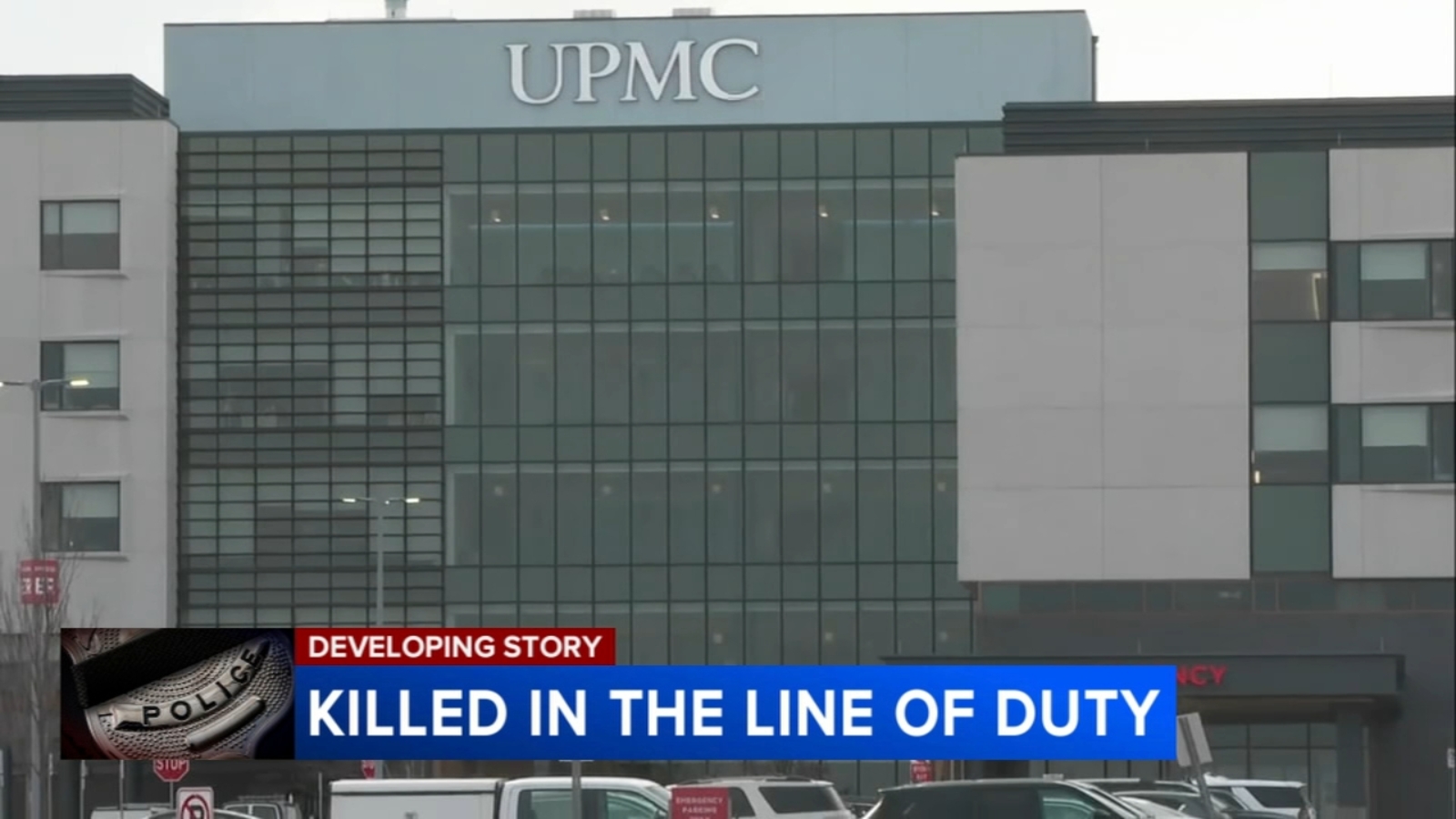
A devastating hospital shooting unfolded on Saturday morning at UPMC Memorial Hospital in West Manchester Township, York County, Pennsylvania, leaving one police officer dead and five others injured. The incident, which began around 10:30 a.m., has shaken the local community and raised urgent questions about safety in healthcare facilities across the nation.
Officer Andrew Duarte of the West York Police Department was killed in the line of duty while responding to the active shooter situation. Five additional individuals, including medical staff and fellow officers, sustained injuries and were transported to area hospitals in stable condition.
The Suspect and His Actions
York County District Attorney Timothy Barker identified the gunman as 49-year-old Diogenes Archangel-Ortiz. According to investigators, the suspect arrived at the hospital armed with a handgun and zip ties, making his way directly to the intensive care unit (ICU). Once inside the ICU, he took members of the UPMC staff hostage, creating a tense and terrifying situation for everyone in the facility.
Investigators believe the suspect deliberately targeted the ICU because he had been a patient there earlier in the week, visiting with another person. This prior connection to the unit raised questions about what may have motivated him to return with violent intentions, though officials have not yet released a definitive motive for the attack.
Escalation and Police Response
As the hostage situation developed inside the hospital, law enforcement officers from multiple departments rushed to the scene. The situation came to a critical head when the armed suspect emerged from the ICU with a staff member whom he had restrained, her hands bound and a weapon pointed at her.
District Attorney Barker described the final confrontation in chilling detail: “Holding her at gunpoint, coming out into the hallway, the officers left with no recourse, and did open fire and did shoot and kill Ortiz.” The responding officers were forced into an impossible situation, with the life of a hostage hanging in the balance.
During the intense shootout, Officer Duarte was fatally wounded. Two additional officers were also struck by gunfire and hospitalized, though they remain in stable condition. The suspect, Archangel-Ortiz, was killed at the scene.
Victims of the Attack
Beyond the tragic loss of Officer Duarte, the hospital shooting left several other victims in its wake. A doctor, a nurse, and a custodian were all shot by the suspect before police engaged him. All three healthcare workers survived and are currently in stable condition, thanks in part to the swift response of their colleagues and law enforcement.
Officer Duarte had joined the West York Police Department in 2022, bringing with him five years of prior experience with the Denver Police Department. His LinkedIn profile reflected a committed law enforcement professional who dedicated his career to public service. Tributes have poured in from across the region, honoring his sacrifice.
Official Statements and Community Response
District Attorney Barker praised the actions of the responding officers, stating emphatically: “After reviewing surveillance footage and witness statements, it is absolutely clear and beyond any doubt that the officers acted lawfully in using deadly force.” This statement aimed to provide transparency and reassurance to a community grappling with the violence that occurred in what should be a place of healing.
Pennsylvania Governor Josh Shapiro visited the scene and recognized the bravery displayed by both healthcare workers and law enforcement personnel. “The act of extraordinary bravery and courage by the healthcare workers here, by the law enforcement professionals, state and local and here at the hospital level, who ran toward danger to keep people safe , because of their work, lives were saved today,” Shapiro remarked during his address.
The West York Borough community has been left mourning the loss of a hero. District Attorney Barker captured the collective grief in his public statement: “Please pray for everyone and especially pray for the family and loved ones of Officer Andrew Duarte. May he rest in peace. Job well done. Life well served.”
Examining Hospital Safety and Active Shooter Preparedness
This tragic incident highlights ongoing concerns about hospital safety and the vulnerability of healthcare facilities to active shooter events. Hospitals, by their very nature, are open environments where access must be balanced with security considerations. Patients, visitors, and staff move freely through these spaces, creating challenges for security personnel attempting to monitor for potential threats.
The fact that the suspect was able to access the ICU with weapons and restraints raises serious questions about security protocols, metal detection measures, and visitor screening procedures. Many hospitals across the country have invested in enhanced security measures in recent years, including armed security officers, surveillance systems, panic buttons, and lockdown procedures, yet incidents like this demonstrate that gaps still exist.
Healthcare workers often face unique dangers during active shooter situations. Their commitment to patient care means they are trained to remain with vulnerable patients rather than flee, putting themselves at greater risk. The bravery displayed by the medical staff at UPMC Memorial, who continued caring for patients even as the situation unfolded around them, exemplifies the extraordinary dedication of healthcare professionals.
The Broader Context of Gun Violence in Healthcare Settings
Unfortunately, gun violence in healthcare facilities is not a new phenomenon. Hospitals and medical centers across the United States have experienced shootings driven by various motives, including personal grievances, mental health crises, domestic disputes spilling into the workplace, and targeted attacks on specific individuals.
Studies have shown that healthcare workers experience workplace violence at significantly higher rates than workers in most other industries. The Bureau of Labor Statistics has consistently identified healthcare as one of the most dangerous sectors for workplace violence, with hospital employees facing risks from patients, visitors, and, as this incident tragically demonstrates, intentional mass-casualty attacks.
The law enforcement response in this case appears to have followed established active shooter protocols, with officers moving quickly to confront the threat and neutralize the danger. This rapid response likely prevented additional casualties, particularly given the hostage situation that developed in the ICU.
Looking Ahead: Investigation and Healing
As the investigation continues, authorities are working to understand what drove Archangel-Ortiz to commit this violent act. The absence of a publicly stated motive leaves many questions unanswered. Investigators will likely focus on the suspect’s recent medical history at UPMC Memorial, his personal background, and any potential connections to the individuals he targeted during his visit earlier in the week.
Meanwhile, the West York community and the broader York County region are left to process the trauma of this event. The loss of Officer Duarte represents a profound sacrifice that will be felt by his family, colleagues, and the entire community for years to come. Memorial services and honor guard tributes are expected in the coming days as the community comes together to mourn.
For the survivors of the shooting, including the injured healthcare workers and officers, the path to recovery will involve both physical healing and psychological support. Witnessing or experiencing such violence in a workplace setting can have lasting effects on mental health, and trauma counseling services will be essential for everyone affected.
Conclusion
The Pennsylvania hospital shooting at UPMC Memorial stands as a sobering reminder of the unpredictable nature of violence and the courage required to confront it. Officer Andrew Duarte made the ultimate sacrifice while protecting his community, and the injured healthcare workers and officers represent the best of those who run toward danger when others flee. As investigations continue and the community grieves, this tragedy underscores the critical importance of robust hospital security measures, comprehensive active shooter training, and ongoing support for the healthcare workers and law enforcement officers who put their lives on the line every day to keep others safe. The memories of those affected and the lessons learned from this incident will shape how Pennsylvania and the nation approach healthcare facility security in the years to come.