
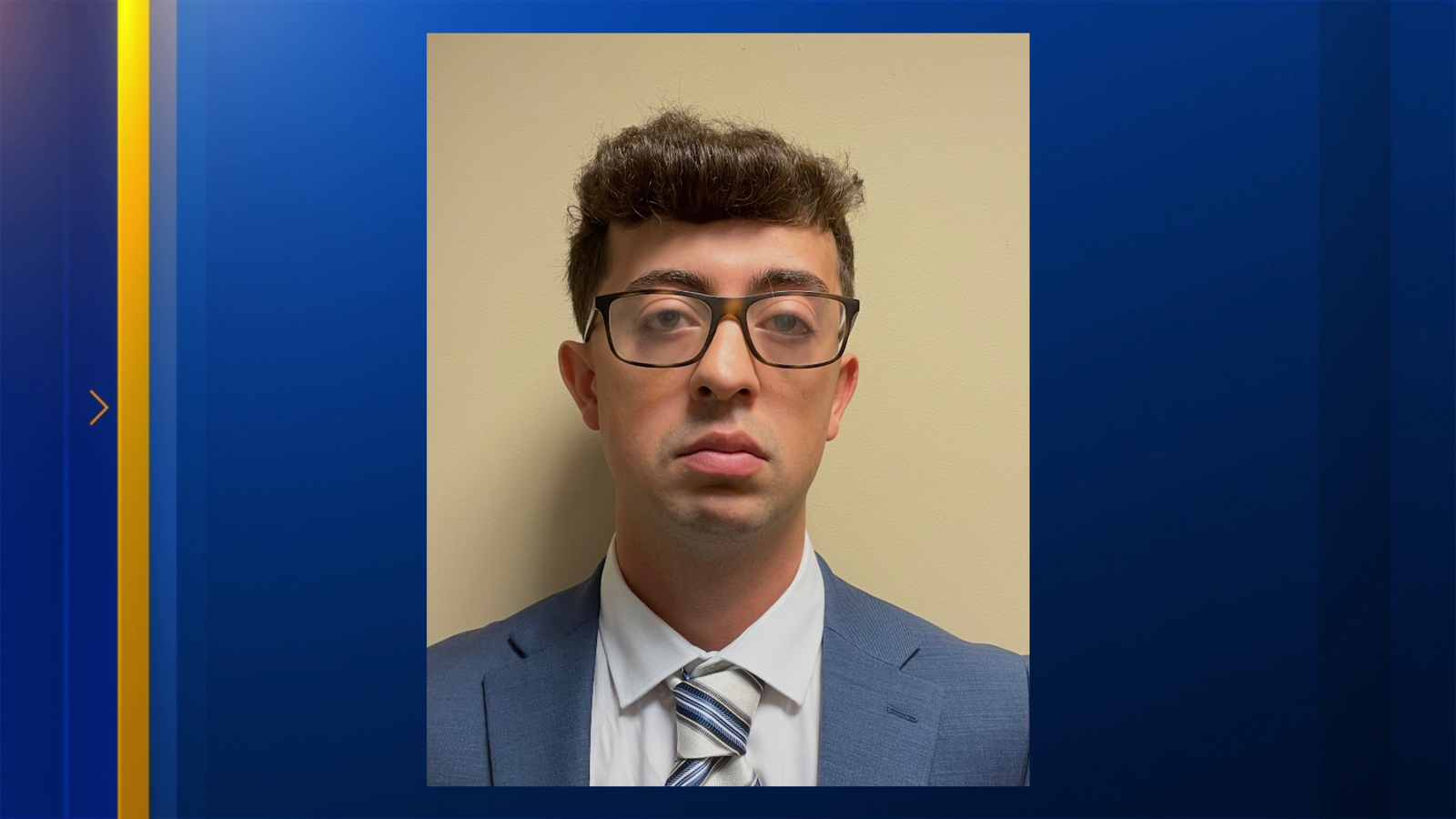
One of the central figures in the Penn State cocaine trafficking investigation has made a bold legal move, requesting release from detention while awaiting trial. Agostino Abbatiello, 24, a former fraternity brother at the center of a sprawling drug distribution network allegedly tied to Penn State University, has filed an emergency motion seeking release on his own recognizance, citing what his attorney describes as an unfair disparity in how co-defendants have been treated by the courts.
Abbatiello has been held without bail since his arrest in August, and his legal team argues that another alleged ringleader, Thomas Robinson, received far more favorable treatment despite facing additional serious allegations. The case has captured significant attention across Pennsylvania and beyond, raising questions about the scale of the operation, the involvement of Greek life organizations, and the broader consequences for those charged.
Background of the Penn State Cocaine Trafficking Case
The investigation into the Penn State cocaine trafficking ring has unfolded over several months, ultimately leading to charges against more than a dozen individuals. Prosecutors from the Pennsylvania Attorney General’s office have alleged that a sophisticated criminal organization operated out of State College, with ties extending to two fraternities on the Penn State campus.
Investigators claim that Abbatiello and Robinson served as the primary suppliers for the entire operation. According to authorities, the pair made regular trips to Philadelphia and New York to obtain large quantities of cocaine, which was then allegedly transported back to central Pennsylvania for distribution. The drugs were reportedly cut, packaged, and prepared for sale primarily at the Delta Upsilon and Sigma Chi fraternity houses, where the operation allegedly had deep roots.
The distribution network allegedly targeted Penn State University students as its primary customer base, supplying significant quantities of cocaine throughout the campus community. Law enforcement officials have described the operation as organized, sustained, and deeply embedded within the local Greek life scene.
Charges Filed Against Co-Conspirators
More than fourteen individuals have been charged in connection with the alleged cocaine trafficking ring, including current Penn State students, former students, a parent, and members of the implicated fraternities. The charges range from possession with intent to deliver to criminal conspiracy, with some defendants facing additional weapons-related offenses.
The case represents one of the larger drug enforcement actions involving student organizations in recent memory. Prosecutors have signaled their intent to pursue the matter aggressively, citing the alleged scale of the operation and the potential danger posed to the broader campus community.
Abbatiello’s Emergency Motion for Release
Abbatiello’s attorney filed an emergency motion on Tuesday, arguing that his client’s continued detention without bail constitutes an injustice. The legal filing specifically points to the contrasting treatment received by Robinson, who was granted monetary bail despite facing arguably more severe allegations.
According to the motion, Robinson was released on $150,000 monetary bail by Magisterial District Judge Kelley Gillette-Walker, even though Robinson allegedly:
- Resisted being detained when confronted by authorities
- Had a loaded 9mm handgun in his vehicle during the arrest
- Allegedly threatened to harm law enforcement officers
- Sold cocaine on five separate occasions to confidential informants working with investigators
- Maintained a handgun in a safe located near stored cocaine and other controlled substances
This combination of factors has prompted Abbatiello’s defense team to argue that if Robinson qualified for monetary bail under these circumstances, their client,who faces none of the additional weapons or threat allegations,should be released on his own recognizance without any monetary condition whatsoever.
The Upcoming Bail Hearing
A different judge, who is presiding over the broader prosecution rather than the initial arraignment proceedings, has agreed to consider Abbatiello’s request for bail. A hearing has been scheduled in Centre County to address the emergency motion, where both the defense and prosecution will have the opportunity to present arguments regarding whether Abbatiello should be released pending trial.
The outcome of this hearing could have significant implications not only for Abbatiello personally, but also for the remaining co-defendants in the case. Defense attorneys for other accused individuals may point to the ruling as they seek similar relief for their own clients who are currently detained.
The Scope and Structure of the Drug Trafficking Operation
Investigators have painted a detailed picture of how the alleged Penn State cocaine trafficking ring operated over an extended period. The organization reportedly relied on a steady supply chain connecting State College to major metropolitan drug markets in Philadelphia and New York, with Abbatiello and Robinson allegedly coordinating regular procurement trips.
Once the cocaine arrived in State College, the drugs were allegedly processed within the fraternity houses themselves. This included cutting the cocaine to increase the volume of product available for sale, as well as packaging the substance into smaller quantities suitable for street-level distribution. The Pennsylvania Attorney General’s office has indicated that Delta Upsilon and Sigma Chi served as the primary locations for this activity.
Distribution Network and Customer Base
The distribution phase of the operation allegedly focused heavily on Penn State University students, taking advantage of the dense population and party culture associated with a major college campus. By embedding the operation within fraternity houses, the alleged conspirators were reportedly able to blend drug sales with normal social activities, reducing suspicion and increasing access to potential buyers.
Law enforcement officials have emphasized that the investigation revealed multiple layers of involvement, with some participants playing minor roles as couriers or middle-level distributors while others, like Abbatiello and Robinson, allegedly served as the backbone of the entire enterprise. The presence of a parent among those charged suggests that the network extended beyond just the student body, potentially providing logistical support or cover for the operation.
Legal Implications and Potential Consequences
The charges associated with penn state cocaine trafficking carry serious legal consequences in the Commonwealth of Pennsylvania. Possession with intent to deliver a controlled substance is a felony offense that can result in lengthy prison sentences, particularly when the quantities involved are substantial, as prosecutors have alleged in this case.
Criminal conspiracy charges add another layer of potential liability, exposing all participants in the alleged scheme to prosecution regardless of their specific role in individual transactions. For those positioned as alleged leaders or primary suppliers, the consequences are typically more severe, often carrying mandatory minimum sentences under Pennsylvania drug laws.
Broader Impact on Penn State and Greek Life
Beyond the immediate legal consequences for those charged, the case has already had significant ramifications for the Penn State Greek life community and the university itself. Both Delta Upsilon and Sigma Chi have faced intense scrutiny, and the broader Greek system at Penn State is likely to undergo reassessment of its oversight practices and culture.
University administrators have signaled concern about the allegations and have pledged cooperation with law enforcement throughout the prosecution. The case also raises important questions about drug prevention efforts on college campuses and the unique vulnerabilities that exist within fraternity and sorority communities.
What Comes Next in the Case
As the legal proceedings continue, several key developments are anticipated in the coming weeks and months. The bail hearing for Abbatiello will provide an early indication of how the court views the disparity between the treatment of co-defendants and whether adjustments to current detention arrangements may be warranted.
Plea negotiations, discovery exchanges, and pre-trial motions will likely follow, with each defendant facing strategic decisions about whether to cooperate with prosecutors, accept plea agreements, or proceed to trial. Given the number of defendants and the complexity of the alleged operation, the case is expected to extend over a considerable period.
The Pennsylvania Attorney General’s office has committed substantial resources to the prosecution, signaling that authorities view the dismantling of the Penn State cocaine trafficking network as a priority. Investigators have indicated that additional charges or developments remain possible as the case progresses.
Conclusion
The request by Agostino Abbatiello for release from detention highlights the complex legal dynamics at play in the Penn State cocaine trafficking prosecution. By pointing to the disparate treatment of co-conspirators, his defense team has raised legitimate questions about consistency in the pre-trial detention process, even as prosecutors continue to argue for the seriousness of the charges.
Regardless of how the bail hearing unfolds, the broader case represents a significant moment for Penn State, the State College community, and the Greek life organizations caught up in the allegations. The outcome of the prosecution will likely shape conversations about drug enforcement, fraternity oversight, and student accountability for years to come. As the wheels of justice turn, both the defendants and the community await resolution of a case that has already left an indelible mark on the university and all those connected to it.