
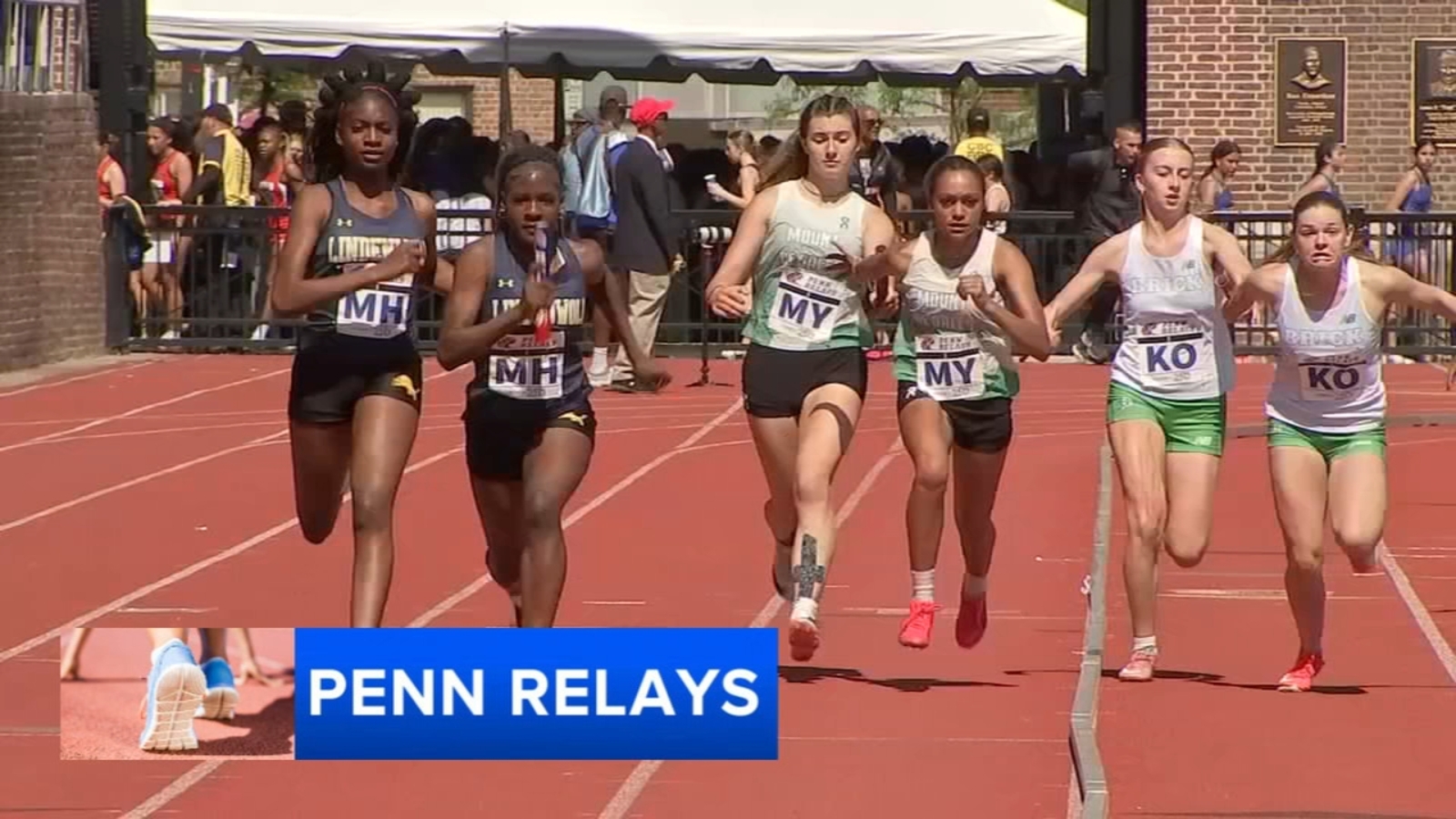
The 130th Penn Relays are underway at Franklin Field, bringing thousands of athletes, families, coaches, and track-and-field fans to University City for one of Philadelphia’s most enduring sports celebrations. The historic meet opened Thursday with competition spanning multiple generations and experience levels, and the action is scheduled to continue throughout the weekend.
A Philadelphia Track-and-Field Tradition Returns
Since beginning in 1895, the Penn Relays has grown into a cornerstone of American track and field. Each year, the gathering blends elite competition with community participation, creating an atmosphere that appeals to dedicated followers of the sport as well as spectators who simply enjoy the energy of a packed stadium.
Franklin Field provides the perfect setting for the occasion. Its grandstands, close views of the track, and long athletic history help create the kind of environment that competitors remember for years. Athletes interviewed during the opening day described the stadium as lively, welcoming, and inspiring,a place where runners feel encouraged to perform at their best while enjoying the experience with teammates and friends.
What Is Happening at the 130th Penn Relays?
The competition features a full program of track-and-field events. Relay races form the heart of the meet, with athletes competing in various age groups, divisions, and distances. The opening-day schedule also included field events such as long jump and pole vault, adding even more variety to the action at Franklin Field.
Because the Penn Relays stretch across several days, spectators can expect a rotating mix of events. Relay preliminaries, championship races, distance competitions, and other contests are spread throughout the program, giving attendees opportunities to see emerging talent and established competitors on the same historic track.
Visitors planning to attend should check the official daily schedule before traveling. Start times and featured events can vary by division, and the complete weekend program is the best source for planning a visit.
Thousands of Athletes, One Shared Stage
Organizers estimate that approximately 20,000 athletes are taking part in this year’s Penn Relays. That remarkable number reflects the meet’s inclusive character. Participants represent a broad range of ages, abilities, and competitive backgrounds, turning Franklin Field into a meeting place for everyone from young athletes to seasoned competitors.
The event’s scale also creates a special sense of community. Teammates travel together, schools and clubs display their colors, families cheer from the stands, and competitors who may be separated by age or ability still share the same track and the same respect for the tradition surrounding them.
Masters Runners Keep Competition Going
One of the most distinctive features of the Penn Relays is the opportunity to see Masters athletes compete. These runners are at least 40 years old, but age does little to diminish their preparation, determination, or appetite for competition.
Their presence underscores an important message: meaningful athletic participation does not have an expiration date. Masters competitors return to training, organize relay teams, and challenge themselves at a high level, proving that passion for racing can continue well beyond a typical athlete’s prime.
Team Fly Yellow Shows the Joy of Lifelong Running
Among this year’s Masters competitors is Team Fly Yellow, a group of longtime friends who are all age 65 or older. Their participation captures the inclusive spirit of the Penn Relays and offers a powerful example of friendship built around continued activity.
The group’s presence demonstrates why age-group competition matters. It gives experienced athletes a reason to keep training, gives spectators a chance to celebrate longevity, and reinforces the idea that enjoyment of sport can last for decades.
For Team Fly Yellow, staying involved is about more than results. It is about remaining part of a community, accepting a new challenge, and showing that growing older does not mean stepping away from the activities that bring joy and connection.
Special Olympics Athletes Receive a Rousing Welcome
One of the most emotional moments of the opening day came when Special Olympics athletes entered the competition. The Franklin Field crowd responded with a thunderous ovation, creating a memorable scene and some of the loudest cheers of the day.
Their races reflected the best of inclusive athletics: preparation, teamwork, courage, and shared accomplishment. Coaches, families, volunteers, and fellow competitors were united in support, emphasizing that every athlete deserves recognition and a meaningful opportunity to compete.
The enthusiastic reception illustrated why the atmosphere at the Penn Relays is so important. Applause is not reserved only for the fastest time or the closest finish. It is also offered to athletes who demonstrate perseverance, sportsmanship, and the determination to step onto one of track and field’s most famous stages.
The Energy Inside Franklin Field
Competition is the main attraction, but the overall experience is what keeps people coming back. Spectators return year after year not only for the races but also for the sense of occasion surrounding them. The weather on opening day contributed to a festive environment, while the crowd inside the stadium provided a steady current of noise and excitement.
For the athletes, that energy can be a major advantage. Running in front of a large, enthusiastic audience can sharpen focus, lift effort, and make the event feel especially memorable. Relay competition adds another emotional layer because each performance reflects trust among teammates who have trained and traveled together.
Yet maintaining composure can be just as important as feeding off the crowd. Young athletes at the meet described the importance of staying relaxed and accepting whatever outcome comes their way. Whether a race goes according to plan or produces an unexpected result, the event becomes a learning experience and another step in an athlete’s development.
What Makes the Penn Relays Different?
Several qualities help separate the Penn Relays from other major track-and-field events:
- A tradition dating to 1895: The meet connects today’s competitors with more than a century of Philadelphia sports history.
- Broad participation: Roughly 20,000 athletes of different ages and experience levels are involved.
- Iconic surroundings: Franklin Field gives every race a sense of history and importance.
- Age-group competition: Masters runners demonstrate that high-level enthusiasm can continue for a lifetime.
- Inclusive celebration: Special Olympics athletes are welcomed and strongly supported by the crowd.
- Varied competition: Relays, long jump, pole vault, and other events create a full spectator experience.
- Community atmosphere: The gathering brings together competitors, former athletes, families, students, volunteers, and devoted fans.
Tips for Enjoying the Weekend
With competition continuing through the weekend, attendees can make the most of the Penn Relays with a little preparation:
- Review the official schedule: Identify the relay finals, age-group races, and field-event sessions you most want to see.
- Arrive early: Arriving before the busiest sessions can provide more time to enter, find seats, and explore the venue.
- Wear comfortable clothing: Much of the event takes place outdoors, and conditions around the track can change throughout the day.
- Plan for a full day: With multiple events across Franklin Field, spectators can easily spend several hours enjoying the program.
- Cheer for every division: High school races, Masters competition, collegiate events, and adaptive or Special Olympics competition all contribute to the meet.
- Check transportation information: University City can become busy during major events, so travelers should allow extra time for transit, parking, and walking.
What Comes Next?
The 130th Penn Relays continue through Saturday and Sunday, with more relay races and additional championship moments still ahead. As the weekend unfolds, the focus will remain on the same values that have sustained the meet since 1895: athletic excellence, friendly competition, broad participation, and community pride.
Fast performances will earn applause, but the larger story is the gathering itself. Thousands of athletes will come to Franklin Field with different goals, yet they will share the same track and contribute to a tradition that has endured for 130 editions. From the youngest competitors to Masters runners in their 60s and beyond, each participant helps show why the Penn Relays remain one of track and field’s most meaningful events.
Conclusion
The opening day of the 130th Penn Relays delivered the championship atmosphere, inclusive competition, and community spirit that have defined this Philadelphia institution for generations. With approximately 20,000 athletes competing, a weekend of relays and field events still ahead, and memorable performances from Masters and Special Olympics competitors, Franklin Field is once again at the center of the track-and-field world. The meet’s longevity is not just about history,it is about the people who return each year to compete, cheer, reconnect, and celebrate a tradition that continues to move forward.