
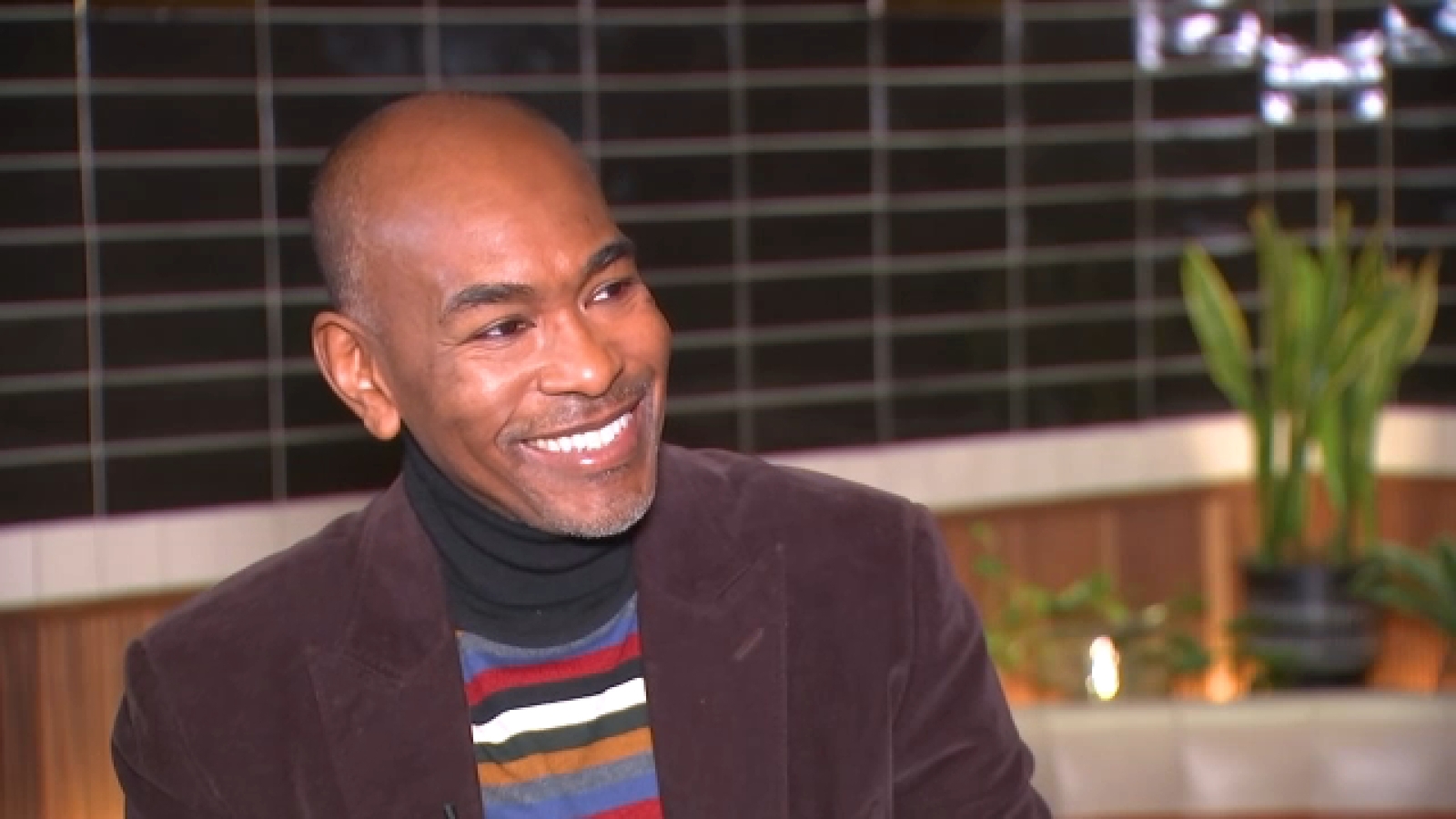
When audiences worldwide marvel at the lavish, larger-than-life wardrobes in Wicked, they’re witnessing the culmination of decades of artistry from Paul Tazewell, the Wicked costume designer who has spent his entire career mastering the craft of storytelling through clothing. Now standing on the brink of Oscars history, Tazewell represents not just a single film achievement, but a lifetime of dedication to using fabric, color, and form as a powerful narrative tool.
From High School Production to Hollywood Stardom
Tazewell’s journey into costume design began in the most unlikely of places: a high school theater production. At just 16 years old, he designed his first full production, The Wiz, a choice that would prove to be both prophetic and poetic. Decades later, he would return to the world of Oz on a scale his teenage self could never have imagined.
That early spark of passion never faded. Instead, it grew into a career that would eventually include designing for Broadway hits like Hamilton, cinematic adaptations including The Color Purple and Steven Spielberg’s West Side Story, and ultimately, the visually spectacular Wicked. His evolution from teenage theater enthusiast to one of the most sought-after costume designers in the industry is a testament to his singular vision and unwavering commitment to his craft.
The Monumental Task of Costuming Wicked
Bringing the magical land of Oz to life required Herculean effort from Tazewell and his team. The film features an astonishing 25 different looks for its two leading characters, Glinda and Elphaba, alongside the elaborate wardrobes of the citizens of Shiz, the whimsical inhabitants of Munchkinland, and the dazzling denizens of the Emerald City.
The numbers behind Tazewell’s most iconic creations are staggering:
- Glinda’s pink bubble dress consisted of 137 individual pattern pieces
- A single bodice required 225 hours of hand-beading alone
- Every costume element served a narrative purpose, not merely aesthetic appeal
For Tazewell, costume design is fundamentally about character revelation. Each garment must communicate volumes about who a character is, where they come from, and where they’re heading emotionally. This philosophy guided every single decision throughout the Wicked production process.
Collaborating With Visionaries: The Director Partnership
One of the most remarkable aspects of Tazewell’s work on Wicked was his early involvement in the production. He joined the project before any roles had been cast, giving him the rare opportunity to collaborate directly with director Jon M. Chu from the very inception of the visual world.
This early partnership allowed Tazewell’s designs to evolve organically alongside Chu’s directorial vision. Rather than retrofitting costumes to an already-established aesthetic, Tazewell could shape the visual language from the ground up, ensuring that every costume choice felt authentic to the world being built.
“It was a privilege to be right alongside Jon in understanding how he was imagining these characters,” Tazewell reflected. The collaborative process meant that his designs could shift and adapt as the director’s vision clarified, creating a more cohesive and intentional final product.
A Personal Connection to Elphaba’s Story
Perhaps the most powerful aspect of Tazewell’s work emerged through his deeply personal connection to the story of Wicked. When Cynthia Erivo was cast as Elphaba, Tazewell saw an opportunity to weave profound thematic meaning into the character’s wardrobe.
The narrative of Elphaba, a green-skinned woman who is othered and persecuted for the color of her skin, resonated with Tazewell on a deeply personal level. As a Black man, he understood viscerally what it means to be judged by the color of one’s skin. This awareness transformed his costume design approach from mere visual storytelling into something deeply political and emotionally resonant.
This intentional layering of meaning elevates Wicked‘s costumes beyond fantasy spectacle. Every stitch carries a message. Every color choice speaks to larger themes of identity, belonging, and resistance against prejudice.
The Collaborative Spirit With Leading Ladies
Tazewell’s approach to costume design is fundamentally collaborative, and his work with Erivo and Ariana Grande exemplified this philosophy. Rather than dictating choices from on high, he gathered both actresses around a table with Chu, laying out all the designs for group discussion.
This democratic approach allowed the characters to develop collaboratively:
- Designs were presented as conversation starters, not final decisions
- Both leads could express their interpretations of their characters
- The director’s vision remained central while integrating actor input
- Every costume evolved to serve the character’s emotional arc
“When I approach my costume design, I always want for it to resonate in a very meaningful way,” Tazewell explained. “I want for it to carry a message, to be poetic, to be larger than just a piece of clothing,even if it’s fantasy.”
The Emotional Culmination
The depth of Tazewell’s investment in Wicked became evident in a deeply personal moment after he first saw the completed film. He openly acknowledged breaking down emotionally while leaving the theater, overwhelmed by pride in what the entire team had accomplished together.
That moment represents something crucial about Tazewell’s artistic philosophy: he doesn’t see costume design as a job, but as a calling. Every project is approached with full emotional investment, and the results speak for themselves.
Poised to Make Oscars History
As the 97th Academy Awards approached, Paul Tazewell found himself standing at a historic threshold. A win at the Oscars ceremony would make him the first Black male costume designer to receive this recognition,a milestone that carries profound significance within both the entertainment industry and broader cultural conversations about representation.
“It really does mean the world to have that acknowledgement,” Tazewell shared. “To have that approval by so many greats that are in our industry, it just means the world, it means everything.”
His potential victory represents more than personal achievement. It symbolizes progress within an industry that has historically overlooked the contributions of designers of color. Tazewell’s success could inspire a new generation of diverse talent to pursue careers in costume design, knowing that the highest honors in the field are within reach regardless of background.
A Philosophy of Purposeful Design
Throughout his remarkable career, Tazewell has maintained a consistent philosophy that elevates his work above mere fashion. He views costume design as a medium for emotional impact and social commentary, refusing to settle for costumes that are simply beautiful without being meaningful.
“I want to touch hearts, want to change lives, I want to make a difference,” Tazewell articulated with characteristic passion. “My power, my medium in doing that, is costume design, and I’m passionate about it.”
This sense of purpose has guided his selections throughout his career, leading him toward projects that offer opportunities for meaningful storytelling. From the revolutionary energy of Hamilton to the profound humanity of The Color Purple, Tazewell consistently gravitates toward narratives that matter.
Looking Toward Oscar Gold
As the Academy Awards ceremony approached, Tazewell’s journey came full circle in the most beautiful way possible. The high school student who once designed The Wiz now stood ready to potentially receive the highest honor in his industry for his work on a film set in that same magical world of Oz.
The symbolism isn’t lost on Tazewell or his admirers. His career has traced an arc from amateur enthusiasm to professional excellence, proving that passion combined with perseverance can transform dreams into reality. Whether or not he ultimately takes home the Oscar, his nomination alone represents a watershed moment for representation in Hollywood’s costume design community.
The 97th Academy Awards, hosted by Conan O’Brien on March 2, 2025, offered Tazewell a chance to transform his Emerald City green into Oscar gold,a fitting color evolution for someone who has spent his career bringing magical worlds to vibrant, meaningful life.
The Lasting Impact of a Designer’s Vision
Regardless of awards outcomes, Paul Tazewell’s contribution to Wicked has already secured its place in cinema history. The costumes he designed will influence fashion, film, and theater for years to come. More importantly, the intentionality behind his work, his commitment to representation, and his belief in the power of meaningful design have established a new standard for what costume design can accomplish.
In a landscape where audiences increasingly demand authenticity and substance from the media they consume, Tazewell’s approach offers a blueprint for excellence. His costumes don’t just clothe characters; they tell stories, challenge prejudices, and touch hearts. That, ultimately, is the measure of a true artist, and why Paul Tazewell’s name deserves recognition alongside the legendary works of costume design history.