
The parents of a 5-year-old girl have been charged in their child’s death after the young girl was discovered in the waters off Pawleys Island, South Carolina. Saylor Hayes, a nonverbal autistic child from Virginia, went missing during a family outing and was later found deceased, prompting authorities to arrest both parents on charges of unlawfully placing a child at risk and willfully abandoning a child. This heartbreaking case has raised serious questions about parental responsibility, child supervision, and the safeguards available for vulnerable children with autism.
The Disappearance and Tragic Discovery
Saylor Hayes vanished on a Sunday after reportedly wandering away from a vacation rental property in Pawleys Island, a coastal community in Georgetown County, South Carolina. The little girl, who was described by authorities as severely nonverbal and autistic, had a known affinity for water and a documented history of elopement,meaning she had previously wandered from safe environments.
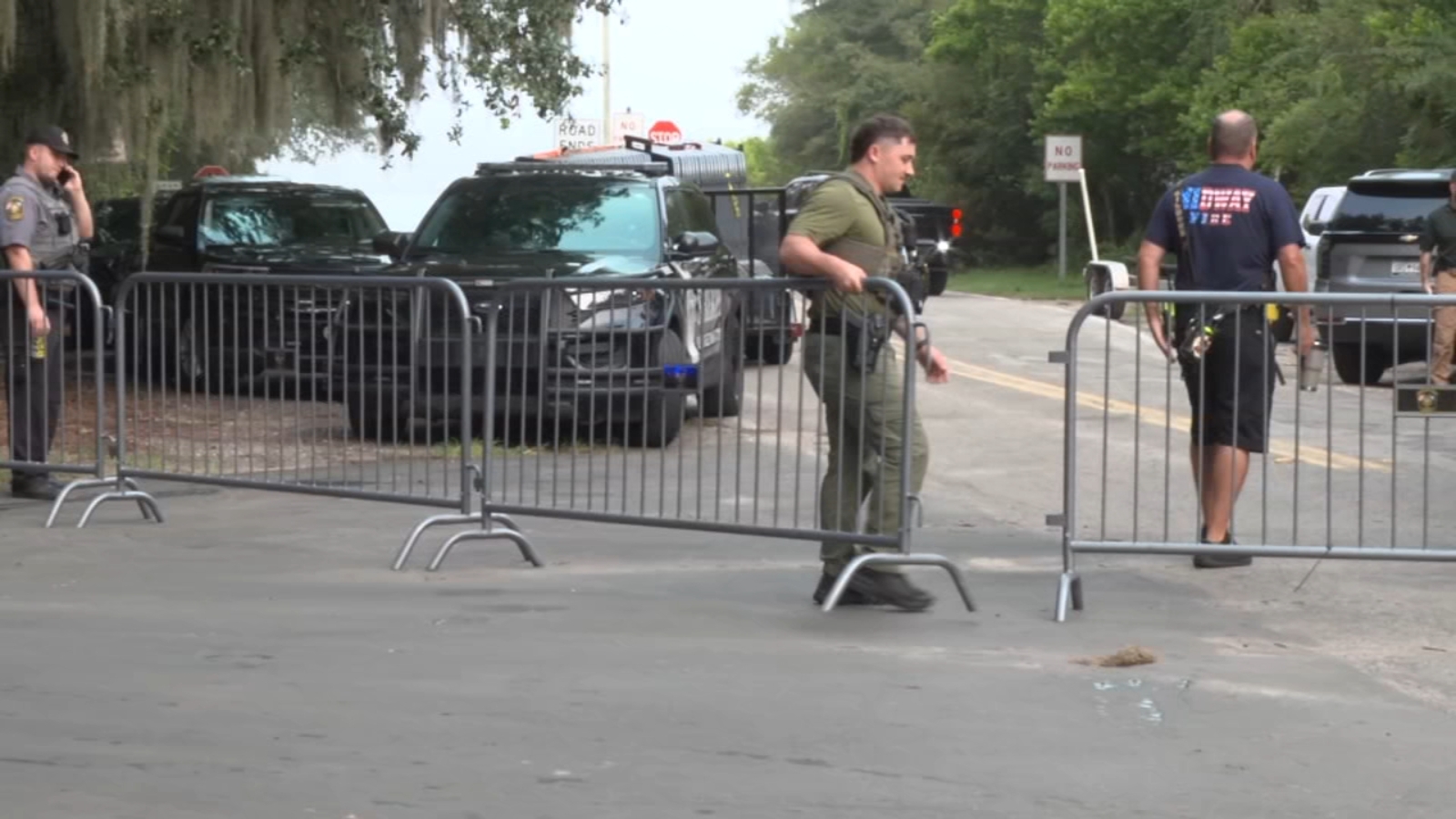
An extensive search was launched immediately, drawing in hundreds of volunteers and multiple law enforcement agencies. Despite the massive effort, search teams recovered Saylor’s body the following day in waters near the area where she had last been seen. The devastating outcome of the Saylor Hayes death transformed what began as a missing child case into a criminal investigation.
Parents Arrested and Charged
On Tuesday, Saylor’s parents,John Herb Hayes III, 70, and Geordyn Nichole Hayes, 31, of Bristol, Virginia,were taken into custody. The Georgetown County Sheriff’s Office announced that both parents had been arrested in Carter County, Tennessee, where they were awaiting extradition proceedings to South Carolina to face formal charges.
The charges stem from allegations outlined in arrest warrants that accuse the couple of placing Saylor “at an unreasonable risk of harm affecting her life and safety by failing to provide supervision and safeguards appropriate for a severely nonverbal, autistic five-year-old child with known affinity to water and history of elopement.”
Misleading Search Efforts
One of the most disturbing aspects of the case involves the allegations that the parents misled searchers during the critical hours when Saylor could have potentially been located. According to the arrest warrants, after the child was discovered missing, the parents actively encouraged search efforts to be directed toward tracking technology,despite knowing that Saylor was not wearing her monitoring device at the time.
Furthermore, the warrants allege that the parents directed search efforts away from a nearby body of water, where they had allegedly left Saylor unsupervised before she went missing. These actions, if proven true, could have significantly delayed rescue efforts during a time-sensitive situation.
The Role of Project Lifesaver
A key element in this tragedy involves a program called Project Lifesaver, which the Washington County Sheriff’s Office in Virginia had enrolled Saylor in since June 2024. This program is specifically designed to help locate individuals who are at risk of wandering, including those with autism, dementia, and other conditions.
How Project Lifesaver Works
Participants in Project Lifesaver wear a transmitter that emits an individualized radio frequency. Specially trained personnel use tracking equipment to detect and locate the signal if the wearer becomes missing. The program has helped locate thousands of vulnerable individuals across the country since its inception.
According to the Washington County Sheriff’s Office, Saylor had been equipped with a monitoring device as part of this program. However, the device was removed before the family departed Virginia for their South Carolina trip. When Georgetown County authorities requested Saylor’s assigned frequency to assist with the search, Washington County personnel complied, but search teams could not detect any signal because the transmitter was no longer on the child.
A Heartbreaking What-If
Washington County Sheriff Blake Andis expressed profound sadness about the situation, stating that had Saylor been wearing her Project Lifesaver transmitter, “we believe the technology could have assisted search teams in locating her much sooner.” The transmitter can only be removed by physically cutting the band it’s attached to, suggesting that its removal was an intentional decision made before the family traveled.
Community Response and Official Statements
Georgetown County Sheriff Carter Weaver addressed the case publicly, expressing condolences to all those affected by the tragedy. “The death of Saylor Hayes is a heartbreaking tragedy that has deeply affected our community and everyone who worked so hard to find her,” Weaver stated. “From the beginning, our responsibility has been to follow the evidence wherever it led.”
Sheriff Weaver emphasized that the investigation followed the evidence meticulously, leading to the arrests and charges under South Carolina law. He also highlighted Saylor’s vulnerability as a factor in the case, noting: “Saylor was a vulnerable five-year-old child who depended upon the adults responsible for her care and protection. She deserved to be safe. She deserved to be protected.”
Understanding Child Neglect Charges
The charges filed against the parents,unlawfully placing a child at risk or willfully abandoning a child,are serious offenses that carry significant legal consequences. These types of charges typically apply when a caregiver’s actions or inactions create dangerous conditions for a child under their supervision.
Autism and Water Safety Concerns
This case underscores a critical issue facing families of children with autism. Drowning is consistently cited as one of the leading causes of death for individuals with autism spectrum disorder. Children with autism are often drawn to water and may not respond to verbal cues or commands, making constant supervision absolutely essential,especially near pools, lakes, ponds, or any body of water.
Experts in autism safety emphasize several key precautions for families:
- Constant supervision: Children with autism who wander should never be left unattended near water sources, even briefly.
- Physical barriers: Pool fences, door alarms, and window locks can help prevent unsupervised access to water.
- Tracking devices: Programs like Project Lifesaver provide crucial recovery tools if a child does wander.
- Swimming lessons: Specialized water safety training can be life-saving for children with autism.
- Identification: Medical ID bracelets and information cards can help first responders understand a wanderer’s needs.
Legal Proceedings and Next Steps
As of the latest reports, both parents remain in custody at the Carter County Detention Center in Tennessee while awaiting extradition to South Carolina. It remains unclear whether either parent has retained legal representation at this stage of the proceedings.
The case will proceed through South Carolina’s judicial system, where prosecutors will need to prove beyond a reasonable doubt that the parents’ actions,or failures to act,constituted the crimes as charged. Given the emotional nature of the case and its media attention, the proceedings are likely to be closely watched by the community and beyond.
Broader Implications for Child Welfare
This tragic case serves as a sobering reminder of the immense responsibility that comes with caring for vulnerable children. For families with autistic children or children who tend to wander, the stakes are extraordinarily high. A momentary lapse in supervision can have irreversible consequences.
The case also raises difficult questions about accountability, particularly when the actions of caregivers allegedly contributed to the outcome. While the loss of any child is a profound tragedy for any family, the legal system must address situations where neglect or intentional misconduct played a role.
Conclusion
The case of the Pawleys Island missing child and the subsequent parents charged in child’s death represents a devastating intersection of vulnerability, negligence, and tragedy. Saylor Hayes was a child who needed protection, supervision, and the safety measures designed specifically to help children like her. The fact that her monitoring device was removed before travel and that search efforts may have been misdirected adds layers of complexity to an already heartbreaking situation.
As this case moves through the courts, it will undoubtedly prompt important conversations about child safety, parental responsibility, and the resources available to families caring for children with autism and other conditions that increase wandering risks. Our thoughts remain with all those affected by Saylor’s loss, and we can only hope that this tragedy leads to greater awareness and stronger protections for vulnerable children everywhere.