
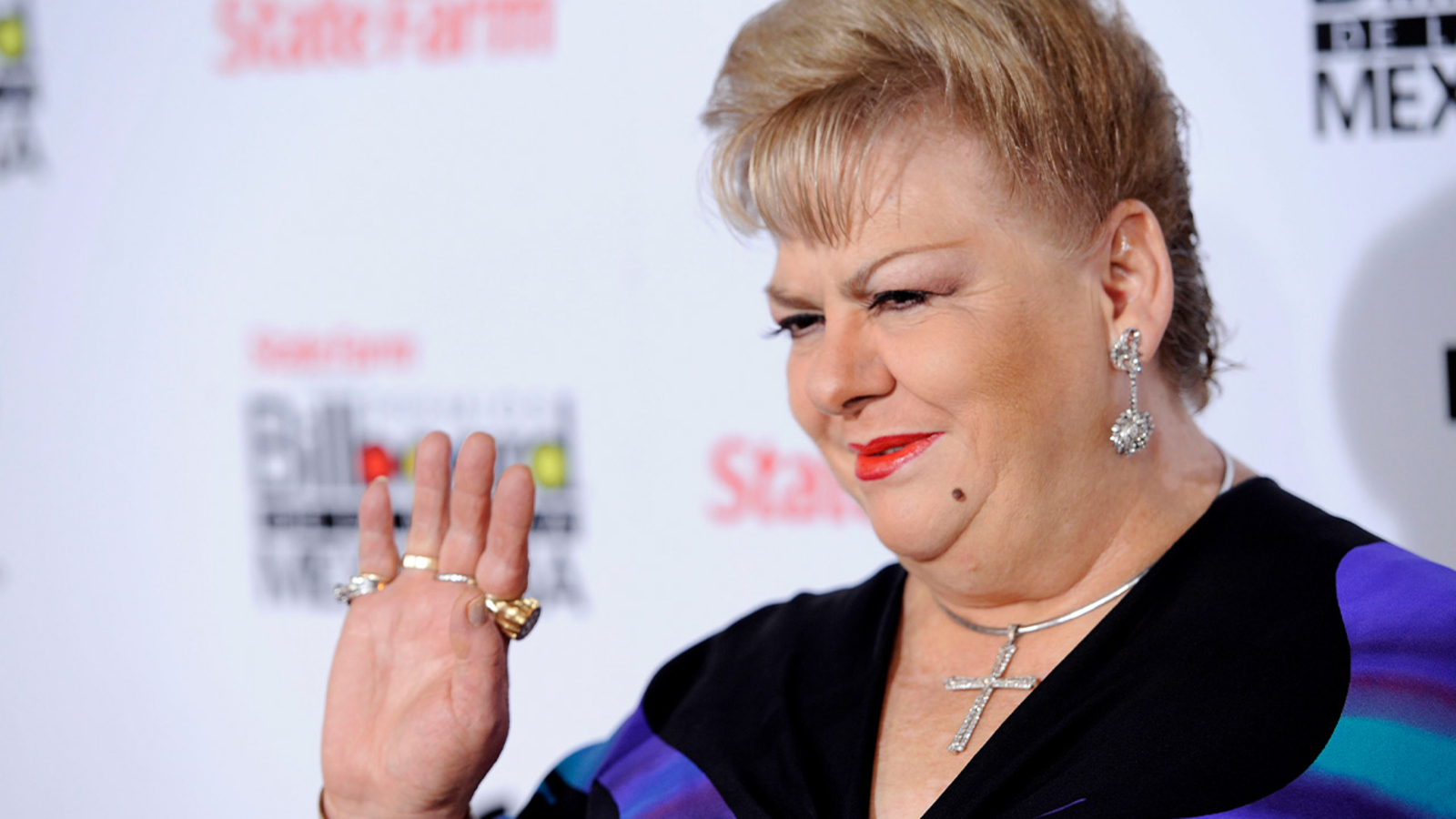
The music world is mourning the loss of Paquita la del Barrio, one of Mexico’s most iconic and beloved singers, who has passed away at the age of 77. The legendary artist, whose real name was Francisca Viveros Barradas, died at her home in Veracruz, Mexico, according to a statement released on her official Instagram account. Her death marks the end of an era for the Mexican ranchera genre and for countless fans who found strength in her fiercely empowering songs.
While the exact cause of Paquita la del Barrio’s death has not been disclosed, her passing leaves a profound void in Latin American music. She was a trailblazer, a cultural icon, and a voice for women who had been wronged in love. Her legacy, however, will continue to resonate across generations.
A Trailblazer in Mexican Ranchera Music
Born in the state of Veracruz, Paquita rose from humble beginnings to become one of the most recognizable figures in Mexican music. The Mexican singer carved out a unique space in the ranchera genre, a musical tradition historically dominated by male artists such as Vicente Fernández and Pedro Infante. In an industry where women were often relegated to supporting roles or sidelined entirely, Paquita boldly stepped into the spotlight and refused to be silenced.
Her music was unapologetically honest. She sang about betrayal, heartbreak, and the raw emotions that come with being scorned in love. Yet beneath the sharp lyrics was a deeper message of female empowerment and self-respect. Paquita did not merely complain about mistreatment; she demanded dignity. This bold approach earned her the title of “the queen and defender of women” throughout Latin America.
Breaking Barriers in a Male-Dominated Genre
The ranchera music tradition, with its roots deep in Mexican culture, has long celebrated machismo, heartache, and resilience. Women performers, when they appeared at all, were often expected to sing about devotion and longing rather than defiance. Paquita flipped this narrative entirely. Her songs were anthems of liberation, declaring that women would no longer tolerate lies, infidelity, or disrespect.
Her unique position as a female powerhouse in a male-dominated industry made her a cultural phenomenon. She didn’t just participate in ranchera music; she reinvented it, giving voice to millions of women who saw their own experiences reflected in her lyrics.
The Iconic Hit: “Rata de dos Patas”
No discussion of Paquita la del Barrio’s career would be complete without mentioning her signature song, “Rata de dos Patas.” This track became a cultural phenomenon across Mexico, Latin America, and beyond. The title translates roughly to “two-legged rat,” and the song is a scathing, witty takedown of a cheating ex-lover. With cutting lines and a fierce delivery, Paquita transformed personal heartbreak into a universal anthem of retribution.
“Rata de dos Patas” resonated with audiences because it was both entertaining and cathartic. The song gave listeners permission to express anger, disappointment, and ultimately, the strength to walk away from toxic relationships. Its popularity cemented Paquita’s status as one of the most influential Mexican music legends of her generation.
Other Notable Works and Artistic Legacy
While “Rata de dos Patas” remains her most famous work, Paquita’s catalog includes numerous other powerful songs that explore themes of love, betrayal, and self-worth. Tracks like “Tres Veces Te Engañé,” “Cheque en Blanco,” and “Hombres Malvados” further demonstrated her ability to blend emotional vulnerability with sharp, biting commentary. Each song reinforced her image as an artist who spoke truth to power and refused to sugarcoat the realities of love gone wrong.
Beyond her recorded music, Paquita la del Barrio became a beloved television personality in Mexico, known for her sharp wit and unfiltered commentary. Her appearances on various shows endeared her to even more fans who appreciated her authenticity and refusal to conform to industry expectations.
Recent Health Struggles and Final Days
In the weeks leading up to her death, fans had grown concerned about Paquita la del Barrio’s health. Just a few weeks before her passing, the singer was forced to postpone a highly anticipated performance at the prestigious National Auditorium in Mexico City. The cancellation was due to immobility in her legs, which made it impossible for her to take the stage.
This news worried her devoted fanbase, many of whom saw the postponement as a troubling sign. The National Auditorium is one of Mexico’s most important concert venues, and a performance there would have been a significant milestone in any artist’s career. That she had to step away from the stage was a sobering reminder of the physical toll that decades of performing had taken on the beloved Veracruz singer.
Despite these challenges, Paquita remained an active presence on social media, connecting with fans and sharing glimpses of her life. Her official Instagram account became a space where followers could express their love and admiration, and it was through this platform that the news of her death was ultimately shared.
Fan Reactions and Tributes
The news of Paquita la del Barrio’s death sparked an outpouring of grief and tributes across social media and beyond. Fans from all walks of life shared memories of how her music had impacted them personally. For many women, her songs provided comfort during difficult breakups and validation during moments of doubt. Her lyrics, often described as merciless yet empowering, became a soundtrack for reclaiming self-worth after emotional abuse.
Tributes poured in from fellow musicians, celebrities, and political figures throughout Mexico. Many highlighted her cultural significance and the barriers she broke for women in ranchera music. Colleagues spoke of her generosity, her fierce independence, and her unwavering commitment to authenticity. To them, Paquita was more than a singer; she was a symbol of resilience and female strength.
A Cultural Icon Beyond Music
Paquita’s influence extended far beyond the recording studio. She became a cultural reference point in Mexican society, with her name and image often invoked in conversations about gender, empowerment, and standing up for oneself. Phrases from her songs entered everyday vocabulary, and her bold personality inspired countless women to speak their minds and demand better treatment in their personal relationships.
Her legacy as an advocate for women’s rights, expressed entirely through the universal language of music, is particularly remarkable. She never needed to deliver speeches or make grand public declarations; her songs said everything that needed to be said. In this way, Paquita la del Barrio achieved something rare in entertainment: she became a movement.
The Broader Impact on Latin Music
Paquita’s contributions helped pave the way for future generations of female artists in Latin music. While she may not have received the same mainstream recognition as some of her male counterparts during her early years, her influence can be heard in the work of many contemporary artists who blend traditional ranchera sounds with modern themes of female empowerment.
She proved that ranchera music could be a vehicle for feminist expression, challenging long-held beliefs about what women were “allowed” to sing about in the tradition. This shift opened doors for countless women who followed in her footsteps, whether in ranchera specifically or in other genres of Latin music more broadly.
Remembering a Legend
As fans, colleagues, and admirers process the loss of Paquita la del Barrio, one thing remains clear: her music and her message will endure. Her songs continue to play on radio stations, in homes, and at gatherings across Mexico and the Latin American diaspora. They remind listeners that heartbreak is universal, but so is the strength to overcome it.
The Francisca Viveros Barradas who became known to the world as Paquita la del Barrio leaves behind a legacy that transcends music. She was a daughter of Veracruz who became a queen of ranchera. She was a woman who refused to be silenced and who used her voice to uplift millions. In her passing, the world has lost not just a singer, but a cultural force.
Final Thoughts
The story of Paquita la del Barrio is ultimately one of triumph over adversity. From her beginnings in Veracruz to her reign as one of Mexico’s most beloved performers, she lived life on her own terms. Her songs, imbued with passion, wit, and unshakable conviction, will continue to inspire women to stand tall in the face of mistreatment and to demand the respect they deserve.
As we bid farewell to this Mexican music legend, we celebrate not just her artistry but her courage. Paquita taught us that it is possible to be vulnerable and powerful at the same time, that heartbreak can be transformed into strength, and that one’s voice, no matter how improbable the stage, can change the world. Her memory will live on in every note she sang and in every heart she touched.