
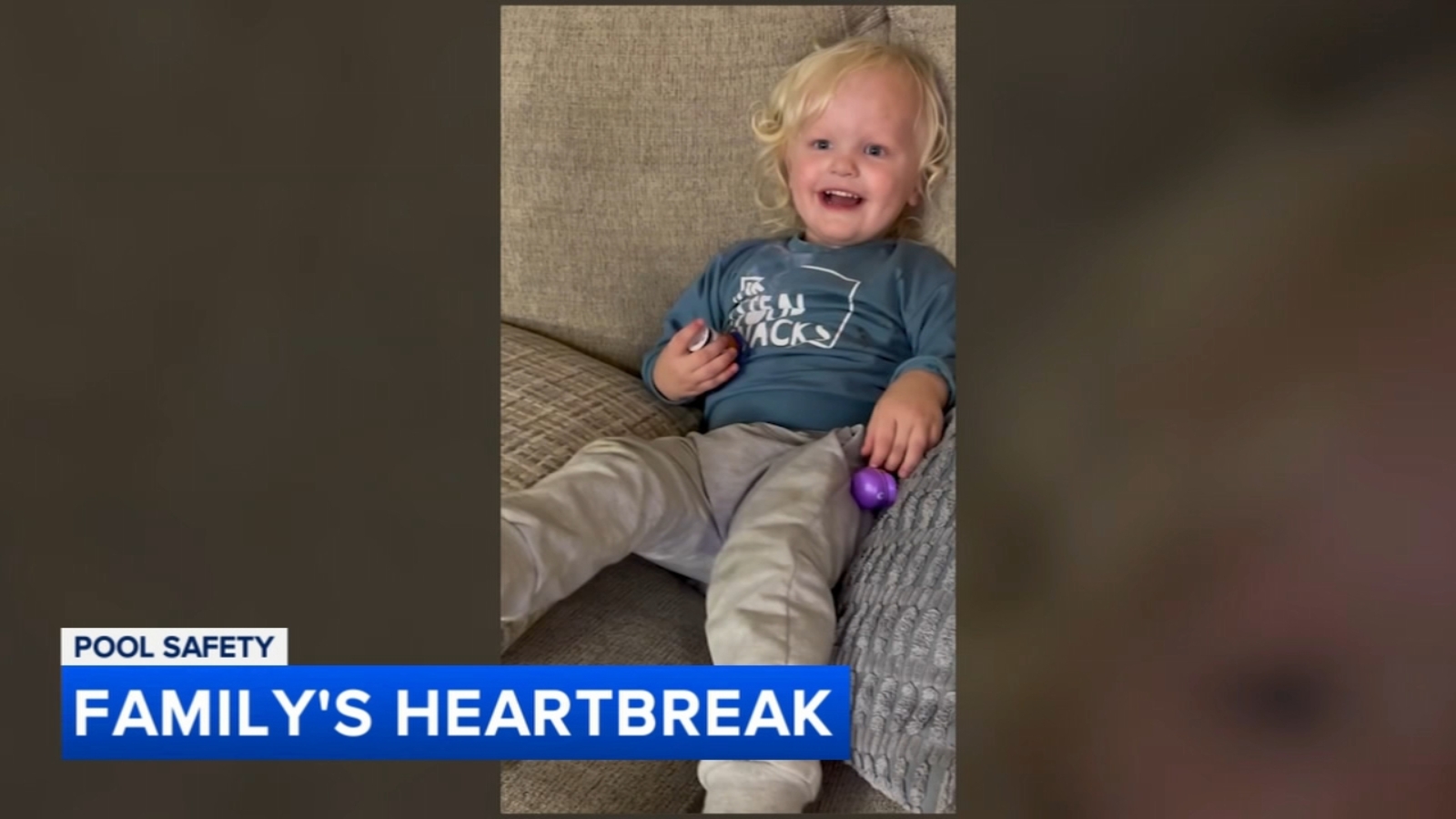
In the quiet suburbs of Washington Township, New Jersey, a family is making an unthinkable decision that may transform unbearable grief into an extraordinary gift. The parents of 3-year-old Elijah Shevlin are preparing to honor their son’s memory through organ donation after a devastating backyard drowning incident. What began as an ordinary Saturday afternoon turned into every parent’s worst nightmare, and now the family is channeling their heartbreak into the hope of saving other children’s lives.
This story, while deeply painful, shines a powerful light on the life-altering impact of pediatric organ donation, the critical importance of child pool safety, and the resilience of families who choose purpose in the midst of profound loss.
A Family’s Unimaginable Loss
Sandi and Michael Shevlin describe their son Elijah as a child whose very presence radiated warmth. To them, he was “golden” , a boy whose laugh, giggle, and smile carried an almost angelic purity. “There wasn’t a bad bone in that kid’s body. He loved everybody,” Michael recalled.
That all changed in a matter of minutes. While at their family home, the Shevlins discovered Elijah face down and unresponsive in their backyard pool. Michael immediately pulled his son from the water and began performing CPR. In a heartbreaking display of devotion, Elijah’s nearly 7-year-old brother , who is autistic , grabbed his own life vest and attempted to help save him. The window of time between discovery and tragedy was just ten minutes.
Despite heroic efforts from both his father and brother, Elijah was rushed to the Children’s Hospital of Philadelphia, where medical teams determined he had no brain activity. The family now faces the agonizing reality of saying their final goodbyes.
Choosing Legacy: The Decision to Donate
Even as they navigate their grief, the Shevlins have made a decision that could potentially save up to eight lives. Through Gift of Life, the region’s organ procurement organization, Elijah’s organs may be matched primarily with other children in desperate need of transplants.
“Because of how young he is, it could be mostly children he would be able to save, and it could be up to eight people,” explained Bill Ginley, a Gift of Life transplant coordinator working with the family. Ginley noted that approximately 4,500 people of all ages are currently waiting for a transplant in the region , a sobering statistic that underscores the urgency of every donor decision.
Elijah must still complete a series of medical evaluations before the donation process can move forward, but Ginley emphasized the organization’s commitment to acting swiftly. “We would go forward and move quickly to honor Elijah and keep that legacy going for him and what his family wants him to do, and that’s to live on and continue to be that bright spot for somebody.”
A Family’s Reflection on Purpose
For Michael, the decision is rooted in a belief that perhaps this was always his son’s purpose. “If one more parent gets to have more time with their child, then maybe that was just his purpose,” he said.
Sandi echoed that sentiment with a mother’s intuition. “I truly believe this was his calling. This was what he was meant to do. He was meant to save lives. He was meant to spread goodness.”
Those words capture the heart of every pediatric organ donation story , a child’s brief life giving years, even decades, to others. The Shevlins are leaning into that legacy even as the weight of loss presses down on them.
The Hidden Dangers of Childhood Drowning
According to the Centers for Disease Control and Prevention, drowning remains the leading cause of death for children ages 1 to 4 in the United States. The Shevlin family is painfully aware of that statistic now more than ever, particularly because both Elijah and his older brother are autistic.
To protect her children, Sandi said the family had installed two locks on every door leading outside and took extra precautions around the pool. Despite these measures, no one yet knows how Elijah managed to get outside that day. “As a parent, you feel like you failed them, you feel like you didn’t protect them, but we literally did everything, and it’s such a freak accident that no parent should go through,” she explained.
Critical Pool Safety Measures Every Family Should Know
- Multiple barriers: Install locks on all doors and windows that access the pool area, and consider a four-sided isolation fence at least four feet high with self-closing, self-latching gates.
- Constant supervision: Designate an adult water watcher at all times, especially during gatherings when supervision can lapse.
- CPR readiness: Parents and caregivers should be trained in infant and child CPR , the quick response that Michael initiated may buy precious minutes until paramedics arrive.
- Swim lessons: Enroll children in age-appropriate water competency and swim lessons as early as possible.
- Life jackets: Use U.S. Coast Guard-approved life jackets for young children and weaker swimmers, not inflatable floaties.
- Alarms: Consider pool alarms, door alarms, and even wearable water sensors for added peace of mind.
Even with all the right precautions in place, the Shevlins’ story is a heartbreaking reminder that childhood drowning prevention requires layers of protection , and that accidents can still occur despite a parent’s best efforts.
The Broader Picture of Pediatric Organ Donation
Stories like Elijah’s illuminate a topic many parents avoid discussing. Pediatric organ donation is a rare and deeply meaningful gift. Because organ size and compatibility matter significantly, donations from young children are often matched with other young recipients, creating a direct lifeline between one grieving family and another family anxiously waiting by a hospital bedside.
Transplant coordinators like Ginley serve as compassionate guides through this process, working with families experiencing their darkest hours to facilitate decisions that can transform tragedy into hope. Each donor has the potential to save multiple lives , through heart, liver, kidney, lung, pancreas, and intestinal donations , and even more through tissue donation such as corneas and skin grafts.
How Families Can Support the Cause
- Register as an organ donor: Sign up through your state’s Department of Motor Vehicles or online registry.
- Discuss your wishes: Have open conversations with family members about your donation decisions.
- Support families in crisis: Community support , whether through fundraising, meals, or simply showing up , can make an enormous difference.
- Volunteer or donate: Organizations like Gift of Life Donor Program rely on community involvement to continue their lifesaving work.
- Advocate for water safety: Share pool safety resources and drowning prevention information within your community.
A Community Rallies Around the Shevlins
In the wake of the tragedy, neighbors and friends have stepped forward to wrap the Shevlin family in support. A lemonade stand fundraiser is scheduled for Sunday at 30 Longwood Drive in Sicklerville, New Jersey, from 1 to 4 p.m. Such grassroots efforts reflect the way communities tend to lift up grieving families in practical, tangible ways.
Elijah also leaves behind a twin sister and his older brother, both of whom will grow up knowing that their sibling’s final chapter became a story of extraordinary generosity. That is a legacy no amount of time can diminish.
Honoring Every Child’s Life Through Action
The Shevlin family’s story is, at its core, about love , the love of parents for a child they could not save, and the love that drives them to save others instead. Their decision to pursue organ donation in Elijah’s name represents one of the most courageous acts a family can make during their most vulnerable moment.
If Elijah’s gift gives even one more parent the gift of more time with their child, then a piece of his bright, joyful spirit will live on in a way his parents never could have imagined. His laugh, his giggle, his smile , everything that made him “so pure and angelic” , can continue to ripple outward through lives yet to be touched by his legacy.
For families reading this story who may be facing their own unimaginable losses, or for those simply looking for ways to make a difference, the path forward is clear. Register as an organ donor. Talk to your children about water safety. Learn CPR. Support organizations that facilitate the miracle of organ donation. And never underestimate the profound impact that one small life , even three short years of it , can have on the world.