
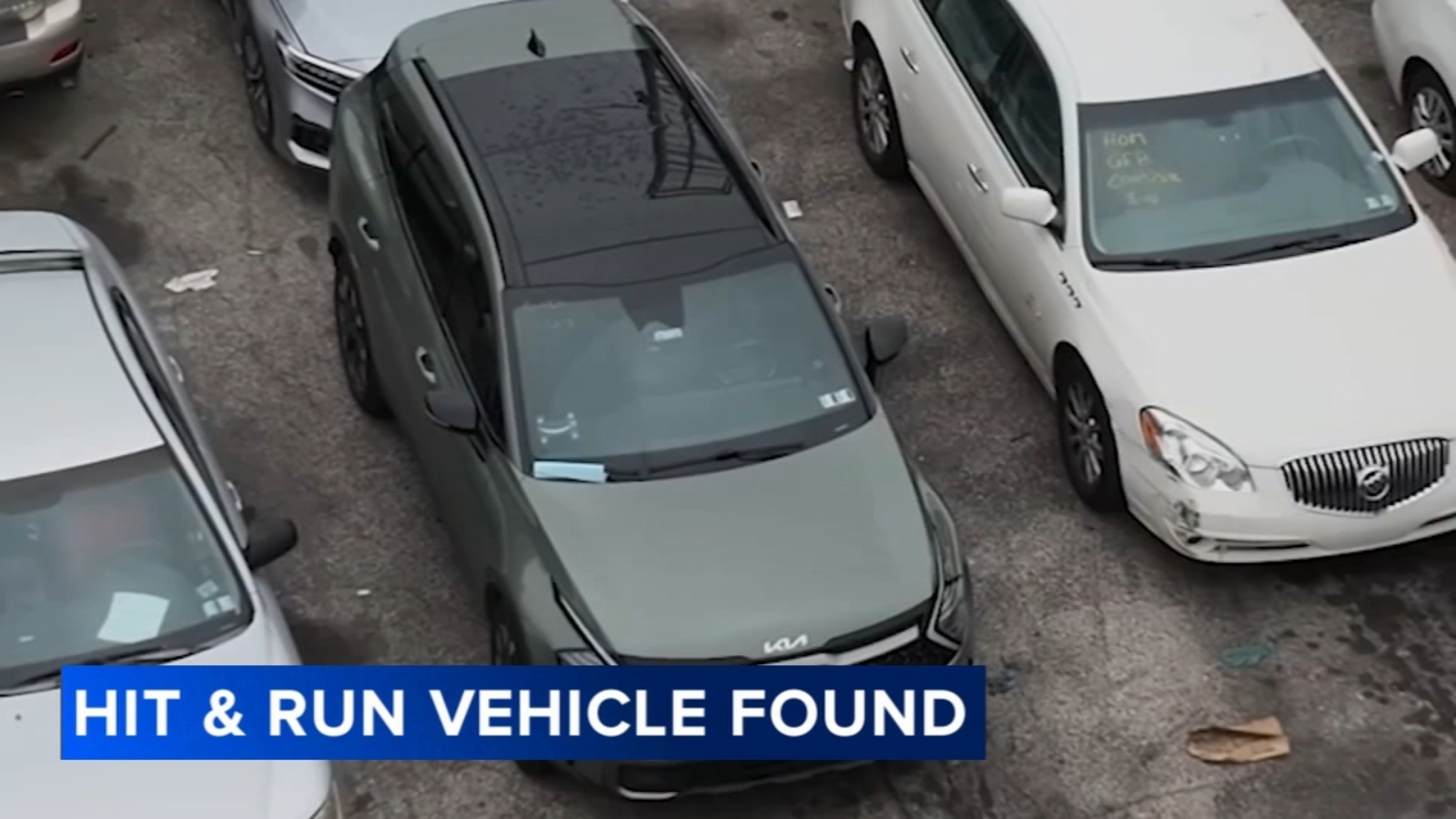
Philadelphia police have reportedly located the vehicle involved in a devastating Olney hit-and-run that claimed the life of a 48-year-old man on Rising Sun Avenue. The discovery comes as investigators with the city’s Internal Affairs division continue to examine disturbing video footage that allegedly shows a Philadelphia police officer leaving the injured man in the roadway moments before he was fatally struck by a passing green Kia.
This troubling case has raised serious questions about police accountability, pedestrian safety, and the broader response protocol for officers encountering individuals in distress on city streets. As the investigation unfolds, community members and city officials are demanding transparency in how both the officer’s actions and the subsequent fatal crash are being handled.
The Sequence of Events on Rising Sun Avenue
According to information released by Philadelphia police sources, the incident unfolded on Thursday along Rising Sun Avenue, near the intersection with Olney Avenue in the city’s Olney neighborhood. The timeline, as pieced together by investigators, reveals a series of decisions with tragic consequences.
A man , later identified as 48 years old , was found in the bike lane of the street, where he had apparently fallen. Video evidence now being reviewed by Internal Affairs allegedly captures the moments when a Philadelphia police officer encountered the man and, rather than rendering aid or summoning emergency medical assistance, left him in the roadway.
Less than five minutes after the officer departed the scene, a green Kia traveling along Rising Sun Avenue entered the bike lane in an apparent attempt to pass another vehicle. Tragically, the Kia struck the man who had been left lying in the street, running him over and causing fatal injuries.
A Crucial Five-Minute Window
The narrow window of time between the officer’s departure and the fatal collision has become a central focus of the investigation. Investigators believe those few minutes represented a critical opportunity for intervention that was missed. The man, who may have been injured, disoriented, or otherwise unable to remove himself from the roadway, became a fatality in a scenario that police protocol is specifically designed to prevent.
Discovery of the Vehicle and Potential Driver
Following the deadly crash, the driver of the green Kia fled the scene, prompting an immediate search by Philadelphia homicide detectives and traffic investigators. The vehicle was eventually located and towed to a police impound lot, where it will undergo forensic examination as part of the ongoing inquiry into the Olney hit-and-run.
Investigators have also reportedly identified a person they believe to have been operating the Kia at the time of the collision. However, authorities have not yet publicly announced whether this individual will face criminal charges related to the fatal crash. The decision on charges is expected to depend on several factors, including the results of the vehicle examination, witness statements, and any additional video evidence that may surface from the surrounding area.
The Officer’s Role Under Scrutiny
In a parallel but deeply connected investigation, the Philadelphia Police Department’s Internal Affairs division is examining the actions of the officer who left the man in the street. The officer has been placed on administrative leave pending the outcome of the inquiry.
Formal accusations against the officer include:
- Failure to report the incident , The officer allegedly did not document or report the encounter with the man in the roadway.
- Failure to assist a person in need , Police officers have a duty to provide aid or summon help for individuals who appear to be in distress or danger, a duty that was allegedly not fulfilled in this case.
The video footage currently being analyzed by Internal Affairs is considered pivotal to the investigation. While the precise contents of the video have not been fully disclosed, it reportedly shows the officer’s interactions with the man and his subsequent departure from the scene.
Community Response and Calls for Accountability
The fatal Olney hit-and-run has reverberated throughout the Philadelphia community, prompting strong reactions from residents, advocacy groups, and local leaders. Many have expressed outrage that both the driver’s apparent decision to flee and the officer’s alleged failure to render aid contributed to a death that may have been preventable.
Pedestrian safety advocates have pointed to this incident as a stark example of the vulnerabilities faced by individuals navigating Philadelphia’s busy roadways, particularly in commercial corridors like Rising Sun Avenue. The bike lane where the man was left and struck is specifically designed to provide a measure of separation between cyclists, pedestrians, and motor vehicle traffic , yet it was within this lane that the tragedy occurred.
Questions Raised About Police Training and Protocols
This case has intensified ongoing conversations about how Philadelphia police officers are trained to respond when they encounter individuals in crisis on the street. Standard police procedure generally requires officers to either provide direct assistance, call for medical help, or take reasonable steps to ensure the individual’s safety until additional resources arrive. The alleged failure to take any of these steps has prompted renewed scrutiny of departmental training and accountability mechanisms.
Broader Implications for Traffic Safety in Philadelphia
Beyond the specific circumstances surrounding this fatal hit-and-run, the case underscores persistent concerns about traffic safety throughout Philadelphia. The city has historically struggled with pedestrian and cyclist fatalities, and incidents like the one on Rising Sun Avenue highlight the intersection of multiple risk factors , including hit-and-run driving, inadequate responses to vulnerable individuals in the roadway, and the design of urban streets that may encourage drivers to take risks such as passing in bike lanes.
Law enforcement officials and traffic safety experts continue to stress the importance of drivers remaining at the scene of any collision, regardless of the circumstances. Fleeing the scene of a crash that results in death carries severe legal penalties in Pennsylvania, including potential felony charges and substantial prison time.
What Happens Next in the Investigation
As the investigation into the Olney hit-and-run progresses, several key developments are anticipated:
- Forensic Examination of the Vehicle , The recovered green Kia will be examined for evidence, including any damage consistent with striking a pedestrian, trace evidence, and potential surveillance footage from onboard systems.
- Formal Charges Against the Driver , Prosecutors will review the evidence gathered by police to determine appropriate charges against the person believed to have been operating the Kia.
- Internal Affairs Findings , The investigation into the officer’s conduct will conclude with findings that could result in disciplinary action, additional training requirements, or referral for criminal consideration.
- Policy Review , The Philadelphia Police Department may conduct a broader review of protocols related to officers encountering individuals in distress on roadways.
Authorities have not released the identity of the 48-year-old victim, pending notification of family members and further investigation.
A Community Seeking Answers
As Philadelphia continues to grapple with the aftermath of this heartbreaking incident, the community is seeking answers, accountability, and reassurance that measures will be taken to prevent similar tragedies in the future. The convergence of an alleged failure by law enforcement and a driver’s decision to flee the scene represents a particularly troubling combination that has left many residents calling for comprehensive reform.
The discovery of the vehicle in this Olney hit-and-run marks a significant step forward in the criminal investigation, but the broader questions about police responsibility, pedestrian safety, and the human cost of inattention on Philadelphia’s streets remain unresolved. As the Internal Affairs inquiry and criminal probe move forward, the eyes of the community , and the city , will remain focused on ensuring that justice is served and that meaningful lessons are drawn from this devastating loss of life.