
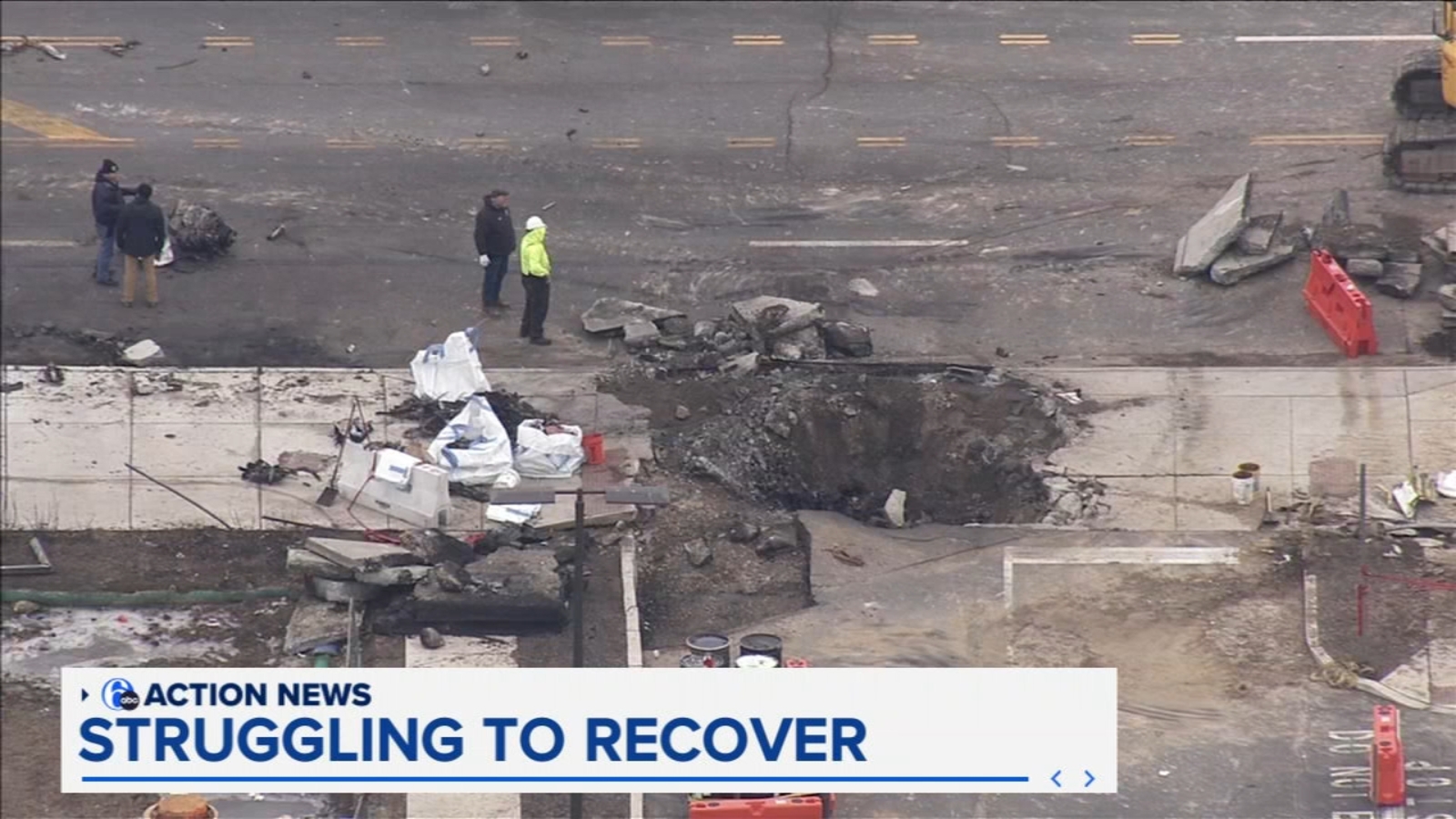
In the weeks following the devastating northeast Philadelphia plane crash, a community resource town hall brought together victims, business owners, and local leaders at Northeast High School to address the ongoing struggles faced by hundreds of affected families. The medical jet tragedy that occurred on January 31 along Cottman Avenue continues to leave deep scars, with seven lives lost, 24 people injured, and more than 360 properties impacted. As residents grapple with displacement, financial ruin, and emotional trauma, the event served as a critical bridge between those in need and the support systems designed to help them recover.
The Aftermath of a Community-Wide Disaster
The scale of destruction caused by the medical jet crash in northeast Philadelphia has proven to be far more extensive than many initially anticipated. When the aircraft came down in a densely populated neighborhood, the shockwaves rippled outward, damaging homes, shattering businesses, and fundamentally altering the daily rhythms of an entire community. Weeks after the catastrophic event, residents are still discovering the full extent of the damage,both physical and psychological.
Among those still struggling is Vivian Gonzalez, owner of Variedades Hondumex Grocery. Her small business, a neighborhood staple, has remained shuttered since the crash rendered the building unsafe for entry. Without access to her storefront, Gonzalez has been unable to assess the losses inside, but the visible impact has already been devastating.
“For the past few weeks, we’re not able to open,” Gonzalez explained. “So we lost wages, you know. We lost produce. We lost customers, of course.”
Her story mirrors countless others throughout the affected area,families unable to return to their homes, workers displaced from their jobs, and small business owners watching their livelihoods hang in limbo while awaiting permission to even survey the wreckage.
A Town Hall Designed for Tangible Help
State Representative Jared Solomon organized the resource town hall at Northeast High School, transforming the venue into a one-stop hub for Philadelphia plane crash victims seeking assistance. The gathering connected residents with insurance commissioners, housing advocates, food security organizations, and mental health professionals,all under one roof.
“We want to make sure we’re there for people now and into the future because it’s going to take a long time to come back from this,” Rep. Solomon told attendees, emphasizing that recovery from a disaster of this magnitude cannot be rushed.
The representative estimated that hundreds of families living in the impacted area of northeast Philadelphia are dealing with lingering consequences from the crash. From expedited insurance claims to temporary housing solutions, the town hall aimed to cut through the bureaucratic red tape that often follows tragedy.
Key Resources Available at the Event
- Insurance claim assistance with the insurance commissioner present to help expedite processes
- Food security services for families displaced or facing financial hardship
- Housing support for residents whose homes remain uninhabitable
- Mental health counseling to address trauma, anxiety, and PTSD
- Business recovery resources for affected commercial property owners
Small Businesses Fight for Survival
While residential damage has captured much of the public attention, the economic toll on local commerce represents an equally urgent crisis. Solomon has acknowledged this reality and is currently working to pass legislation that would free up emergency funding specifically for businesses impacted by the crash.
“What’s left are neighbors who need help; businesses who need to get back on their feet,” Solomon said during the town hall, highlighting the dual challenge of rebuilding both homes and the local economy.
There is also an emerging effort to establish a local nonprofit dedicated to helping residents in the affected community navigate the long road ahead. Such an organization would provide sustained support long after the news cameras move on to other stories.
The Invisible Wounds: Mental Health After the Crash
Perhaps the most profound focus of the town hall was the mental health crisis unfolding in the wake of the disaster. Trauma counselors and behavioral health specialists were on hand to connect victims with services, recognizing that the psychological scars from the medical jet crash Philadelphia residents experienced may outlast the physical damage.
Delores Brooks, a longtime northeast Philadelphia resident, shared her haunting experience of the night the jet came down. She was inside her home when the catastrophe unfolded just outside her window.
“As I turned over to look out the window, a huge ball of flames started coming toward me,” Brooks recalled, her voice carrying the weight of a memory that refuses to fade.
Even weeks later, Brooks continues to struggle with the psychological aftermath. She has sought professional counseling to cope with recurring nightmares and debilitating anxiety attacks,symptoms that flare up whenever she hears an aircraft overhead.
“I’m in counseling now because I have nightmares about this. I have anxiety attacks about this. Every time I see a plane, I’m looking up in the air to see which way that plane is going,” she said.
Brooks’ home remains boarded up, yet she has no choice but to continue living inside,a reality that underscores how deeply the crash has disrupted even the most basic sense of safety for survivors.
A New Collaborative Emerges to Fill the Gaps
In direct response to the ongoing need, the Northeast Service Collaborative was formed just last week. This coalition brings together five local organizations under a unified mission: offering resources, counseling, and behavioral health services to those still reeling from the tragedy.
Mary K. Doherty of CORA Services, one of the collaborative partners, explained the philosophy behind this new approach. By pooling their collective expertise, the organizations can deliver more comprehensive support than any single agency could provide alone.
“We’ve always collaborated maybe one-on-one, and now we’re doing it together. It just brings the power of many resources to one spot,” Doherty said.
Why This Collaborative Matters
The formation of the Northeast Service Collaborative represents a significant shift in how Philadelphia responds to community-level disasters. Rather than working in silos, these organizations have recognized that the complexity of recovery demands coordination, communication, and shared resources.
For victims navigating insurance paperwork while simultaneously coping with trauma, having multiple service providers working in concert can mean the difference between feeling supported and feeling overwhelmed.
Community Resilience on Display
Despite the ongoing hardships, the town hall revealed a community determined to support one another through the recovery process. Brooks captured this collective spirit with her heartfelt message to fellow residents.
“There’s a lot going on, and we all need each other, so let’s just pull together,” she urged.
That sentiment echoed throughout the evening, as neighbors compared notes on contractors, shared information about available grants, and offered emotional support to strangers who had become bonded by shared tragedy. The northeast Philadelphia community recovery effort is being driven not just by officials and organizations, but by ordinary residents who refuse to let their neighborhood be defined by one catastrophic night.
Looking Ahead: The Long Road to Normalcy
Recovery from the Cottman Avenue crash will not happen quickly or easily. Property owners like Gonzalez await city permission to even enter their damaged buildings, residents like Brooks continue to live in homes held together by plywood, and countless others wrestle with insomnia, anxiety, and grief.
Yet the resource town hall demonstrated that help is arriving,and it is arriving in coordinated, meaningful ways. From legislative efforts to secure funding for affected businesses, to the launch of the Northeast Service Collaborative, to the countless individual acts of compassion witnessed at Northeast High School, the response to this tragedy reflects the best of what a community can be when faced with unimaginable adversity.
As the investigation into the crash continues and rebuilding efforts slowly advance, one thing remains clear: the people of northeast Philadelphia are not facing this challenge alone. With sustained commitment from local leaders, mental health professionals, business advocates, and neighbors alike, the path forward,while long and difficult,is being forged together.