
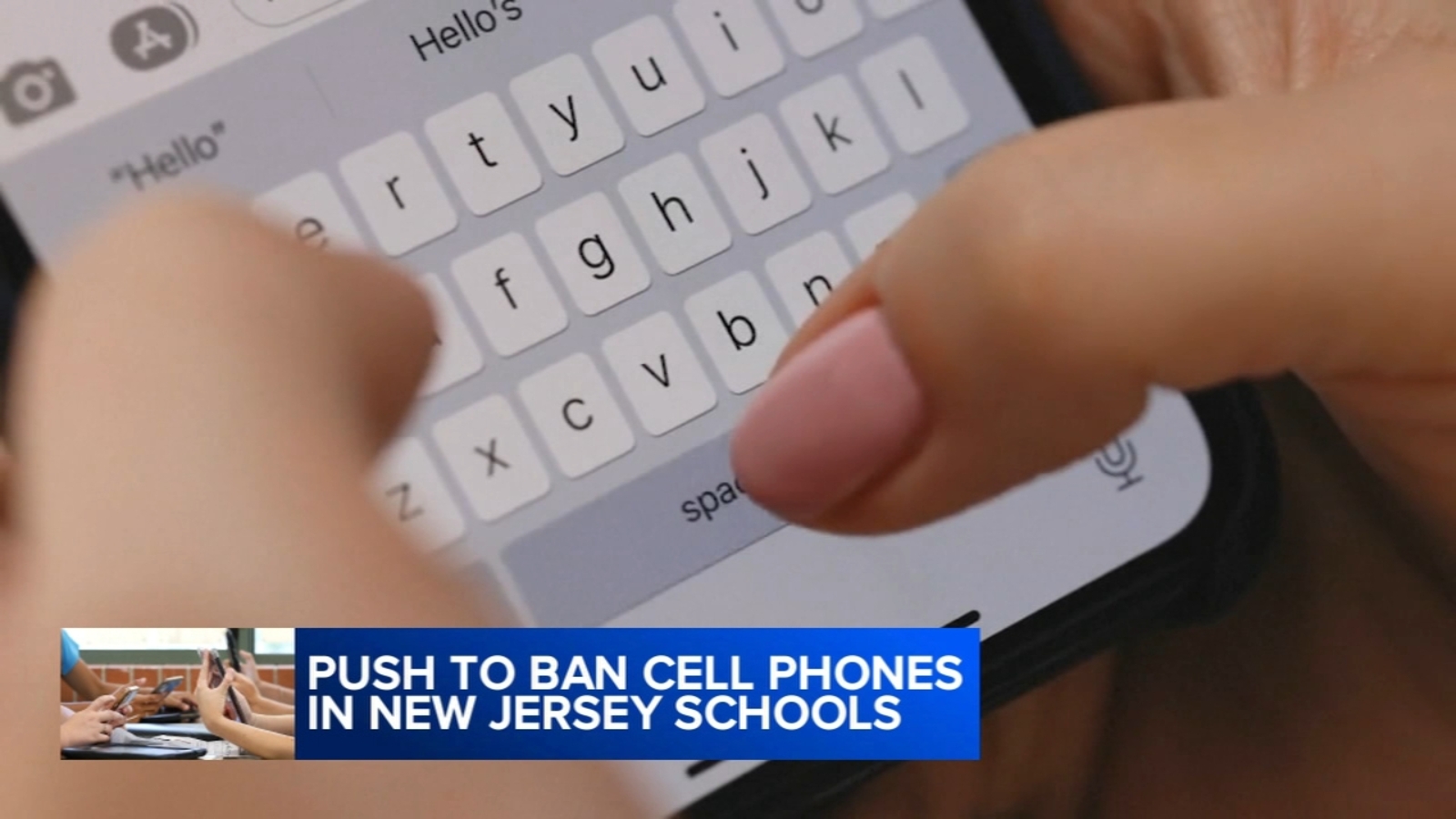
New Jersey is taking a bold step toward creating cellphone-free schools across the state. Governor Phil Murphy recently unveiled a $3 million proposal designed to help school districts adopt technology and strategies that restrict student cell phone use during school hours. The announcement, made at Woodbury Junior-Senior High School, highlights a growing national conversation about how smartphones impact learning, mental health, and the overall school environment.
As classrooms increasingly grapple with the distractions that come with constant connectivity, New Jersey’s initiative could serve as a blueprint for other states looking to reclaim student attention and well-being. Here’s what the proposal means, how it works, and why it matters.
Woodbury Junior-Senior High School: A Model for Success
The choice of Woodbury Junior-Senior High School as the backdrop for Governor Murphy’s announcement was deliberate. The school implemented a cell phone ban at the start of the 2024-2025 academic year, and early results suggest the experiment is paying off.
“This is working for Woodbury,” Governor Murphy stated during his visit. The school’s approach involves requiring students to store their phones in specialized locking pouches at the beginning of each day. These devices remain sealed until the final bell rings, returning access to students only after school hours.
By spotlighting this school, the governor offered a real-world example of what phone-free school programs can achieve. Woodbury’s experience demonstrates that removing cell phones from the equation doesn’t create chaos; rather, it can foster a more focused and engaged learning community.
Inside the $3 Million Proposal
The proposed funding, included in New Jersey’s 2026 budget, would allocate $3 million in grants to school districts interested in pursuing similar school cell phone policy reforms. Importantly, the grant isn’t a one-size-fits-all mandate.
“Not every school will do the pouches,” Governor Murphy noted. “There are other models that work. This is clearly working here.”
The flexibility built into the proposal recognizes that districts have unique needs, populations, and infrastructure. Some schools may opt for magnetic locking pouches like those used at Woodbury. Others might choose phone storage caddies, signal-blocking bags, or even classroom-level phone collection systems. The grant money is meant to support exploration and implementation of whatever approach best suits each community.
How Phone-Free Programs Actually Work
While the specific mechanisms vary, most cellphone-free schools rely on a few common strategies to enforce restrictions throughout the school day.
Lockable Pouches
The Yondr pouch system, which Woodbury uses, has become one of the most popular methods nationally. Each student receives a pouch at the start of the day. Upon entering the school, students slip their phone inside and lock the pouch using a magnetic seal. The pouch cannot be opened without a designated unlocking station, typically located at the school’s exit. Students carry their phones throughout the day in a non-functional state.
Alternative Enforcement Models
Beyond pouches, schools have experimented with:
- Phone storage caddies: Classroom-level bins where phones are placed during instruction periods.
- Off-and-away policies: Rules requiring phones to be powered off and stored in backpacks, with disciplinary consequences for violations.
- Signal-blocking lockers: Designated storage areas with technology that prevents phone use.
- Bell-to-bell bans: Restrictions covering the entire school day, including lunch and passing periods.
Each model has strengths and challenges, which is why the New Jersey grant program allows districts to evaluate options before committing.
What Students Are Saying
Perhaps the most compelling endorsement for phone-free school programs comes from the students themselves. During Governor Murphy’s visit, several Woodbury students shared their honest reflections on life without constant phone access during the school day.
“This year, because I don’t have the phone on me, I am more attentive,” said Neliko Adian, one of the students at the school. Her testimony reflects a common theme among peers, many of whom report improved concentration and engagement in class.
Another student offered a particularly insightful perspective: “It gives me a free mind through the day. It helps with your mental health.” This sentiment aligns with a growing body of research linking smartphone use to rising rates of anxiety, depression, and attention difficulties among adolescents.
The digital wellness benefits students describe aren’t just anecdotal. Educators and psychologists have increasingly raised alarms about the impact of unrestricted smartphone access on developing brains, making school-based interventions a logical and timely response.
Addressing the Parental Concerns
Despite the enthusiasm from educators and students, the idea of cellphone-free schools hasn’t escaped criticism. The most prominent concern comes from parents who worry about losing the ability to reach their children during emergencies.
This is a legitimate worry, and one that school administrators have worked hard to address. At Woodbury, parents emphasized that the school’s communication infrastructure provides reassurance.
“The contact isn’t an issue for me because the school has everyone inside a database, where one click, it goes to everybody,” explained Nefesa Davis, a Woodbury parent. Mass notification systems, clearly posted office phone lines, and emergency protocols mean parents can still reach their children through proper school channels, even when phones are locked away.
The shift in mindset required is real, but many families find that the trade-off, gaining a more focused, less anxious child during school hours, is well worth the adjustment.
The Broader Case for Cellphone-Free Schools
New Jersey’s $3 million push is part of a wider national movement. States including Florida, Indiana, Ohio, and Pennsylvania have already passed or proposed legislation restricting phone use in classrooms. Schools in California, New York, and beyond are experimenting with similar programs, often with positive early results.
The momentum reflects a recognition that smartphones, while powerful educational tools, can also be profound distractions when left unregulated. Research consistently shows that even the presence of a phone, face-down and silent, can reduce cognitive performance and split students’ attention.
For schools on the fence, the New Jersey school grants could provide the financial runway needed to pilot a program and gather their own data.
What This Means for New Jersey Families and Educators
The $3 million investment signals more than just funding. It represents a philosophical shift in how the state views technology in the classroom. By making cellphone-free schools more accessible through grants, New Jersey is acknowledging that classroom technology decisions shouldn’t be left solely to individual districts with varying budgets.
For parents, this could mean more conversations with their children about screen time, attention, and mental wellness. For teachers, it offers a renewed opportunity to engage students without competing with the pull of social media notifications. And for students, it may be the gift of presence, being fully present in their learning, friendships, and growth during the school day.
As the 2026 budget process unfolds, all eyes will be on whether the proposal survives intact and which districts step forward to take advantage of the funding.
Looking Ahead
New Jersey’s $3 million proposal for cellphone-free schools is more than a budget line item. It’s a statement about priorities. By investing in programs that remove distractions and promote mental well-being, the state is betting that students learn best when their minds aren’t tethered to a glowing screen.
Woodbury Junior-Senior High School has shown what’s possible when a community commits to the change. Now, with financial support on the table, other New Jersey districts have a rare opportunity to follow suit. Whether through lockable pouches, storage caddies, or alternative models, the message is clear: the path to better learning environments may run through fewer notifications, less scrolling, and a whole lot more presence.
For families, educators, and policymakers watching this unfold, one thing is certain. The conversation about cellphones in schools is no longer theoretical. It’s happening now, in classrooms across New Jersey, and the results are beginning to speak for themselves.