
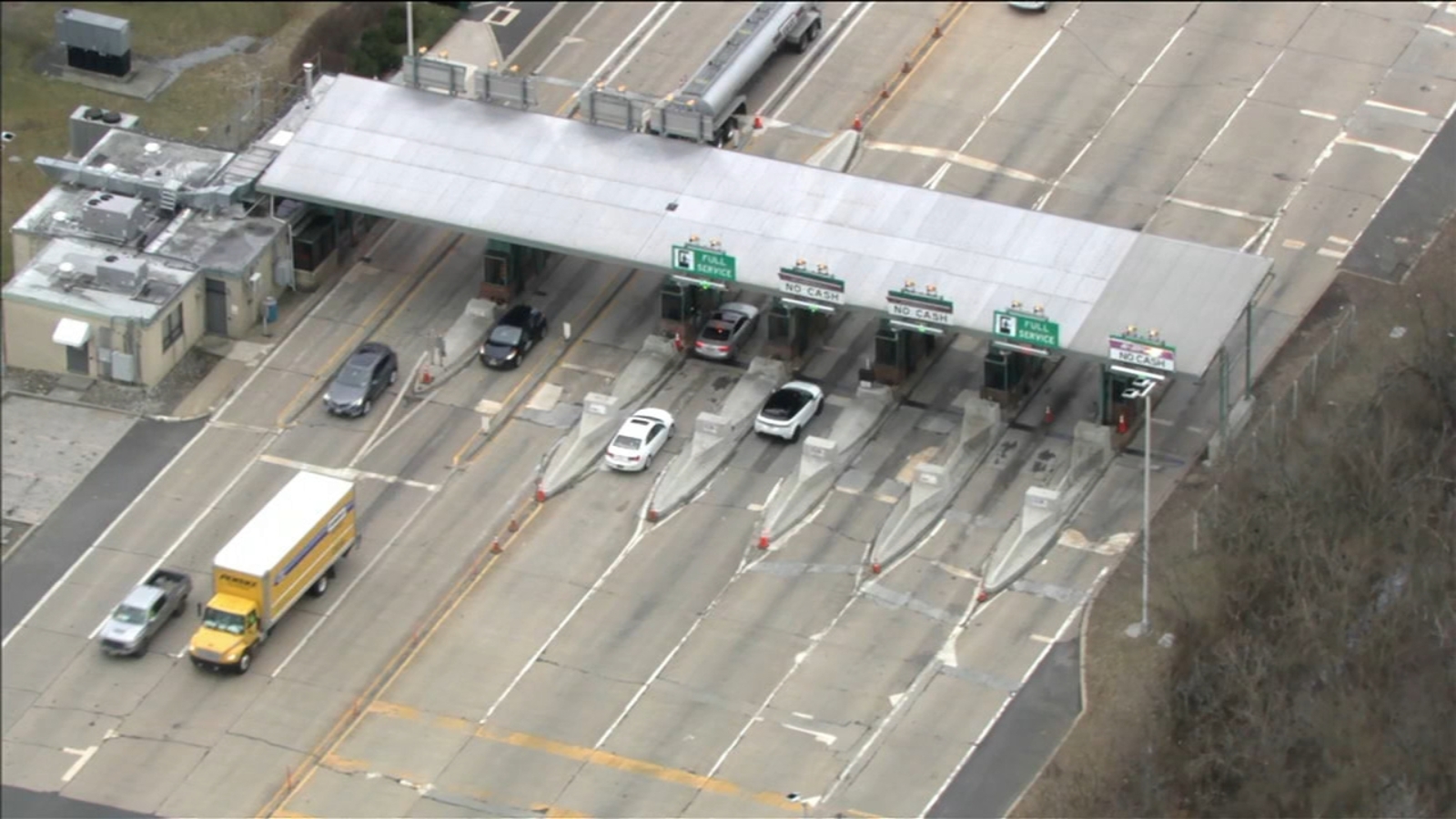
If you regularly drive on the New Jersey Turnpike or the Garden State Parkway, your wallet is about to feel a little lighter. The next New Jersey toll hike takes effect Monday, January 5, 2025, raising rates by 3% on both major roadways. This marks the fifth toll increase since 2020, continuing a steady climb that has become familiar to Garden State commuters. In addition, the Atlantic City Expressway is transitioning to a fully cashless system on the same day, meaning drivers will need either an E-ZPass transponder or a registered license plate to keep moving.
This guide breaks down everything you need to know about the upcoming New Jersey Turnpike toll increase and the Garden State Parkway toll rates change, including what it means for your daily commute and how to prepare.
What Drivers Can Expect From the January 2025 Toll Increase
The New Jersey Turnpike Authority has confirmed that both the New Jersey Turnpike and the Garden State Parkway will see a 3% toll increase beginning at 12:01 a.m. on Monday, January 5, 2025. While 3% may sound modest on paper, it adds up quickly for commuters who travel these roads daily and for commercial trucking companies that depend on these corridors.
For example, a driver who previously paid a specific toll at a given plaza will now pay roughly 3% more, with the increase applied across all vehicle classes, time periods, and entry-exit combinations. The adjustments are designed to keep pace with rising maintenance costs, capital improvement projects, and the authority’s overall debt obligations.
Here is a quick overview of what is changing:
- New Jersey Turnpike: All toll rates increase by 3%, affecting both cash and E-ZPass customers (though E-ZPass users continue to enjoy the discounted rates).
- Garden State Parkway: All toll rates increase by 3% across the board.
- Atlantic City Expressway: Toll booths are eliminated entirely, replaced with overhead gantries using E-ZPass or license-plate billing.
Why Tolls Keep Going Up in New Jersey
This latest hike is the fifth toll increase since 2020, a fact that has frustrated many Garden State residents. Several factors contribute to the consistent upward pressure on toll rates:
- Infrastructure costs: Major capital projects, including bridge and roadway rehabilitation, require substantial investment.
- Debt service: The Turnpike and Parkway authorities have issued bonds to fund improvements, and those must be repaid through toll revenue.
- Operating expenses: Like every business, toll road authorities face rising labor, materials, and technology costs.
- Reduced cash transactions: As more drivers switch to E-ZPass, toll authorities must invest in electronic systems and enforcement technology.
The cumulative effect of these annual increases has transformed what used to be a relatively affordable commute into a notable line item in many household budgets.
The Atlantic City Expressway Goes Cashless
Perhaps the most disruptive change hitting New Jersey drivers on January 5 is not the rate hike at all, but the elimination of cash tolling on the Atlantic City Expressway. After the deadline, drivers will no longer be able to hand cash to a toll booth attendant or drop coins into a basket.
Instead, the expressway will operate as an all-electronic toll collection system. There are two ways to pay:
- E-ZPass: If you already have an E-ZPass transponder, your account will be charged automatically as you drive under the overhead gantries. This is typically the cheapest option, as E-ZPass users receive discounted rates compared to cash customers on the Turnpike and Parkway.
- License plate billing (Toll-by-Mail): If you do not have E-ZPass, cameras will photograph your license plate and the registered owner will receive a bill in the mail. Be aware that these bills often include an administrative fee on top of the base toll, making this the more expensive option over time.
For occasional expressway users, this transition could come as an unwelcome surprise if they are accustomed to paying cash. Now is the time to consider opening an E-ZPass account to avoid the higher Toll-by-Mail rates.
How to Get an E-ZPass in New Jersey
New Jersey residents have several convenient options to obtain an E-ZPass transponder before the January 5 deadline:
- Online: Visit the official E-ZPass NJ website to sign up and have a transponder mailed to your home.
- By phone: Call the E-ZPass NJ customer service center to request a transponder.
- In person: Stop by any E-ZPass NJ service center, including locations in Newark, Cherry Hill, East Brunswick, and other cities across the state.
- At participating retail locations: Many AAA offices and other partners sell E-ZPass On-the-Go transponders that can be activated immediately.
Most accounts require a small initial prepaid balance, but the long-term savings typically outweigh the upfront cost, especially with cashless tolling now expanding across the state.
How to Calculate Your New Toll
If you want to know exactly how the New Jersey toll hike will affect your commute, the New Jersey Turnpike Authority provides online toll calculators on its website. Drivers can input their entry and exit points, vehicle class, and payment method (E-ZPass or cash) to estimate the new cost.
For quick reference, here is a simplified example to illustrate the impact of a 3% increase:
- If your current toll is $2.00, your new toll will be approximately $2.06.
- If your current toll is $5.00, your new toll will be approximately $5.15.
- If your current toll is $10.00, your new toll will be approximately $10.30.
For a commuter who pays $10 in tolls each way, that’s roughly $20 extra per month, or about $240 per year. Multiply that across a household with multiple drivers, and the financial impact becomes substantial.
Impact on Daily Commuters and Commercial Drivers
No group feels the sting of a toll increase more than daily commuters who rely on the Turnpike or Parkway for their workday journeys. Even a small percentage increase compounds over weeks, months, and years of repeated trips. Many New Jersey workers have already begun carpooling, adjusting work schedules to avoid peak hours, or exploring public transit alternatives as tolls continue to climb.
Commercial trucking companies, in particular, face mounting pressure from the latest Garden State Parkway toll rates change. Higher per-trip costs eat into thin profit margins, and many carriers have begun adjusting routes or surcharging customers to offset these expenses. Consumers often see the impact indirectly through higher prices on goods shipped through the region.
Tourists and weekend travelers should also plan ahead. Anyone heading to the Jersey Shore, Atlantic City, or other Garden State destinations should expect to pay slightly more for the privilege, and cash-only travelers should make sure they have a payment method that works with the new cashless systems.
Practical Tips to Minimize the Impact
While you cannot avoid tolls entirely on many New Jersey roads, there are a few strategies to soften the blow of the upcoming hike:
- Open an E-ZPass account: Discounted E-ZPass rates can save you significantly compared to cash or Toll-by-Mail options, especially over time.
- Monitor your account: Keep your E-ZPass account funded to avoid violation fees and ensure seamless travel.
- Plan your route: Sometimes a slightly longer route on non-tolled roads can save money if the time difference is minimal.
- Consider carpooling: Sharing rides with coworkers or friends can split toll costs and reduce vehicle wear.
- Check for HOV discounts: Some toll facilities offer reduced rates for carpool vehicles during off-peak hours.
Looking Ahead: What This Means for New Jersey Drivers
The January 2025 New Jersey toll hike is part of a broader trend that shows no signs of slowing. With infrastructure needs growing and modernization projects continuing, drivers should expect periodic rate adjustments in the years ahead. The transition to all-electronic tolling on the Atlantic City Expressway also signals a statewide shift away from cash transactions, a trend already completed on portions of the Turnpike and Parkway.
For now, the best thing drivers can do is stay informed. Bookmark the New Jersey Turnpike Authority’s website, check the E-ZPass NJ portal regularly, and budget accordingly for the slight uptick in commuting costs beginning January 5. Whether you are a daily commuter, an occasional road-tripper, or a commercial operator, a little preparation goes a long way toward navigating the new toll landscape.
The bottom line? Your commute just got a little more expensive, but with the right tools and planning, you can minimize the impact on your wallet while keeping your travels running smoothly through the Garden State.