
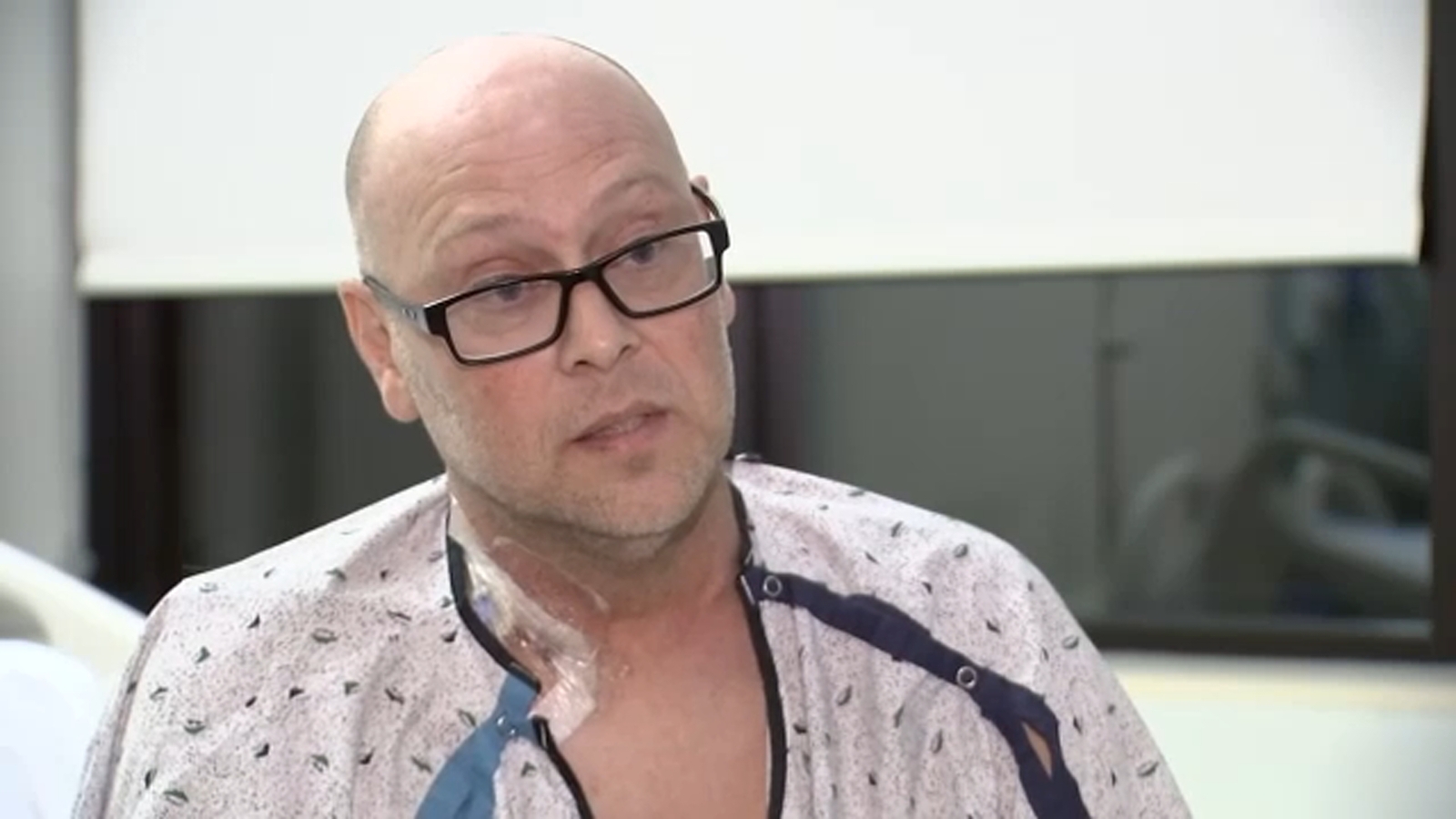
When 49-year-old Peter Atkinson of North Wales, Pennsylvania, first began feeling unwell in mid-December, he assumed it was simply the flu. Within hours, that assumption would prove dangerously wrong. Atkinson was ultimately diagnosed with necrotizing fasciitis, a rare and aggressive flesh-eating bacterial infection that has since kept him hospitalized, fighting for his life at Doylestown Hospital. His story serves as a sobering reminder of how quickly this devastating condition can escalate from mild symptoms to a life-threatening medical emergency.
What Is Necrotizing Fasciitis?
Necrotizing fasciitis is a serious bacterial infection that destroys the soft tissue beneath the skin, including the fascia , the connective tissue that surrounds muscles, nerves, and blood vessels. Often referred to in the media as a “flesh-eating disease,” this rare condition can progress at an alarming rate, making early diagnosis absolutely critical. According to medical experts, the infection spreads so quickly that tissue death (necrosis) can occur within hours of the initial onset.
Several types of bacteria can cause necrotizing fasciitis, with Group A Streptococcus being one of the most common culprits. The bacteria typically enter the body through a break in the skin, even something as minor as a small cut, scrape, or insect bite. In some cases, however, the entry point cannot be identified, which makes prevention particularly challenging.
Why Early Recognition Is Crucial
One of the most dangerous aspects of necrotizing fasciitis is that its early symptoms often mimic those of less serious illnesses. Patients frequently dismiss their initial discomfort as a pulled muscle, the flu, or a routine skin infection , only to discover far too late that they are facing a true medical emergency. The mortality rate for this infection remains alarmingly high, with some studies suggesting that between 20% and 40% of those infected do not recover, even with aggressive treatment.
Peter Atkinson’s Terrifying Ordeal
Atkinson’s experience began with a sudden spike in fever , his temperature reportedly climbed to a staggering 104 degrees. Along with the fever, he noticed a concerning mass developing in his chest area. It was these warning signs that prompted him to seek medical attention, a decision that likely saved his life.
Reflecting on his experience, Atkinson expressed profound gratitude for the rapid response from the medical team at Doylestown Hospital. Within moments of examining his condition, physicians determined that emergency intervention was necessary.
“I showed them, and it was like, wow, not even five minutes later, he came and said, ‘We have to do emergency surgery. We’re going to intubate you,'” Atkinson recalled.
That swift decision to move forward with emergency surgery proved pivotal. Without immediate surgical intervention to halt the spread of infection and remove necrotic tissue, outcomes for patients with necrotizing fasciitis are almost universally fatal.
Complications and Setbacks
Despite the initial emergency surgery, Atkinson’s battle was only starting. The infection progressed to sepsis , a life-threatening response to infection that can cause organ failure , and his kidneys began to shut down. These complications necessitated the use of dialysis and additional medical interventions to stabilize his condition.
His sister, Marietta Atkinson, described the emotional weight of watching her brother fight for his life, particularly given the family’s painful history with sepsis. The family lost another sister to sepsis back in 2016, making Peter’s illness feel like a haunting repeat of an earlier tragedy.
“Probably one of the most traumatic events in our life, second traumatic event. In 2016, we lost our sister to sepsis, very similar to what Pete had,” she shared.
Recognizing the Warning Signs of Necrotizing Fasciitis
Medical professionals emphasize that awareness of symptoms is one of the most powerful tools in fighting this infection. The early signs often overlap with more common conditions, but certain combinations should prompt immediate medical evaluation:
- Severe pain that seems disproportionate to any visible injury , This is often one of the earliest and most telling warning signs.
- Rapidly spreading redness, swelling, or warmth around a wound or skin lesion.
- High fever accompanied by chills and general malaise.
- Skin discoloration , The affected area may develop purple or dark patches as tissue begins to die.
- Blisters, ulcers, or black spots on the skin surface.
- Dizziness, fatigue, or confusion as the infection spreads and sepsis develops.
Because these warning signs can evolve quickly, anyone experiencing a combination of these symptoms , particularly following any type of skin injury , should seek emergency medical care without delay.
The Emotional Impact on Families
Beyond the physical toll, necrotizing fasciitis exacts a profound emotional toll on families. Atkinson’s wife, Sherri Paulson-Atkinson, opened up about the heartache of watching her husband , a man she described as a tireless worker and natural fighter , lying helpless in a hospital bed.
“My husband is a fighter, he’s a go-getter, he is always busy, and to see him laying there like that was really hard for me,” she said.
Her words capture what so many families of critically ill patients experience: the painful contrast between the loved one’s vibrant, active life and the vulnerability of their current condition. For spouses, parents, and siblings, the experience can be both emotionally exhausting and deeply isolating.
A Community Rallies Together
As Atkinson continues his recovery, the financial and emotional realities of his hospitalization have begun to set in. As the owner of a towing company, Atkinson has been unable to work for the foreseeable future, leaving his family without their primary source of income during what will likely be an extended recovery period.
In response, a friend launched an online fundraiser to help support the family. The campaign has already raised approximately $13,000 , a figure that has left Atkinson overwhelmed with gratitude.
“The amount of people that have touched me just in the last couple of days , I can’t fathom the help,” Atkinson said.
This kind of community support often makes a critical difference for families facing catastrophic medical events. Beyond the financial assistance, the outpouring of generosity serves as a reminder of the human capacity for compassion during times of crisis.
The Long Road to Recovery
Recovery from necrotizing fasciitis is rarely swift. Most require multiple operations, weeks or months of hospitalization, extensive wound care, and lengthy rehabilitation. Even after the infection is fully controlled, patients often face long-term complications, including scarring, limited mobility, and lingering pain.
For Atkinson, the journey ahead includes additional surgical procedures, continued dialysis as his kidneys recover, and eventual transfer to a rehabilitation facility where he can rebuild his strength and independence. While his family remains focused on his recovery, the path forward is undeniably long.
Key Takeaways and Awareness
Peter Atkinson’s story, while deeply personal and unique, carries broader lessons for everyone. Necrotizing fasciitis may be classified as rare, but as Atkinson himself pointed out, rarity is little comfort when it happens to you or someone you love.
Some important takeaways include:
- Never ignore rapidly worsening symptoms. What seems like the flu can quickly become something far more dangerous.
- Seek immediate emergency care if you experience severe pain, swelling, or fever following any skin injury.
- Trust your instincts. Patients and families who advocate for aggressive care often have better outcomes.
- Recognize that recovery is a marathon, not a sprint. Survivors of necrotizing fasciitis require extensive ongoing medical support.
Conclusion
The battle against necrotizing fasciitis is one that thousands of patients and families face every year around the world. Peter Atkinson’s story from Montgomery County, Pennsylvania, serves as both a cautionary tale and a testament to resilience , a reminder of how swiftly this infection can change lives, but also of the incredible strength of patients, families, and communities in the face of overwhelming odds. As Atkinson continues his recovery, his words of thanks to the medical team at Doylestown Hospital echo a universal truth: when it comes to this devastating flesh-eating infection, every minute matters, and early intervention can mean the difference between life and death. His journey also highlights how essential community compassion is during medical emergencies , and how vital it remains for all of us to stay informed about the warning signs, so that if we ever face this rare but real danger, we know exactly when to act.