
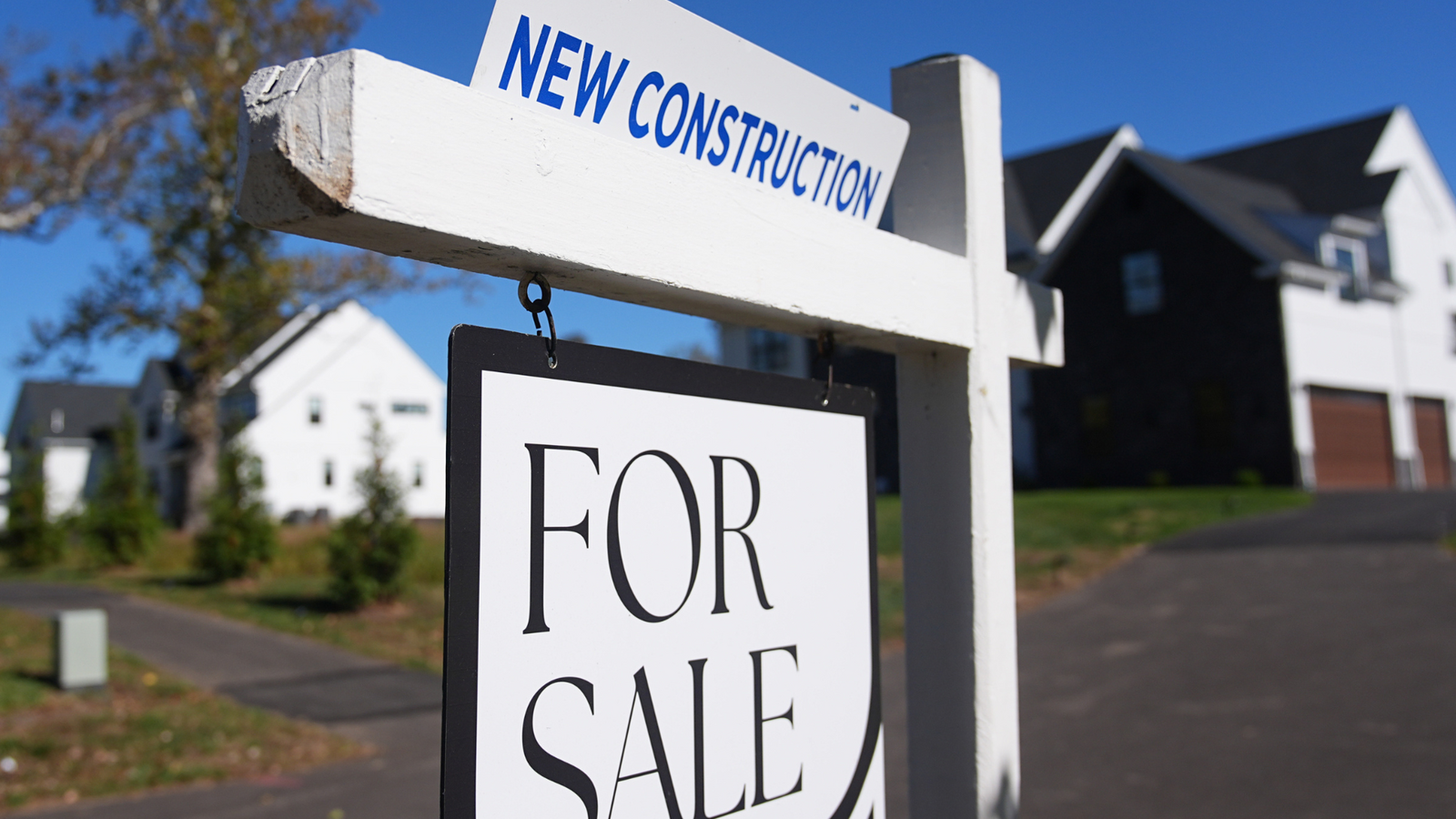
The U.S. housing market received another dose of unwelcome news this week as the average mortgage rates climbed to their highest level in a year. The benchmark 30-year fixed mortgage rate jumped to 6.66%, marking the fourth consecutive week of increases and signaling continued headwinds for prospective homebuyers hoping for relief from elevated borrowing costs.
This latest surge represents a significant shift from earlier this year when rates briefly dipped below 6% for the first time since late 2022. The reversal has reignited concerns about housing affordability and threatens to deepen the prolonged slump in the national real estate market.
The Latest Numbers: Where Rates Stand Now
According to data released by Freddie Mac, the 30-year fixed mortgage rate climbed from 6.58% the previous week to 6.66%. While this figure remains slightly lower than the 6.72% recorded one year ago, the upward trajectory has captured the attention of economists, lenders, and would-be buyers alike.
The 15-year fixed mortgage rate, a popular option for homeowners looking to refinance, also rose. That average climbed to 6.04%, up from 5.96% the prior week. A year ago, the 15-year rate was at a more attractive 5.85%, making the current environment noticeably more expensive for refinancers.
The 30-year rate has now reached its highest point since July 31, 2025, when it touched 6.72%. The rapid climb from sub-6% territory in late February to the current level represents one of the sharpest short-term increases in recent memory.
A Quick Comparison of Current Mortgage Rates
- 30-year fixed mortgage rate: 6.66% (up from 6.58%)
- 15-year fixed mortgage rate: 6.04% (up from 5.96%)
- 10-year Treasury yield: 4.66% (up from 3.97% in late February)
What’s Driving Mortgage Rates Higher?
Several interconnected forces are pushing mortgage rates upward, and understanding them is essential for anyone tracking the housing market or planning a home purchase.
The Iran Conflict and Oil Prices
The most immediate catalyst has been geopolitical. The ongoing Iran war has driven crude oil prices sharply higher since the conflict began in late February. Energy prices feed directly into inflation expectations, and when investors anticipate rising prices, they demand higher yields on long-term bonds to compensate for the eroding purchasing power of future interest payments.
This dynamic has pushed the 10-year Treasury yield from 3.97% before the conflict to 4.66% at midday Thursday, a substantial move in bond market terms. Because lenders typically price mortgage rates based on the trajectory of the 10-year Treasury yield, the transmission from geopolitical tensions to home loan costs has been remarkably direct.
The Federal Reserve’s Stance
The Federal Reserve left its key short-term interest rate unchanged this week, but the accompanying commentary revealed growing divisions among policymakers. Notably, three regional Fed bank presidents dissented in favor of raising rates to combat persistently high inflation.
This level of disagreement is unusual and significant. It suggests that Fed members are no longer unified in their outlook, and crucially, their next move may not be the rate cut that markets had been hoping for.
“With the Fed signaling that its next move is more likely a hike than a cut, near-term rate relief looks unlikely,” explained Anthony Smith, senior economist at Realtor.com. “Because oil remains the primary channel through which the Iran conflict feeds inflation, a de-escalation and a reopening of the Strait of Hormuz remains the clearest path back toward lower rates.”
It’s worth remembering that the Federal Reserve does not set mortgage rates directly. However, the central bank’s decisions influence bond investor sentiment, which in turn affects the 10-year Treasury yield and, ultimately, the rates lenders offer on home loans.
The Impact on Home Sales and the Housing Market
The relationship between mortgage rates and home sales is straightforward but powerful. Higher rates translate to higher monthly payments, which erode purchasing power and force buyers to either accept smaller homes, look in different neighborhoods, or postpone their purchase entirely.
The data tells a clear story. Seasonally adjusted sales of previously occupied U.S. homes were up just 0.7% from January to June compared with the same period last year. More tellingly, sales are hovering near a 4-million annual pace, well short of the historic norm closer to 5.2 million.
This trend has extended the national housing market slump that began in 2022, when mortgage rates first began climbing from pandemic-era lows. Last year, sales of existing homes were essentially flat and stuck at a 30-year low. The current environment suggests little improvement in the near term.
Mortgage Applications Reflect Buyer Hesitation
The latest mortgage application data confirms that rising rates are giving prospective buyers a reason to pause. According to the Mortgage Bankers Association, total mortgage applications, which include both purchase loans and refinances, fell 6.4% last week compared to the previous week.
“While incoming economic data will continue to shape the outlook for interest rates, elevated borrowing costs remain a challenge this summer for many prospective homebuyers,” said Bob Broeksmit, CEO of the MBA.
What Higher Rates Mean for Borrowers
For anyone considering a home purchase or refinance, even small changes in mortgage rates can have an outsized impact on monthly budgets. On a $400,000 loan, the difference between a 6% rate and a 6.66% rate adds roughly $200 or more per month to the payment. Over 30 years, that’s tens of thousands of dollars in additional interest costs.
This dynamic has fundamentally reshaped the calculus for many families. A household that could comfortably afford a $400,000 home at 6% may find itself priced out at 6.66%, either because the monthly payment exceeds their budget or because they no longer qualify under stricter debt-to-income guidelines.
Strategic Considerations in a Rising Rate Environment
- Lock in rates quickly: With rates trending upward, borrowers who are close to closing should consider locking their rate rather than floating.
- Consider adjustable-rate mortgages (ARMs): For those planning to move within a few years, ARMs may offer lower initial rates than fixed-rate products.
- Explore down payment assistance programs: Local and state programs can help offset affordability challenges.
- Improve credit scores: Even a modest improvement in creditworthiness can yield meaningful rate savings.
- Consider buying points: Paying discount points upfront can lower the effective rate over the life of the loan.
Looking Ahead: The Path to Lower Rates
The outlook for mortgage rates hinges on several evolving factors. The most immediate variable is the trajectory of the Iran conflict and its impact on oil prices. A genuine de-escalation and the reopening of the Strait of Hormuz, through which a significant portion of global oil shipments pass, would likely ease inflation pressures and allow bond yields to drift lower.
On the monetary policy front, the Federal Reserve’s next moves will be closely watched. With inflation stuck above the central bank’s 2% target for more than five years, policymakers face a difficult balancing act between supporting employment and containing price growth. The dissent from three regional Fed presidents suggests that further rate hikes remain on the table, which would likely push mortgage rates even higher.
For the housing market, this means continued stagnation is the most likely near-term outcome. Until borrowing costs ease meaningfully, the combination of affordability constraints and buyer hesitation will likely keep home sales well below historic norms.
Final Thoughts
The rise in mortgage rates to 6.66%, their highest level in a year, underscores how quickly conditions in the housing market can shift. Just months ago, prospective buyers were celebrating the first sub-6% rates since 2022. Today, those same buyers face a much more challenging affordability landscape.
For those navigating the current environment, staying informed and working with experienced lenders and real estate professionals has never been more important. While the path back to lower rates may require geopolitical de-escalation or a clearer shift in Federal Reserve policy, today’s borrowers still have options to make their housing goals a reality, even if those options require more creativity and flexibility than they did a few months ago.