
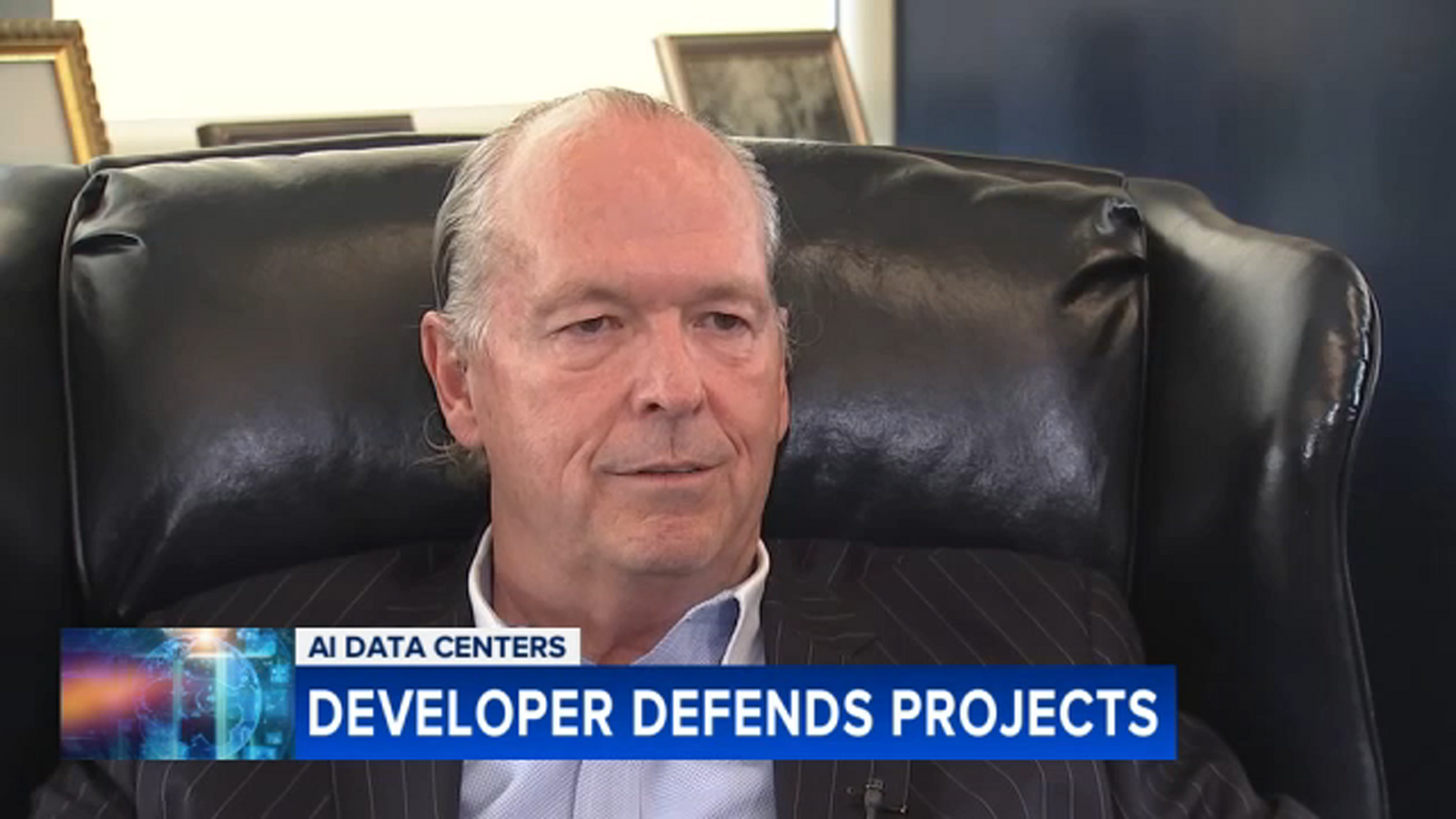
As the demand for artificial intelligence, cloud computing, and digital infrastructure continues to surge, Montgomery County data center developments have become one of the most heated local issues in Pennsylvania. Two massive proposals from developer Brian O’Neill and his company, MLP Ventures, are facing fierce resistance from residents and local officials, igniting a debate that pits economic development against quality-of-life concerns. The controversy surrounding these projects highlights the growing tension between technological progress and community interests in suburban America.
The Two Proposed Projects
MLP Ventures has put forward two ambitious data center projects that would significantly reshape the regional tech landscape. The larger of the two is a sprawling 4.5 million-square-foot data center campus planned for King of Prussia, while a second facility measuring 2 million square feet has been proposed at 900 Conshohocken Road in Plymouth Township. Together, these developments represent billions of dollars in potential investment and would position Montgomery County as a major player in the Mid-Atlantic digital infrastructure market.
Data centers like the ones proposed serve as the physical backbone of modern digital life, powering everything from streaming services and social media platforms to enterprise cloud computing and AI model training. As demand for these services grows exponentially, developers are racing to secure sites in regions with strong power infrastructure, reliable connectivity, and access to major population centers,all qualities that Montgomery County possesses in abundance.
Mounting Community Opposition
Despite the economic promise, both proposals have drawn significant backlash from residents who have packed public meetings to voice their concerns. The opposition has focused on several key issues:
- Noise pollution from cooling systems and generators that operate around the clock
- Light pollution that could disrupt residential neighborhoods and natural ecosystems
- Water consumption concerns, particularly in regions where water resources are increasingly stressed
- Utility cost increases that residents fear could result from increased demand on the local power grid
- Property value impacts for homes located near the proposed facilities
The emotional intensity of these concerns was evident at recent public hearings, where crowds gathered to express their views. Many residents feel that the scale of these projects is fundamentally incompatible with the character of their suburban communities.
The Developer’s Perspective
Brian O’Neill has not shied away from the controversy. In a candid interview, he acknowledged the resistance while expressing unwavering confidence in his projects. When asked whether he hoped to win public support, O’Neill delivered a striking response: he doesn’t expect to win hearts and minds in the current environment, but he fully intends to prevail through the legal and permitting processes.
O’Neill has emphasized that his proposed facilities would incorporate several environmentally conscious design features, including:
- Closed-loop water systems that minimize consumption and eliminate wastewater discharge
- On-site electricity generation that reduces strain on the public utility grid
- Zero light pollution through advanced shielding and directional lighting
- Strict noise compliance that meets or exceeds all local ordinances
According to the developer, modern data centers operate under far stricter standards than facilities built in previous decades, and he believes much of the public criticism stems from outdated perceptions of what data centers actually look and sound like.
Tensions With Plymouth Township Officials
The conflict has escalated particularly in Plymouth Township, where the Township Council announced unanimous opposition to the proposal. Council President Lynne Viscio stated publicly that the applicant rejected more than 40 proposed safeguards and conditions that the township had requested as part of the approval process. This assertion has become a central point of contention in the ongoing dispute.
O’Neill has vehemently denied the council’s claims, calling them “a bald-faced lie.” He maintains that he agreed to most of the township’s requests and that negotiations were still productive. The disconnect between the developer’s account and the township’s characterization illustrates just how deep the communication breakdown has become.
Adding another layer of complexity, members of the Plymouth Township Council have publicly accused O’Neill and his team of intimidation and bullying during the review process. These allegations suggest that the battle over the Montgomery County data center projects has moved beyond typical land-use disagreements into more personal and confrontational territory.
Economic Promises vs. Community Fears
One of the most compelling arguments in favor of the projects centers on their potential economic impact. O’Neill has projected that the developments would create hundreds of construction jobs during the building phase and approximately 800 permanent positions once operational, with nearly 400 of those jobs located on-site. Over a 20-year period, the projects are also expected to generate hundreds of millions of dollars in tax revenue for the host municipalities and school districts.
Additionally, the developer has pointed out that the proposed sites include long-vacant industrial properties that could be revitalized through new investment. For communities struggling with underutilized commercial land, this represents a meaningful opportunity to convert dormant spaces into productive economic engines.
However, community advocates counter that these economic benefits come with hidden costs. They question whether the promised tax revenues will offset potential increases in utility rates, the environmental costs of expanded energy generation, and the long-term impact on neighborhood character. The debate reflects a broader national conversation about how communities should balance the demands of the digital economy with local quality-of-life priorities.
The Path Forward
A Plymouth Township zoning hearing on the proposal was scheduled to begin on a Thursday evening at 7 p.m., with expectations of another large crowd in attendance. These hearings represent a critical juncture in the approval process, as zoning boards will weigh testimony from both the developer and concerned residents before making recommendations to local governing bodies.
Regardless of the immediate outcome, the legal pathway remains complex. Property owners in Pennsylvania have significant rights when it comes to developing their land within zoning regulations, and court challenges from either side appear increasingly likely. O’Neill has made clear his willingness to pursue legal remedies if necessary, stating his commitment to spending whatever it takes to see the projects through.
A National Debate Playing Out Locally
What is happening in Montgomery County mirrors similar battles playing out in communities across the United States. As AI-driven computing demands explode, data center construction has accelerated dramatically, often outpacing local planning frameworks and community engagement processes. Northern Virginia’s “Data Center Alley” provides a cautionary tale, with some communities now grappling with the cumulative effects of rapid, large-scale development.
Communities that have successfully integrated data centers typically point to several key factors: early and transparent communication from developers, meaningful community benefit agreements, robust environmental protections, and ongoing monitoring of operational impacts. Whether MLP Ventures and Montgomery County’s municipalities can find a similar path forward remains to be seen.
Conclusion
The Montgomery County data center controversy represents far more than a simple land-use dispute. It embodies the fundamental challenges communities face as the digital economy reshapes the physical landscape at an unprecedented pace. The outcome of these two proposals will likely set important precedents for how similar projects are evaluated throughout the region and beyond. Whether the path forward leads to collaboration or courtroom battles, one thing is clear: the conversation about responsible data center development in Montgomery County is only just beginning, and all stakeholders will need to engage with empathy, transparency, and a genuine commitment to finding solutions that serve both economic vitality and community well-being.