
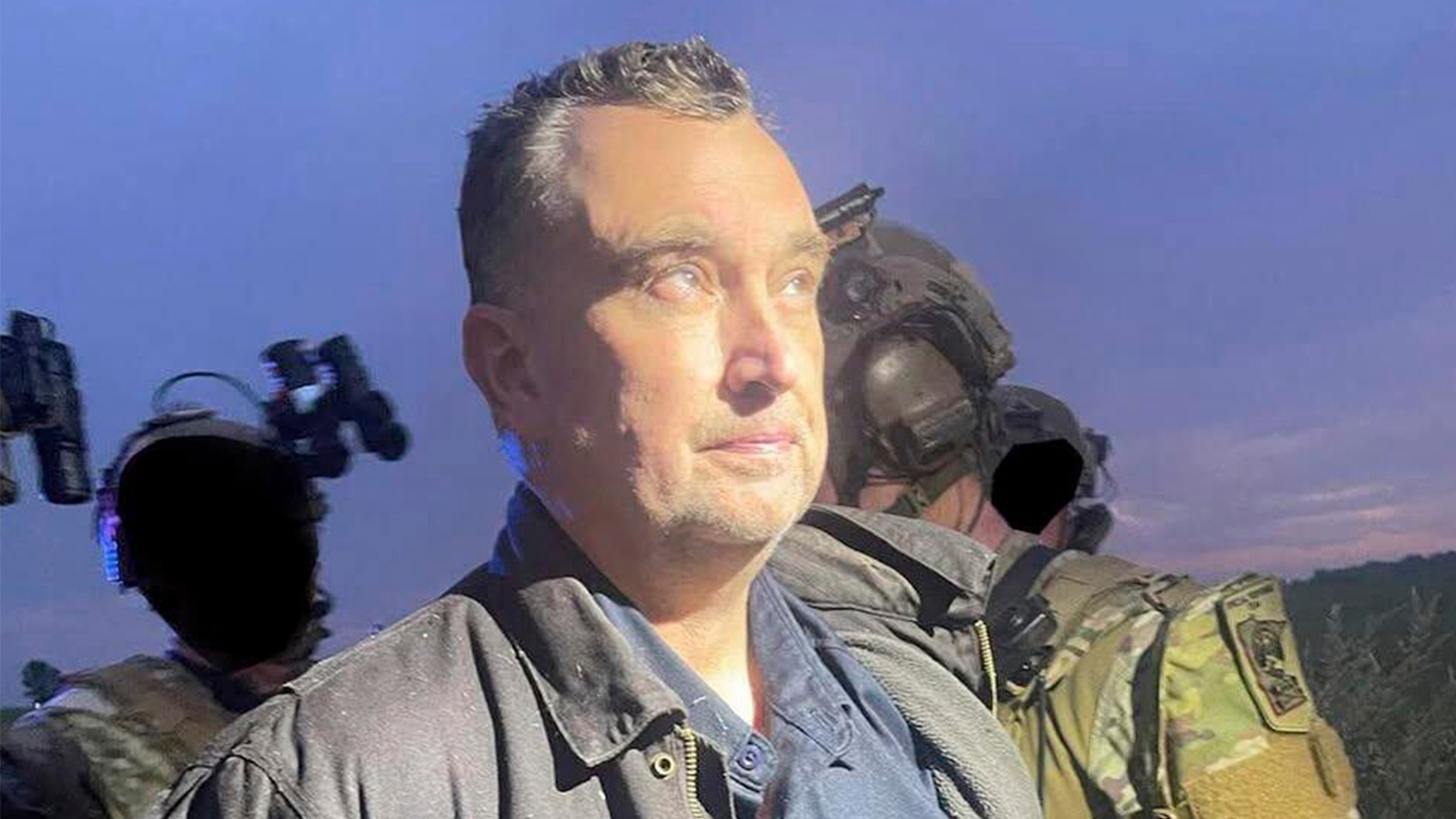
The Minnesota lawmaker shooting case reached its sentencing chapter on Thursday when Vance Boelter, 59, received two consecutive life terms plus 40 years in prison for the murders of House Speaker Melissa Hortman and her husband Mark, as well as the shooting of state Sen. John Hoffman and his wife Yvette. The sentence, the maximum allowed short of capital punishment, closed a deeply painful chapter for Minnesota’s political community, though it left lasting scars on everyone touched by the violence.
Boelter had pleaded guilty in June to six counts related to the politically motivated attacks, accepting a plea deal that spared him from the death penalty in exchange for the harshest alternative sentence available under Minnesota law. The agreement, while delivering accountability, drew visible anger from members of the Hortman family, who struggled with the reality that the killer would spend his remaining years behind bars rather than face execution.
How the Minnesota Lawmaker Shooting Unfolded
The events that led to this sentencing began in the early morning hours of June 14, 2025, when Boelter drove to the homes of Minnesota Democratic lawmakers disguised as a police officer. Wearing a tactical uniform and mask, he arrived at the Hortman residence around 3:30 a.m., rang the doorbell, and announced he was conducting a welfare check.
Mark Hortman answered the door. Boelter provided a fabricated name and badge number before asking him to summon his wife, Melissa, to the door as well. What followed was a calculated execution. Boelter shot Mark multiple times before forcing his way into the home, then fatally shooting the House Speaker as she attempted to flee upstairs. Both Melissa and Mark Hortman were killed.
Earlier that same night, Boelter had visited the home of Sen. John Hoffman and his wife Yvette, shooting and critically injuring both of them. Court documents revealed that Boelter also went to two other lawmakers’ homes that night. In one instance, no one answered the door. In the other, Boelter was frightened off when a real police officer approached his vehicle, believing him to be a fellow officer.
The killings triggered the largest police search in Minnesota state history and ignited a broader national conversation about political violence, the safety of elected officials, and the mental health of those who target them.
Inside the Sentencing Hearing: Victim Impact Statements
During Thursday’s hearing, survivors and family members delivered powerful victim impact statements that laid bare the enduring consequences of Boelter’s actions. Sen. Hoffman spoke about how the violence had reshaped even the most ordinary aspects of his family’s daily existence. They no longer receive mail at home, they have installed solid steel doors, and they have altered countless everyday routines to accommodate the physical and psychological aftermath of being shot.
“The defendant looked me in the eyes and pulled the trigger,” Hoffman told the court. “The defendant looked at my wife and chose to do the same. My wife and I now live with injuries. We live with our bodies remembering the gunfire.”
Yvette Hoffman described being unable to return to work since the attack, attending weekly therapy sessions, and living with the visceral memory of the night she fought for her life. Fighting back tears, she recounted staring down at her own blood streaming across a white washing machine as she collapsed to the floor.
“I fought him, your Honor, with everything I had. And I finally got him out of our home,” she said. “We always have an escape plan now. This isn’t how people should live.”
Democratic State Rep. Kristin Bahner, one of the two other legislators whose homes Boelter visited that night, was spared only because she and her family were on vacation. Her statement captured the emotional weight carried by those who narrowly escaped the same fate.
“I could not fathom why I was spared and she was not,” Bahner said, referring to Hortman. “You failed because I carry her with me. In my mind and in my heart, she guides me.”
The Hortman Family Speaks: Grief, Anger, and a Plea for Dialogue
The Hortman family delivered some of the most emotionally charged statements of the day. Mark Hortman’s sister, Lisa Hortman Bean, directed her frustration not only at Boelter but at the criminal justice system that allowed him to trade the death penalty for a guaranteed life sentence.
“It will not offer me peace of mind that he will have room and board provided for the rest of his life, paid for by my tax dollars,” she told the court.
When Melissa Hortman’s parents and the Hortman children took their turns at the podium, the tone shifted toward remembrance. They painted vivid portraits of Melissa and Mark as devoted parents, loving grandparents, and tireless public servants whose influence touched thousands of lives across Minnesota. Harold Haluptzok, Melissa’s father, repeatedly referred to his daughter as his “little girl” and reflected on what might have been if Boelter had simply chosen a different path.
“It is impossible to realize the damage that has been done not only to our family, but to our society,” Haluptzok said. “I wish the perpetrator would have sat down and talked to Melissa about his political positions… if only he did that before he decided to kill them.”
Throughout the proceedings, Boelter sat almost motionless, wearing orange prison garb and shackled at the ankles. He never looked at the survivors or family members as they described the pain he had caused.
Boelter’s Guilty Plea and the Broader Legal Picture
In June, Boelter admitted in open court that he had spent months identifying and stalking his targets before driving to their homes in the middle of the night with the intent to kill. His guilty plea to all six counts effectively eliminated the possibility of a trial and ensured the maximum sentence short of execution. Prosecutors emphasized that the plea reflected the strength of the evidence against him and spared victims the additional trauma of a prolonged courtroom battle.
Beyond the federal resolution, Boelter also faces state charges, including:
- Two counts of murder
- Four counts of attempted murder
- Impersonating a police officer
- Animal cruelty
The animal cruelty charge stems from the injuries sustained by the Hortman family’s golden retriever during the shootings. The dog was gravely wounded and had to be euthanized, adding another layer of heartbreak to an already devastating case.
In April, the Hoffman family filed a personal injury lawsuit against Boelter, seeking damages for the physical and emotional harm they continue to endure. That civil case will proceed independently of the criminal sentencing.
Aftermath and Ongoing Reflections
The Minnesota lawmaker shooting has had ripple effects well beyond the immediate victims. It has prompted renewed discussions among lawmakers at both the state and federal levels about security protocols for elected officials, the rising tide of political violence in America, and the resources available to those who survive targeted attacks. For the Hoffmans, the Hortman children, and the extended families of both couples, the legal resolution offers a form of closure, but not healing.
Boelter’s sentence ensures he will never again threaten public officials or their families. Yet the haunting details shared in court, the blood on the washing machine, the steel doors, the constant escape planning, serve as a stark reminder of how a single act of political violence can fracture countless lives in ways that no courtroom can fully repair.
Conclusion
The sentencing of Vance Boelter to two consecutive life terms plus 40 years brings a formal end to the criminal proceedings tied to the Minnesota lawmaker shooting, but the legacy of that night will continue to shape Minnesota politics, public safety policy, and the lives of survivors for years to come. As the Hortman and Hoffman families continue to navigate grief and recovery, their courage in confronting the man who shattered their worlds stands as a powerful testament to resilience. Boelter will spend the rest of his life in prison, but the conversations he forced the country to have about political violence, accountability, and the value of dialogue over destruction are only just beginning.