
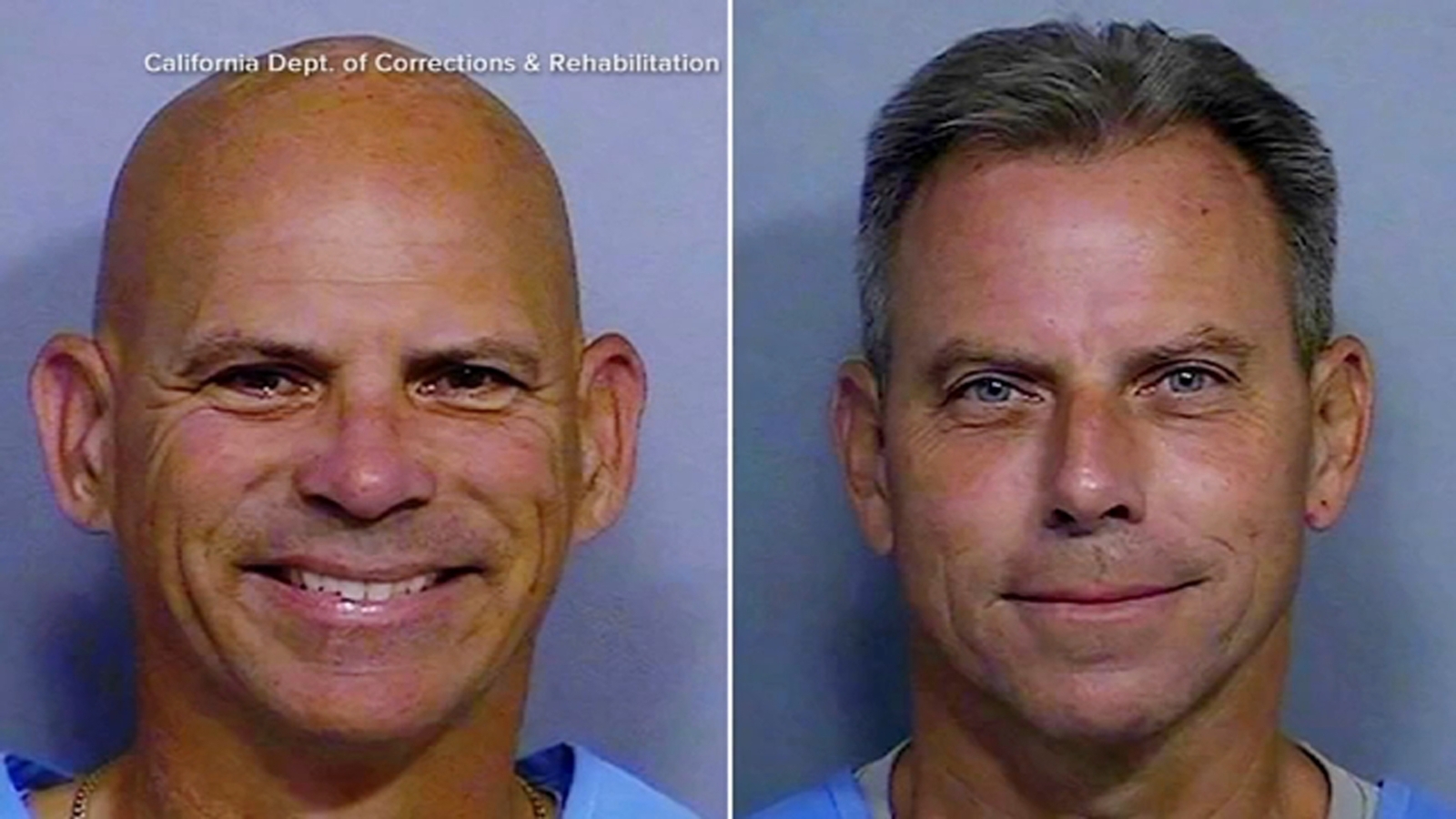
California Governor Gavin Newsom has directed the state’s parole board to conduct an in-depth menendez brothers clemency investigation, instructing officials to determine whether Lyle and Erik Menendez would pose an unreasonable threat to public safety if released from prison. The directive, communicated through a formal letter to defense attorney Mark Geragos, marks a significant development in one of the most closely watched criminal cases in American history.
The governor’s office confirmed that the findings of this risk assessment investigation will be shared with both the court and the Los Angeles County District Attorney, signaling that the evaluation will play a central role in shaping the final clemency decision.
Newsom’s Public Safety Framework for Clemency Decisions
According to the governor’s office, any commutation request undergoes rigorous scrutiny centered on several critical factors. Public safety remains the foremost consideration, but the review process evaluates multiple dimensions of an applicant’s case.
- Current risk level: Officials assess whether the applicant presents a danger to community safety today, decades after the original offense.
- Impact on victims and survivors: The emotional and psychological toll on family members connected to the crime weighs heavily in the decision.
- Self-development and conduct: The applicant’s behavior and personal growth throughout their incarceration form a key part of the evaluation.
- Rehabilitative participation: Investigators examine whether the applicant has engaged meaningfully with available rehabilitation programs and addressed treatment needs.
- Risk mitigation: Officials analyze whether the applicant has taken concrete steps to reduce the likelihood of reoffending.
This comprehensive approach reflects California’s evolving perspective on long-term incarceration and the possibility of rehabilitation, even for those convicted of the most serious crimes.
Three Legal Pathways to Freedom
The Menendez brothers are currently pursuing three distinct legal avenues that could potentially end their decades-long imprisonment. Each path operates independently and carries different legal standards and timelines.
The Clemency Route
The menendez brothers clemency request represents the most direct path to freedom, as it places the decision squarely in the hands of the governor. In November, Newsom indicated he would wait for Los Angeles County District Attorney Nathan Hochman to complete his review and analysis of the case before making any determination. The new directive for a parole board risk assessment represents a concrete step toward resolving that uncertainty.
The Habeas Corpus Petition
Filed in 2023, this petition seeks judicial review based on two pieces of evidence that were not presented during the original trials. The first is a letter Erik Menendez allegedly wrote to his cousin approximately eight months before the murders, in which he detailed allegations of abuse at the hands of his father, Jose Menendez. The second involves claims from a former boy band member who came forward in 2023 to publicly accuse Jose Menendez of sexual assault.
District Attorney Hochman announced that his office has formally asked the court to deny this petition, arguing that the newly introduced evidence fails to meet legal standards for credibility and admissibility. This sets up a significant legal battle over whether decades-old allegations can reopen a decades-old conviction.
The Resentencing Effort
In October, former Los Angeles County District Attorney George Gascón announced his support for resentencing the brothers. Under his recommendation, their sentences of life without the possibility of parole would be modified to 50 years to life. Because both brothers were under 26 years of age at the time they committed the crimes, this adjusted sentence would make them immediately eligible for parole consideration.
Gascón’s office based its recommendation on multiple factors, including the brothers’ documented rehabilitation efforts behind bars and the abuse and trauma that contributed to the crimes. The former district attorney publicly praised the work Lyle and Erik Menendez had done to improve themselves and assist fellow inmates during their incarceration.
However, Gascón lost his bid for reelection shortly after this announcement, and Hochman assumed office on December 3. The new district attorney pledged to review all the facts thoroughly before reaching his own conclusion regarding resentencing. As of now, Hochman has not announced a definitive position on the matter.
A court hearing addressing the resentencing case has been scheduled for March 20 and 21, setting a near-term deadline for these competing legal positions to be aired before a judge.
The Original Case: A Shocking Beverly Hills Tragedy
The Menendez brothers case began in 1989 in their family’s Beverly Hills mansion. Lyle Menendez, then 21 years old, and Erik Menendez, then 18, shot and killed both of their parents, Kitty and Jose Menendez, in the residence. The killings sent shockwaves through the affluent community and captured national media attention for years to come.
The defense team argued that the brothers acted out of self-defense, claiming they had endured years of sexual abuse at the hands of their father. Prosecutors presented an alternative narrative, alleging that the motive was financial inheritance and that the abuse claims were fabricated to justify murder.
The brothers’ first trial ended in a mistrial, with jurors unable to reach a unanimous verdict. A second trial in 1996 resulted in convictions for both men, and they received consecutive life without parole sentences. They have now been incarcerated for more than three decades.
The Role of Mark Geragos and Ongoing Legal Strategy
Defense attorney Mark Geragos, a high-profile California litigator, has represented the Menendez brothers through these various legal challenges. His advocacy has emphasized both the abuse allegations and the brothers’ transformation during their time in prison.
The defense strategy appears to leverage multiple legal theories simultaneously, creating redundant pathways to potential freedom. Even if one avenue fails, the brothers retain the option to pursue the others. This multi-pronged approach has kept the case in active litigation and public discourse for years.
Cultural Impact and Renewed Public Interest
The Menendez case has experienced a significant resurgence in public attention in recent years, driven partly by new documentaries, dramatizations, and the brothers’ own social media presence from prison. A Netflix documentary and subsequent dramatized series brought the case to a new generation of viewers, many of whom approached the evidence with fresh eyes.
Public opinion has shifted notably since the original trials, with many observers expressing greater sympathy for the brothers given the abuse allegations and the extensive time already served. Advocacy groups and family members have organized campaigns supporting both clemency and resentencing, arguing that the brothers have paid their debt to society and demonstrated genuine rehabilitation.
What Happens Next in the Menendez Brothers Case
Several critical dates and decisions loom on the horizon for the Menendez brothers and their advocates. The resentencing hearing scheduled for March will provide the first major opportunity for both sides to present their arguments before a judge. Meanwhile, the parole board’s risk assessment investigation will unfold over the coming weeks and months, generating findings that will inform both the clemency decision and potentially the broader legal strategy.
District Attorney Hochman’s ultimate position on resentencing remains the most significant unresolved question. If he reverses Gascón’s recommendation and opposes resentencing, the brothers’ path to freedom narrows considerably. If he supports it, the legal momentum shifts dramatically in their favor.
The habeas corpus petition also remains active, with the court expected to evaluate whether the new evidence meets the legal threshold for reopening the case. Even if Hochman opposes the petition, a judge retains independent authority to grant relief based on the evidence presented.
Conclusion
The Menendez brothers’ pursuit of freedom has entered a pivotal phase, with Governor Newsom’s directive for a comprehensive parole board risk assessment adding a new dimension to the already complex legal landscape. As the March resentencing hearing approaches and the habeas corpus petition advances through the courts, the next several months will likely determine whether Lyle and Erik Menendez spend the remainder of their lives in prison or have an opportunity to demonstrate their rehabilitation outside prison walls. Regardless of the outcome, this case continues to raise profound questions about justice, accountability, abuse, and the possibility of redemption within the American legal system.