
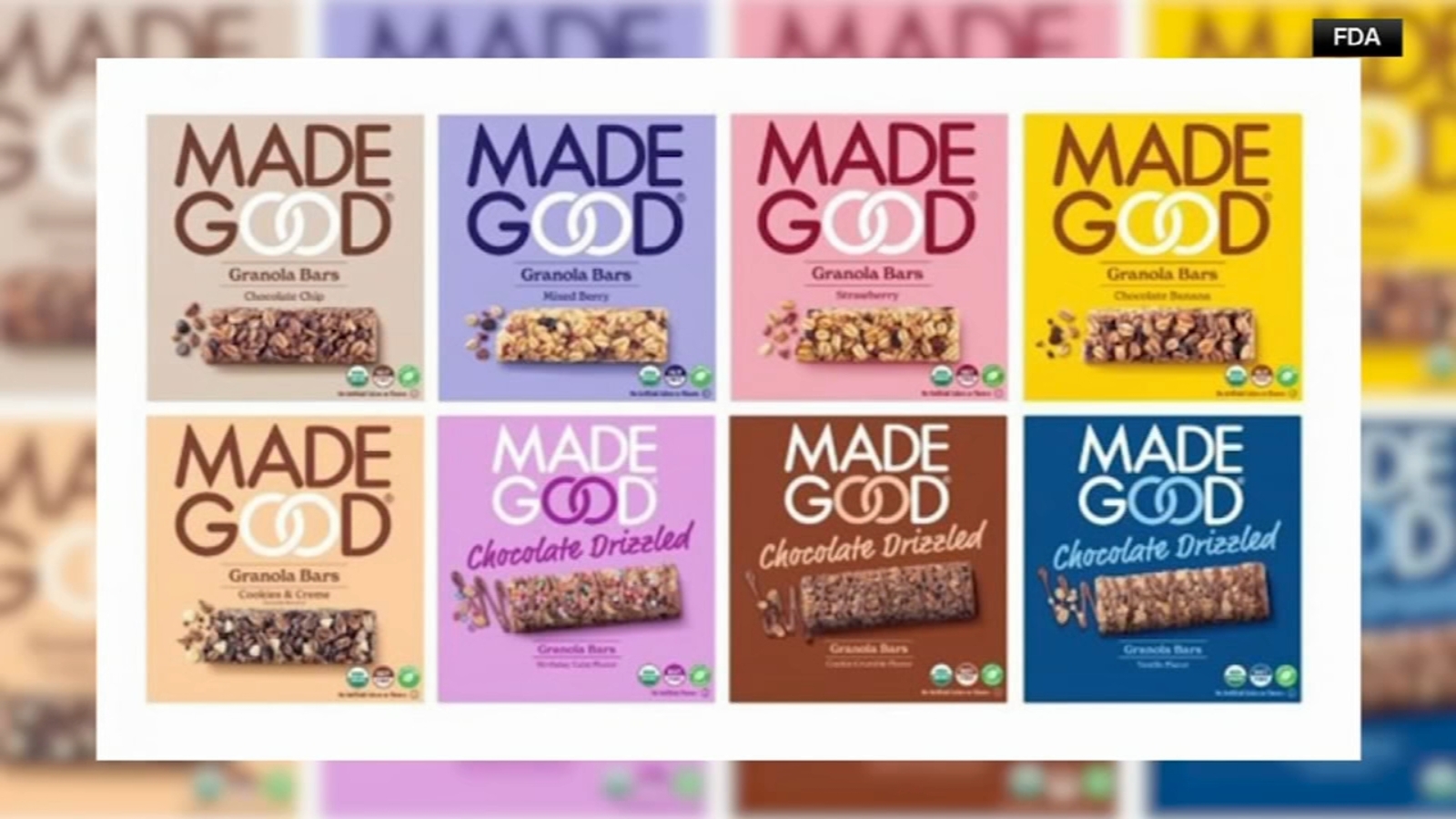
The U.S. Food and Drug Administration has officially classified the recall of more than two million MadeGood granola bars due to potential metal contamination. The recall, which initially began in late 2024, has now been formally categorized as a Class II recall , a designation that signals a moderate level of health risk for consumers. This development has drawn significant attention from parents, health-conscious shoppers, and food safety advocates across North America, as MadeGood products are widely distributed in grocery stores, schools, and online retailers.
In this article, we’ll break down everything you need to know about the MadeGood granola bar recall , from what triggered the recall and which products are affected, to what the FDA classification means for your family’s safety and what steps you should take if you have these products in your pantry.
What Happened: Understanding the MadeGood Granola Bar Recall
Riverside Natural Foods Inc., the company behind the MadeGood brand, voluntarily initiated a recall in December 2024 covering a massive volume of granola bar products. The reason? The possibility that some of the bars may contain foreign metal contaminants , a serious concern that prompted immediate action from the company and a subsequent review by federal regulators.
The scope of this MadeGood granola bar recall is substantial. More than two million individual bars have been pulled from circulation, affecting eight different flavors of MadeGood granola bars that were manufactured between January and November of 2024. These products were distributed across both the United States and Canada, making the recall one of the larger food safety events in recent memory for the natural and organic snack sector.
One reassuring detail in an otherwise concerning situation: as of the recall’s classification, no injuries or illnesses have been reported in connection with the contaminated products. However, the FDA’s formal classification underscores that the risk, while not life-threatening, is real enough to warrant immediate consumer attention.
What Does a Class II Recall Mean?
When the FDA classifies a recall, it uses a tiered system to communicate the level of risk to consumers. Understanding these classifications helps shoppers gauge the urgency of their response.
The FDA Recall Classification System
- Class I: The most serious category , reserved for situations where there is a reasonable probability that use of or exposure to a product will cause serious adverse health consequences or death.
- Class II: The second-highest level , applied when use of or exposure to a product may cause temporary or medically reversible adverse health consequences, or where the probability of serious harm is remote.
- Class III: The lowest level , used when use of or exposure to a product is not likely to cause adverse health consequences.
The MadeGood granola bar recall falling under Class II means that while the metal contamination is not expected to cause severe or permanent harm, it could still lead to temporary health issues. Metal fragments in food can cause cuts to the mouth, throat, or digestive tract, and in some cases may lead to more serious internal injuries depending on the size and sharpness of the contaminant. This makes prompt action important, even though the situation is not at the most critical Class I level.
Which Products Are Affected?
The recall covers eight different flavors of MadeGood granola bars that were produced across an eleven-month window in 2024. While the company and FDA have released detailed lot information, consumers are advised to check the specific lot numbers and best-by dates against the official recall notice to determine whether their products are included.
Key Details About the Recalled Products
- Brand: MadeGood (manufactured by Riverside Natural Foods Inc.)
- Product Type: Granola bars (multiple flavors)
- Production Period: January 2024 through November 2024
- Total Units Recalled: Over 2 million bars
- Distribution: United States and Canada
- Reason for Recall: Possible metal contamination
- Recall Classification: Class II by the FDA
MadeGood has become a popular choice among families seeking allergen-friendly, organic, and non-GMO snack options. The brand markets itself as free from common allergens such as peanuts, tree nuts, and dairy, making it a staple in many homes with children who have dietary restrictions. This widespread popularity is precisely why the scale of this recall is so significant.
Why Metal Contamination in Food Is a Serious Concern
Metal contamination in food products can occur at various stages of the manufacturing process. Common causes include equipment malfunction, wear and tear on production machinery, broken pieces of processing tools, or environmental factors within the production facility. Regardless of the source, the presence of metal fragments in any food item is treated as a serious food safety issue.
Potential Health Risks From Metal Contamination
Consuming food that contains metal fragments can result in several health complications, ranging from mild to severe:
- Oral injuries: Cuts or lacerations to the mouth, tongue, gums, or throat from sharp metal pieces
- Digestive tract injuries: Internal cuts, perforations, or blockages in the esophagus, stomach, or intestines
- Choking hazards: Particularly dangerous for young children and elderly individuals
- Infection risk: Open wounds caused by metal ingestion can become sites for bacterial infection
- Long-term complications: In rare cases, retained metal fragments may require surgical intervention
For these reasons, food manufacturers are typically required to implement metal detection equipment in their production lines, and any failure in these safety systems can trigger exactly the kind of recall we’re seeing with the MadeGood granola bar recall.
What Should Consumers Do?
If you have MadeGood granola bars in your home, it’s important to take immediate steps to determine whether your products are part of the recall. Here’s a practical action plan:
Step 1: Check Your Products
Look at the packaging of any MadeGood granola bars you currently have. Identify the flavor, the production date, and the lot or batch number. Compare these details against the official recall information provided by MadeGood and the FDA. The recall covers products manufactured between January and November 2024, so any bars within that production window should be scrutinized carefully.
Step 2: Stop Consuming the Product
If you discover that your granola bars are part of the recall, do not eat them. Even if the bar appears perfectly fine and you don’t see any visible metal, the contamination may not always be detectable by sight alone. It’s better to err on the side of caution.
Step 3: Follow the Company’s Return or Refund Instructions
MadeGood has established a process for consumers to return recalled products or seek a refund. Visit the company’s official website for detailed instructions on how to handle the affected items. Many recalls offer full refunds or replacement products, so you won’t necessarily be out of pocket.
Step 4: Monitor for Symptoms
If you or a family member has already consumed a product that may have been affected, monitor for any signs of discomfort, pain while swallowing, abdominal pain, or any other unusual symptoms. If symptoms arise, seek medical attention promptly and inform your healthcare provider about the potential metal contamination.
Broader Implications for Food Safety
The MadeGood granola bar recall serves as a powerful reminder that food safety is an ongoing concern, even with reputable and trusted brands. Companies that invest in organic ingredients, allergen-free formulations, and transparent labeling can still face production challenges that compromise product safety. This is precisely why regulatory oversight from the FDA remains a cornerstone of consumer protection in the United States.
For parents in particular, this recall highlights the importance of staying informed about food safety alerts. Organizations like the FDA maintain public databases of recalls, and signing up for notifications can help you stay ahead of potential issues before they affect your household. Several third-party apps and websites also track food recalls in real time, making it easier than ever to verify the safety of the products in your grocery cart.
How MadeGood Is Responding
To their credit, Riverside Natural Foods Inc. took the proactive step of voluntarily issuing the recall in December 2024 , before any injuries were reported. This kind of voluntary action reflects a company taking its responsibility to consumers seriously, even at the cost of significant financial loss from pulling over two million units off the shelves.
The company has also been working closely with the FDA throughout the investigation and recall process. This collaboration is standard practice in the food industry and helps ensure that the scope of the recall is accurately defined, the affected products are efficiently removed from the supply chain, and consumers receive clear and actionable information.
Final Thoughts
The MadeGood granola bar recall is a significant food safety event that deserves the attention of every consumer who has purchased these products. With over two million bars affected across eight flavors and distributed throughout the U.S. and Canada, the scope is wide enough that many households may have impacted items in their kitchens without realizing it. The FDA’s Class II classification indicates a moderate health risk, and while no injuries have been reported so far, taking prompt and informed action is the smartest course of action.
Remember to check your pantry, verify lot numbers, follow the company’s return and refund procedures, and stay vigilant about food safety alerts in general. By staying informed and responsive, you can protect yourself and your family from the potential risks associated with contaminated food products , and ensure that your trust in the brands you buy is well-placed.
For the most up-to-date information on this and other food recalls, always consult the FDA’s official recall database and the MadeGood website directly. Your health and safety are worth the extra few minutes it takes to verify the products you bring into your home.