
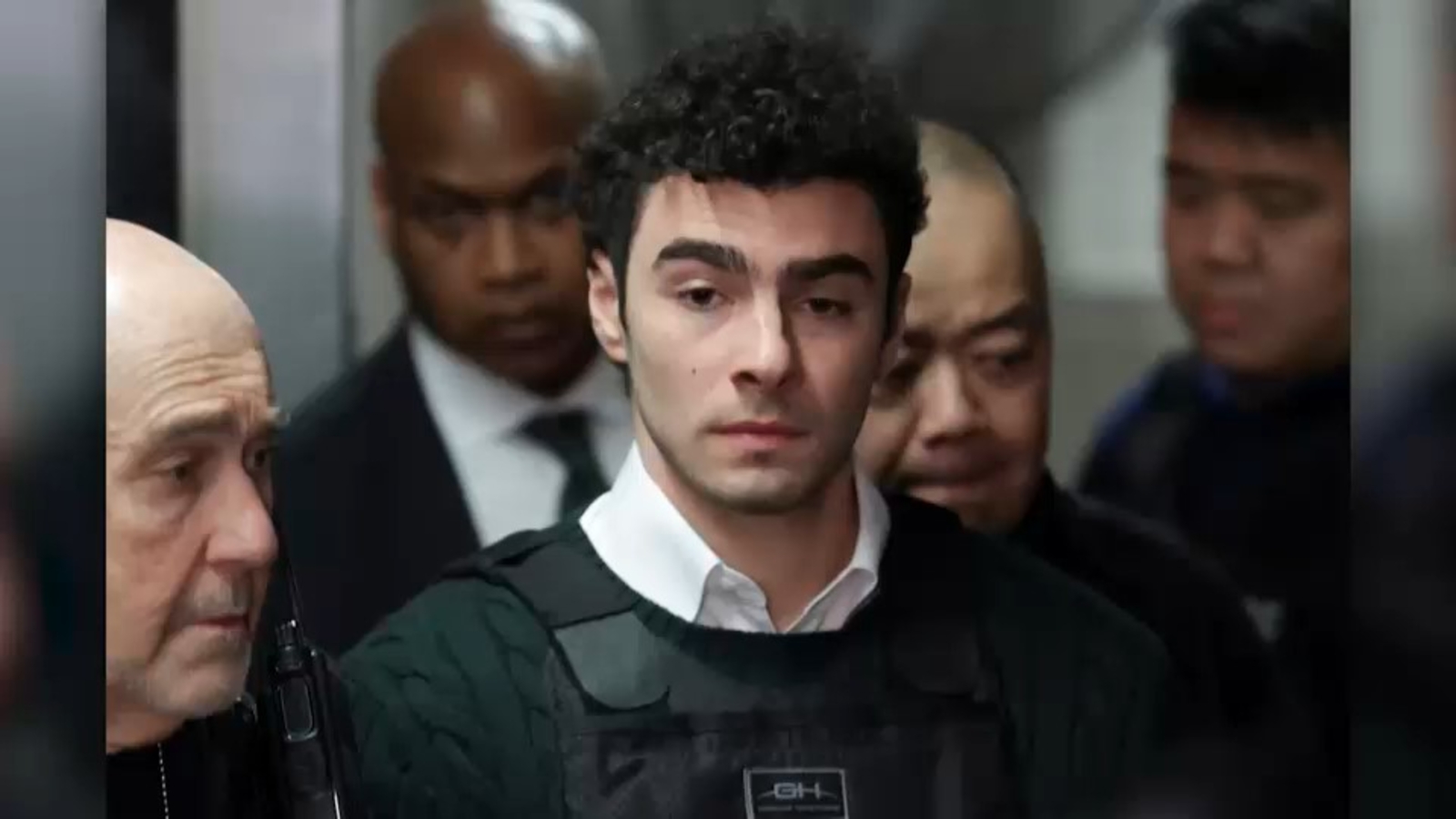
In a development that captures the strange intersection of crime, celebrity, and modern digital culture, Luigi Mangione , the 26-year-old man accused of murdering UnitedHealthcare CEO Brian Thompson , has made an unusual request to the growing community of supporters rallying behind him. From inside the federal detention facility in Brooklyn, Mangione is asking fans to send no more than five photos at a time, a message relayed through a website that has been raising money for his legal defense.
The request offers a fascinating glimpse into a case that has defied conventional public reactions to violent crime. Rather than facing universal condemnation, Mangione has cultivated a base of supporters who view him through a different lens , one shaped by widespread frustration with the healthcare industry. This article explores the latest developments, the legal landscape surrounding the case, and the cultural phenomenon that continues to unfold around it.
The Unusual Request From Behind Bars
The message about limiting photos was posted on a website dedicated to funding Mangione’s defense. The request carries a practical undercurrent that reflects the realities of his confinement. The note reminds supporters that every photograph sent to the facility is screened and reviewed by law enforcement personnel before it ever reaches the accused.
For those unfamiliar with the mechanics of correctional mail, this is standard procedure. Federal facilities thoroughly inspect incoming correspondence and packages, including photographs, to prevent contraband from entering the institution. The volume of mail Mangione has reportedly been receiving appears to have grown large enough to warrant a public appeal for moderation.
This small detail , a request to cap photo submissions at five per mailing , speaks volumes about the scale of public interest in the case. It also reflects the organized nature of the support effort, which has established infrastructure including a defense fund website capable of communicating updates from the defendant to the outside world.
Background: The December 4 Shooting
To understand the scale of public reaction, it’s important to revisit the events that brought Mangione into the national spotlight. On December 4, 2024, Brian Thompson, the chief executive officer of UnitedHealthcare, was fatally shot in Midtown Manhattan. The killing occurred in broad daylight, outside a hotel where Thompson was attending an investor conference.
Mangione was subsequently identified as a person of interest and taken into custody. He has been charged with multiple counts related to the premeditated murder of the UnitedHealthcare CEO. The 26-year-old has pleaded not guilty to all charges.
The circumstances of the killing , including evidence reportedly found on Mangione at the time of his arrest, such as a manifesto critical of the healthcare industry , quickly transformed the case from a straightforward criminal matter into something far more culturally significant.
The Manifesto and Its Impact
According to reports from law enforcement sources, Mangione was in possession of written materials expressing strong criticisms of the healthcare system and specifically of insurance company practices. These documents, which some outlets have described as a manifesto, struck a chord with a public already frustrated by denied claims, rising premiums, and complex coverage disputes.
While the content of these writings does not change the legal reality facing Mangione, they have helped shape the unusual wave of public support he has received. For some, the writings articulate grievances that millions of Americans share regarding their experiences with health insurance companies.
The Surprising Wave of Fan Support
Perhaps the most unusual aspect of this case is the emergence of a genuine fanbase around Mangione. Supporters have sent letters, photographs, and financial contributions to his defense fund. The phenomenon has sparked intense debate about the nature of celebrity culture, the limits of public sympathy, and the way social media can amplify and distort public discourse around criminal cases.
Criminologists and media observers have noted several factors that may be driving this unusual response:
- Healthcare frustration: A significant portion of the American public has had negative experiences with health insurance companies, including denied claims and unexpected bills.
- Social media amplification: Memes, videos, and online communities have transformed Mangione into a cultural figure, particularly among younger demographics.
- Distrust of corporate power: Broader cultural conversations about corporate influence and income inequality have created fertile ground for unconventional responses to high-profile crimes.
The photo request itself demonstrates that the support has reached a scale requiring active management. When a defendant in a murder case is receiving so much fan mail that it requires official communication about limits, it represents a remarkable departure from typical criminal proceedings.
Legal Status and Pending Charges
Mangione faces a complex legal situation with charges at both the state and federal levels. Understanding the scope of these charges is essential to grasping the gravity of the situation.
State Charges in New York
At the state level, Mangione is charged with multiple counts of murder, including premeditated murder. He has pleaded not guilty. If convicted on the state charges, he faces a maximum sentence of life in prison without the possibility of parole. New York State does not have the death penalty, which is why the federal charges carry different and potentially more severe implications.
Federal Charges
In addition to the state case, Mangione has been charged with federal offenses, including at least one charge that could carry the death penalty. However, he has not yet been indicted by a federal grand jury. His next scheduled appearance in federal court is set for mid-March.
The federal charges typically reflect different legal considerations than state charges. Federal prosecutors may pursue charges related to crossing state lines, using a firearm in a violent crime, or other factors that bring a case under federal jurisdiction. The death penalty-eligible charge suggests that federal prosecutors are treating the case with exceptional severity.
Upcoming Court Dates
No trial date has been set in either the state or federal proceedings. Mangione made a brief court appearance on Friday, where standard procedural matters were addressed. The defense and prosecution are likely engaged in pretrial motions, discovery, and other preparatory activities that typically precede a high-profile trial.
The Detention Situation
Mangione is currently being held at a federal jail in Brooklyn, where he awaits trial. The decision to hold him in federal custody , rather than a state facility , reflects the seriousness of the federal charges against him and the practical realities of housing a high-profile defendant.
Federal detention facilities typically have stricter protocols for inmate communication, including the screening of all incoming mail. The photo screening process mentioned in the defense fund’s message is consistent with these standard federal procedures. Mailroom staff review photographs to ensure they do not contain contraband, inappropriate content, or materials that could pose security concerns.
The conditions of his confinement have not been publicly detailed in any comprehensive way, though his legal team has indicated that he is preparing his defense and cooperating with the process as much as circumstances allow.
Cultural and Ethical Debates
The Mangione case has triggered a wide range of discussions across society. Some of the most prominent debates include:
Sympathy vs. Condemnation
The case has forced many people to confront the uncomfortable intersection of legitimate grievances and the condemnation of violence. Public health policy experts, ethicists, and ordinary citizens have weighed in on whether widespread frustration with the healthcare industry can ever justify support for someone accused of murder.
Most mainstream voices , including political leaders across the spectrum, healthcare industry executives, and victim advocacy groups , have condemned the killing and the celebration of Mangione. They emphasize that Brian Thompson was a husband and father whose death represents a tragedy, regardless of one’s views on the healthcare industry.
The Role of Social Media
Social media platforms have played a significant role in shaping public perception of the case. Memes, viral posts, and online communities have transformed Mangione into a cultural reference point, sometimes in ways that critics argue trivialize the gravity of the alleged crime.
Platforms have generally struggled with how to handle content related to Mangione, balancing free expression with concerns about incitement or the celebration of violence. Some content has been removed; other material remains widely available.
Looking Ahead
As the legal process continues, several key milestones will shape the trajectory of the case. The federal grand jury will need to decide whether to indict Mangione on the federal charges, which would formalize the federal case against him. The state case will proceed through its own procedural steps, with both sides preparing for what will likely be a closely watched trial.
Regardless of the legal outcome, the cultural impact of the case seems likely to persist. Discussions about healthcare policy, corporate accountability, and public frustration with insurance practices have been amplified by the attention this case has received. Whether that attention translates into meaningful policy discussions or remains largely confined to social media remains to be seen.
The defense fund and the network of supporters who have organized around Mangione will also continue to be a factor. The request to limit photo submissions suggests a level of organization and communication that will likely persist throughout the legal proceedings.
Conclusion
The story of Luigi Mangione is far more than a simple criminal case. It represents a complex intersection of personal grievance, systemic frustration, media culture, and the American justice system. His request for supporters to send no more than five photos at a time may seem like a minor detail, but it captures the unusual nature of a case where a man accused of murder commands a fanbase significant enough to overwhelm the mailroom of a federal detention facility.
As the legal proceedings move forward in both state and federal courts, the broader cultural conversation sparked by this case is likely to continue. The tensions between legitimate criticism of the healthcare industry and the fundamental condemnation of violence are unlikely to be resolved easily. What is clear is that the Mangione case has become a Rorschach test of sorts , revealing as much about the values and frustrations of the American public as it does about the defendant himself.
For now, the defense team prepares its case, the prosecution builds its argument, and somewhere in Brooklyn, a stack of fan mail awaits screening , capped, per the defendant’s request, at no more than five photographs per envelope.