
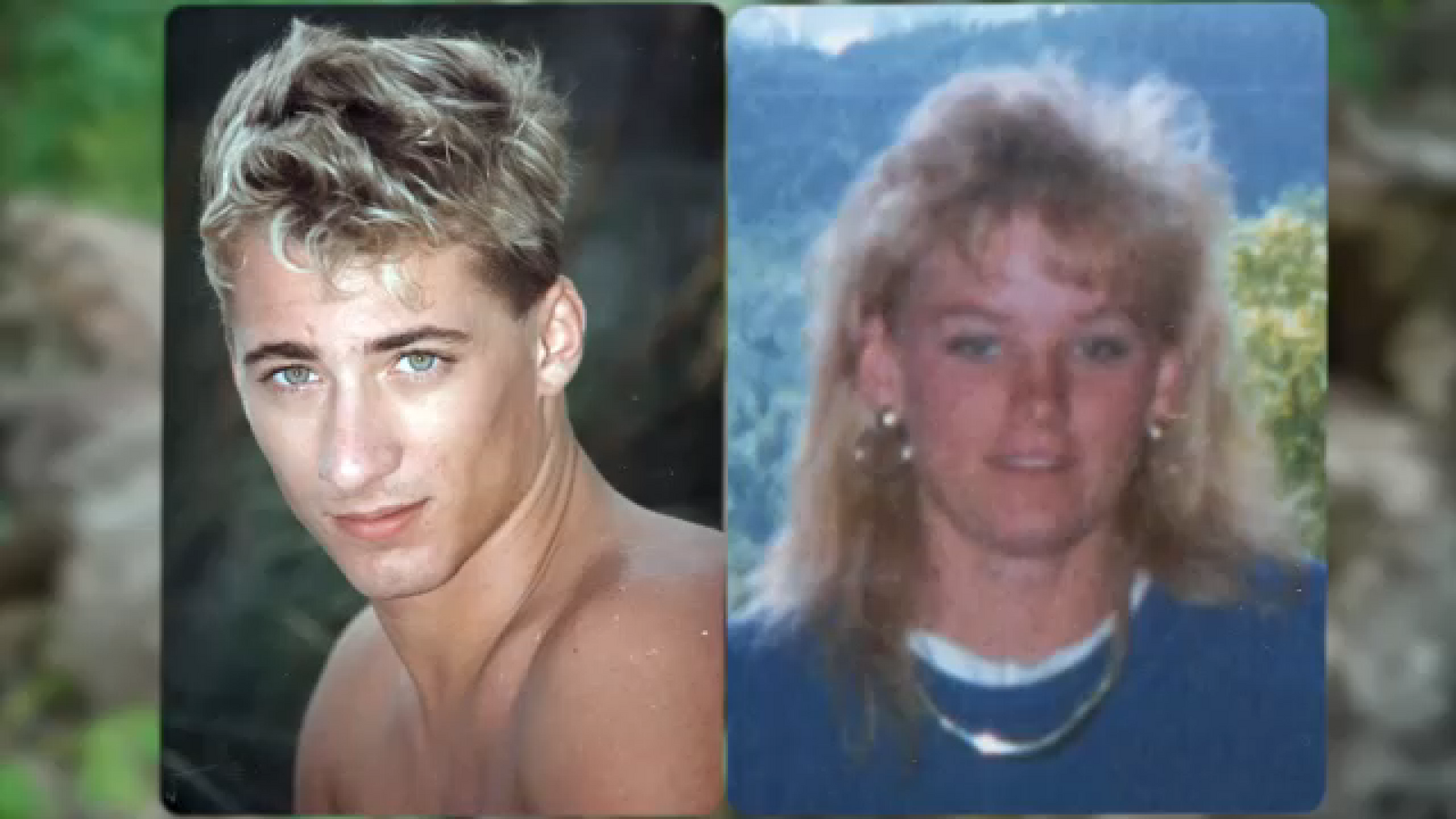
For nearly four decades, the lovers lane murders haunted families in Harris County, Texas , a brutal, unsolved crime that snatched two young lives on what should have been an ordinary night out. In August 1990, Cheryl Henry and Andy Atkinson, ages 21 and 22, left for a date night in west Houston, dancing and enjoying each other’s company before driving to a secluded cul-de-sac. They never came home. Now, after 36 long years, a suspect has finally been charged, bringing a measure of hope to grieving families who refused to let the case fade into obscurity.
The Night That Changed Everything
The evening of August 23, 1990, began like countless other nights for young couples across America. Henry and Atkinson spent time together at a local dance venue, soaking in the joy of young love in early adulthood. Witnesses later confirmed they were seen dancing and laughing together, with no indication that their lives were about to end in unimaginable violence. After leaving the venue, the couple drove to a quiet cul-de-sac , a place where countless couples had parked over the years to spend time together in privacy.
Tragically, a security guard on routine patrol noticed their vehicle had been stationary for an unusually long period. Upon approaching, the guard made a horrifying discovery that would launch one of Houston’s most infamous cold cases. Both victims were found unresponsive, having suffered fatal injuries to their necks. The brutality of the scene, combined with the romantic setting, gave the crime its chilling nickname: the Houston lovers lane murders.
The Crime Scene and Early Investigation
According to family members who spoke publicly about the discoveries made that night, the details painted a devastating picture. Cigarette butts inside the vehicle suggested the couple had been parked there for some time, enjoying each other’s company before tragedy struck. The windows were rolled down, and blood was visible on the car door , evidence of a violent and sudden attack that left no opportunity for the young couple to escape or call for help.
Investigators from the Houston Police Department initially believed the case would be solved within months. Tim Godwin, Atkinson’s cousin and someone who considered him a brother, recalled the early optimism: families were assured that answers would come quickly. However, what seemed like a straightforward homicide investigation soon became one of Texas’s most enduring mysteries.
Why the Case Went Cold
Despite cold case investigators pursuing hundreds of leads over the decades, the case remained stubbornly unsolved. In the early years following the murders, forensic technology was far less advanced than what exists today. DNA evidence could be collected but not always analyzed comprehensively or matched to existing databases. Witnesses had faded memories, and physical evidence degraded over time.
The breakthrough moment came in 2008 when forensic scientists linked DNA collected from the crime scene to a separate rape case. This discovery proved that the killer had committed other violent crimes, yet without a suspect name attached to the DNA profile, investigators could not make an arrest. The case file grew thicker, but answers remained elusive.
For more than three decades, the families of Henry and Atkinson lived in a painful limbo , grieving without closure, unable to bury their loved ones’ memories in peace. Cheryl’s sister, Shane Craig, has spoken publicly about how the haunting details of the scene never left her mind. The image of that parked car with its rolled-down windows and visible blood became a symbol of the injustice that lingered unresolved.
The 2025 Breakthrough: DNA and a Tipster
The turning point in this decades-old cold case arrest came in 2025, combining two crucial elements: renewed DNA analysis and a tip from the public. Investigators who had never stopped examining the case received information naming a specific individual. When this tip was cross-referenced with updated forensic analysis, the pieces finally fell into place.
Floyd William Parrott, now 64 years old, was charged with murder in connection with the killings. Court records reveal that Parrott was 28 at the time of the murders , significantly older than his young victims. He was accused of slashing the throats of Henry and Atkinson after they had parked in the secluded area following their night out. The brutality of the alleged attack shocked even seasoned investigators who had reviewed the case repeatedly over the years.
Harris County District Attorney Sean Teare acknowledged the relentless pursuit of justice in a public statement, noting that prosecutors, working alongside the Houston Police Department and the FBI, had followed hundreds of leads without ever giving up on the families or the community seeking answers.
Arrest in Nebraska and Pending Extradition
Parrott was apprehended in Lincoln, Nebraska, where he had apparently been living for some time. He currently awaits extradition to Harris County, Texas, where he will face formal charges in a court of law. The arrest itself represents a culmination of cross-state and federal cooperation, demonstrating how modern cold case work often requires collaboration across multiple jurisdictions and agencies.
The Houston Police Department, the FBI, and the Harris County District Attorney’s Office announced plans to hold a press conference to share additional details about the investigation. While much of the evidence remains sealed under court order, families and community members eagerly awaited further information about how exactly investigators connected the decades-old DNA evidence to Parrott.
What This Means for Cold Case Justice
The resolution of the lovers lane murders cold case sends a powerful message to both victims’ families and the broader community: that no case is ever truly forgotten, and that advances in forensic science continue to deliver answers that once seemed impossible. Genetic genealogy, improved DNA analysis techniques, and persistent investigative work have revolutionized how law enforcement approaches decades-old crimes.
For other families still waiting for answers in unsolved cases, this arrest offers a glimmer of hope. It demonstrates that:
- DNA evidence preserved properly can yield results even after decades
- Public tips remain invaluable, no matter how much time has passed
- Investigators who revisit old cases with fresh eyes can find new connections
- Justice delayed does not have to mean justice denied
The Families’ Long Wait for Closure
For the Henry and Atkinson families, this announcement arrived as a mixture of relief, grief, and vindication. Cheryl’s father, Robert Henry, had spent decades making public appeals for anyone with information to come forward. In interviews conducted earlier in 2025, he expressed his enduring belief that someone out there held the key to solving the case. His persistence, and that of other family members, helped keep the case alive in the public consciousness.
The emotional weight of 36 years without answers cannot be overstated. Birthdays passed without the chance to celebrate with loved ones. Holidays included empty chairs at family gatherings. Life milestones occurred that the victims never got to experience , weddings, careers, children, grandchildren. Every year without answers compounded the loss, transforming grief into a chronic condition that few outside these families could fully understand.
Looking Ahead: The Path to Justice
With Parrott now in custody and awaiting extradition, the legal process begins in earnest. Prosecutors must prepare their case, present evidence to a grand jury, and ultimately seek a conviction that has been 36 years in the making. Defense attorneys will scrutinize every piece of evidence, every chain of custody for biological samples, and every procedural decision made by investigators across multiple decades.
The trial will likely be a difficult emotional experience for the families, who will have to revisit painful memories in pursuit of the justice they have long sought. Yet many have expressed that they would endure any hardship to see the case finally resolved in a court of law.
Honoring the Victims
Ultimately, this story is not about the lengthy investigation or the legal complexities that emerged along the way. It is about two young people , Cheryl Henry and Andy Atkinson , whose lives were cut brutally short on a summer night in 1990. They were sons, daughters, siblings, and friends whose absence has been felt every single day for the past 36 years.
The lovers lane murders investigation stands as a testament to the dedication of cold case teams, the evolving power of forensic science, and the unbreakable determination of families who refused to accept silence as the final answer. While no verdict can undo the tragedy of that August night, the arrest of a suspect represents meaningful progress toward the closure that Henry and Atkinson’s loved ones have deserved for so long.
As the case moves forward through the Texas justice system, the Houston community watches with the hope that this decades-long pursuit of truth will finally deliver the resolution that two grieving families have awaited since 1990.