
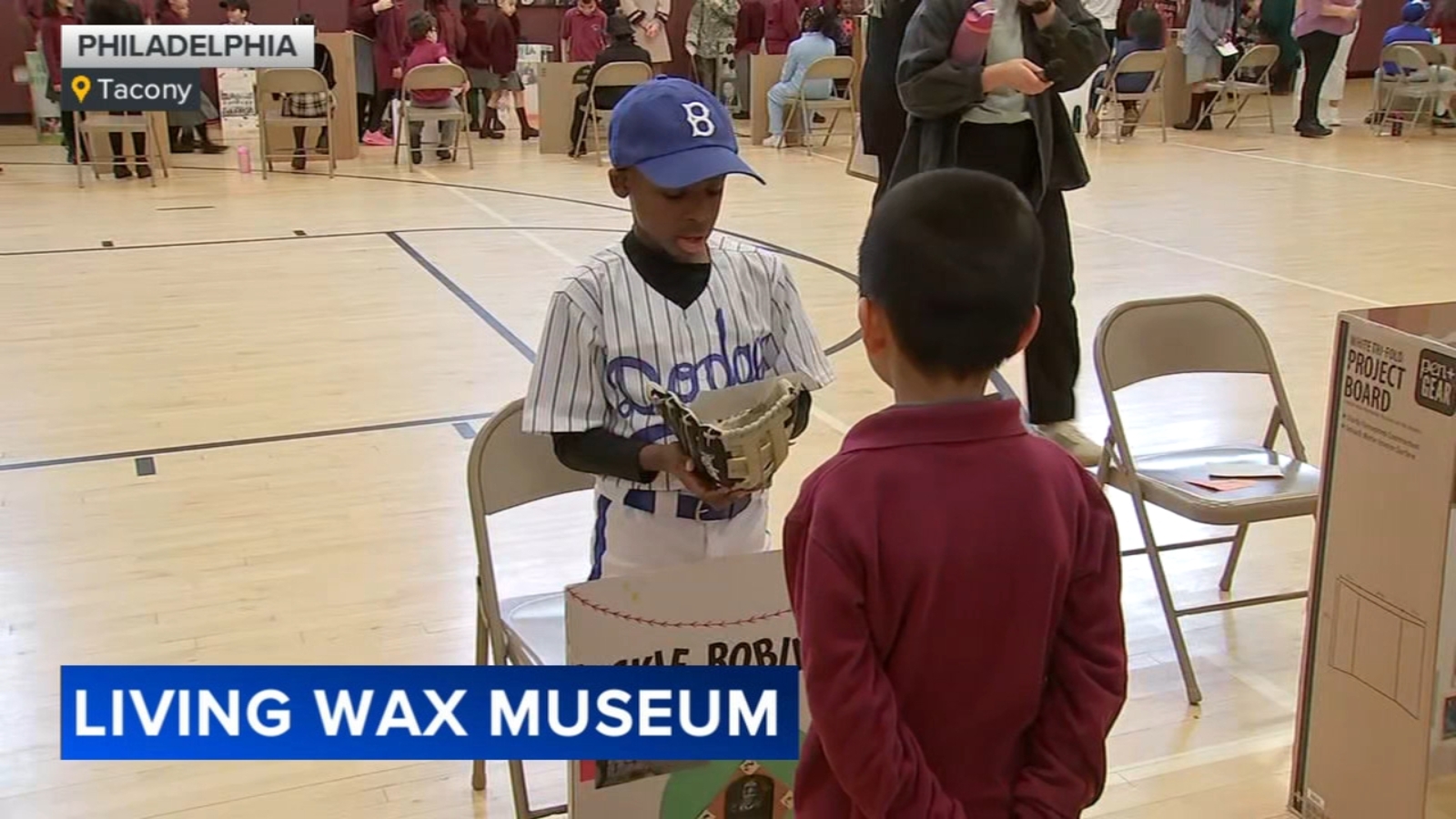
Every February, schools across the United States look for creative ways to help students connect with Black History Month in meaningful, memorable ways. One of the most powerful approaches gaining popularity is the living wax museum , an immersive educational experience where children step into the shoes of influential African Americans and present their stories to peers, families, and community members. At Keystone Academy Charter School in Philadelphia’s Tacony neighborhood, third graders recently brought this idea to spectacular life, transforming their classrooms into a gallery of heroes whose legacies still shape our world today.
What Is a Living Wax Museum?
A living wax museum is a hands-on educational project in which students research a historical figure, dress in costume to represent that person, and stand motionless , like statues in a traditional wax museum , until visitors “activate” them with a question or a tap. Once prompted, the student delivers a rehearsed speech summarizing the life, accomplishments, and significance of their chosen figure.
This format combines research skills, public performance, and historical empathy in a single powerful learning experience. Unlike reading a textbook chapter or watching a documentary, a living wax museum requires students to embody history, making it personal, tangible, and unforgettable.
The concept has been used in classrooms for decades, but it has experienced a resurgence in recent years as educators seek engaging alternatives to traditional lectures. The format works particularly well for Black History Month, Women’s History Month, and similar observances, because it allows entire communities to be represented in a single afternoon.
The Philadelphia Event: A Celebration of Black Excellence
Young Historians Take the Stage
On a recent Thursday, students at Keystone Academy Charter School gathered to honor Black History Month through their own version of a living wax museum. Third graders spent weeks preparing for the event, carefully selecting African American figures whose stories they wanted to share with the world.
The lineup was remarkable in its breadth. Civil rights leaders stood beside pioneering engineers, groundbreaking scientists, legendary athletes, and beloved entertainers. Each child chose a figure who personally inspired them, then dove deep into the research required to bring that person to life.
Visitors to the museum could move from one “exhibit” to the next, pressing a button, clapping, or asking a question to bring each young performer to life. In that moment, a third grader might become Martin Luther King Jr. delivering a stirring summary of the civil rights movement, or Mae Jemison explaining the journey that made her the first African American woman to travel to space.
The Power of Student Choice
One of the most impressive aspects of the Keystone Academy event was the diversity of figures represented. Because each student selected their own subject, the museum reflected a wide cross-section of Black achievement , from history-shaping activists to cultural icons whose influence is still felt today.
This student-driven approach means no two living wax museums are exactly alike. One classroom might emphasize the arts, featuring Maya Angelou, Langston Hughes, and Josephine Baker. Another might focus on science and innovation, highlighting figures like George Washington Carver, Mae Jemison, or Garrett Morgan. The flexibility of the format allows teachers to honor the full spectrum of Black excellence while letting students follow their passions.
Why Living Wax Museums Work So Well in Education
Building Research Skills
Behind every frozen statue and stirring speech is hours of careful research. Students participating in a living wax museum must learn how to gather information from multiple sources, evaluate the reliability of those sources, distill complex biographies into digestible summaries, and identify the most important contributions of their chosen figure.
These are exactly the skills students need for academic success in upper grades and beyond. A third grader researching Harriet Tubman is practicing the same critical reading and summarization techniques that a high schooler will use when writing a research paper on the Underground Railroad.
Developing Public Speaking Confidence
For many children, speaking in front of an audience is one of the most anxiety-inducing experiences in school. A living wax museum provides a low-pressure environment to practice this essential skill. Students can rehearse their speeches repeatedly before the event, and the “frozen” pose gives them built-in moments to collect their thoughts and calm their nerves.
The reward is immediate: applause from parents, smiles from teachers, and the pride of knowing they’ve shared something meaningful with their community. Over time, these small performances build the kind of public speaking confidence that serves students well in job interviews, college presentations, and beyond.
Cultivating Empathy and Historical Understanding
Perhaps the most valuable outcome of a living wax museum is the empathy it cultivates. To portray a figure convincingly, a student must consider not just what that person accomplished, but who they were as a human being. What challenges did they face? What motivated them? What did they believe in?
When a child steps into the shoes of Ruby Bridges and explains what it felt like to integrate a segregated school, history stops being a list of dates and becomes a lived human experience. This kind of empathetic engagement is something no textbook can provide.
The Educational Value Beyond the Classroom
A Community Event
Living wax museums naturally extend beyond the classroom walls. Parents, grandparents, younger siblings, and community members are typically invited to attend, turning the project into a true community celebration. At Keystone Academy, the Tacony neighborhood was invited to witness the young historians’ work, creating a multigenerational moment of shared learning.
These events also strengthen the bond between schools and the communities they serve. When families see the depth of knowledge their children have acquired, the level of effort that went into the costumes, and the poise with which the students deliver their speeches, it reinforces trust in the school and excitement about future projects.
Celebrating Diversity in History Education
Black History Month is often celebrated with assemblies, poster projects, and short classroom lessons. A living wax museum goes further. It requires sustained engagement over weeks, deep individual research, and active performance , all of which leave a much more lasting impression than passive learning experiences.
More importantly, the format sends a powerful message to students: Black history is not a footnote. It is rich, varied, and central to the American story. Whether the figure on display is an astronaut, an abolitionist, a poet, or a baseball legend, children come away understanding that Black excellence has shaped every field of human endeavor.
Tips for Hosting a Living Wax Museum at Your School
Educators inspired by the Keystone Academy example can bring the living wax museum concept to their own classrooms with a few practical steps:
- Start early. Give students at least three to four weeks to research, write, and rehearse. Rushing the process diminishes both the learning and the performance.
- Provide a curated list of figures. While student choice is important, younger children may need guidance to identify appropriate subjects with enough available research.
- Emphasize the “why.” Help students understand not just what their figure did, but why it mattered. The most powerful speeches connect past achievements to present-day relevance.
- Encourage simple, effective costumes. Props and clothing don’t need to be elaborate. A pair of glasses, a hat, or a homemade sign can transform a student into their chosen figure.
- Invite the community. The more visitors, the more meaningful the experience. Send invitations to families, local leaders, and feeder middle schools.
- Capture the moment. Photographs and video recordings help students, families, and schools celebrate the achievement for years to come.
The Lasting Impact of Bringing History to Life
The third graders at Keystone Academy Charter School did something extraordinary. By transforming themselves into the heroes of Black history, they didn’t just memorize facts , they became storytellers, ambassadors, and living testaments to the power of education done right.
The living wax museum remains one of the most effective ways to make history personal. It blends research, creativity, performance, and community into a single unforgettable experience. For the students who participate, the figures they portray often become lifelong heroes. For the visitors who attend, the event is a moving reminder of how much Black Americans have contributed to our shared story.
As Black History Month continues to evolve, projects like this one remind us that the best way to honor the past is to hand the microphone to the next generation and let them tell its stories. When students are given the chance to research, embody, and celebrate the figures who shaped history, they don’t just learn about the past , they become part of carrying its legacy forward.