
The Lindsay Clancy trial has reached a critical and deeply troubling turning point in Plymouth, Massachusetts. After four full days of deliberations, the jury sent a note to Judge William Sullivan indicating they were unable to reach a unanimous verdict, signaling what could become a hung jury in one of the most emotionally charged criminal cases the region has seen in years. The high-stakes proceedings have captured national attention, not just because of the horrifying nature of the crime, but because they sit at the intersection of criminal justice, maternal health, and questions about how the legal system treats mental illness.
Jury Signals an Impasse in the Lindsay Clancy Trial
Jurors wrapped up their fourth consecutive day of deliberations on Tuesday without reaching a verdict in the Lindsay Clancy trial. The twelve-member panel began debating the case Thursday afternoon and, by Tuesday morning, had communicated to the presiding judge that despite extensive discussions, they could not agree on whether Clancy should be held criminally responsible for the deaths of her three young children.
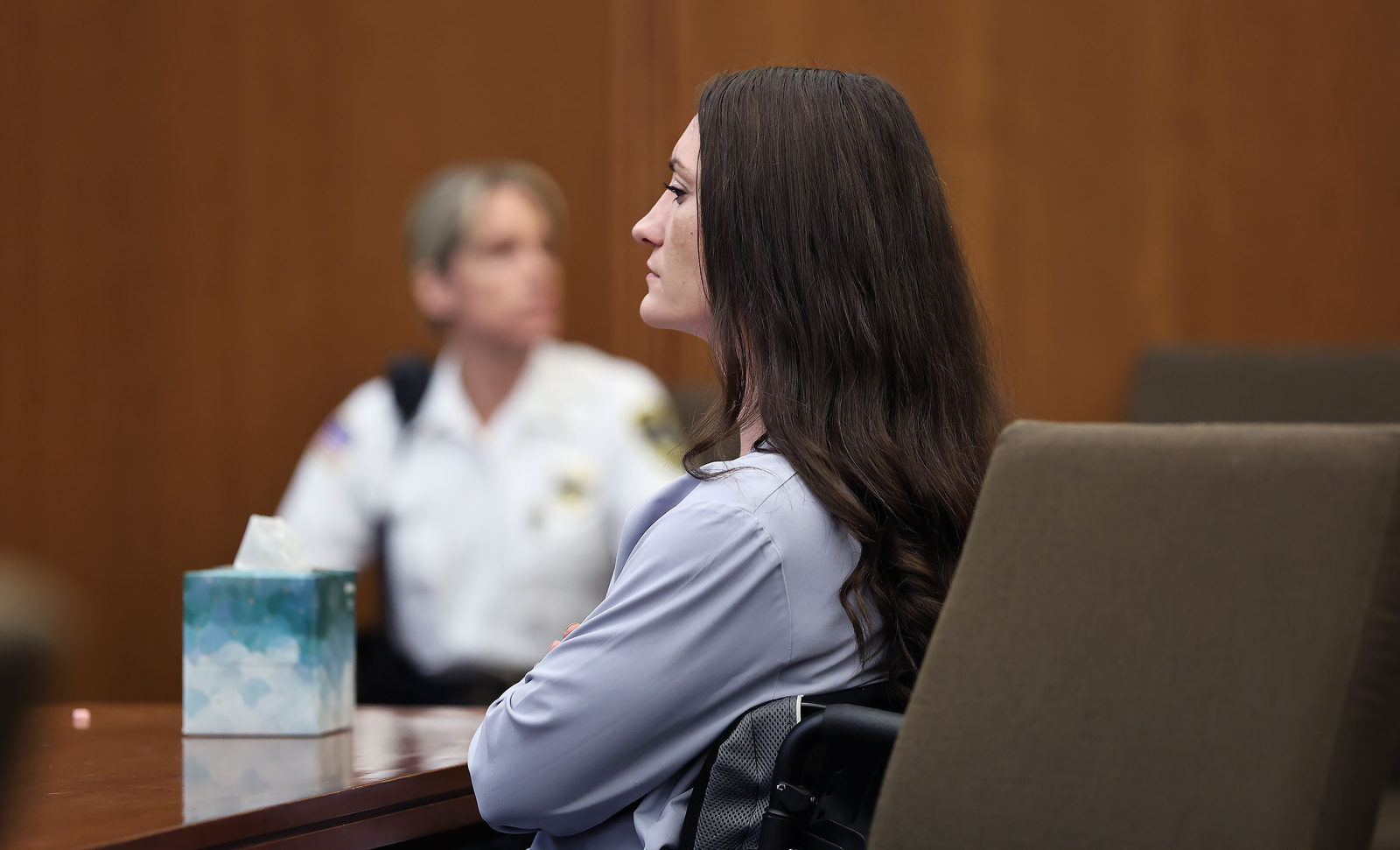
Judge Sullivan acknowledged the difficulty of the deliberations, noting that the trial spanned more than four weeks and featured testimony from over 80 witnesses alongside approximately 300 exhibits. Rather than declare a mistrial, he instructed jurors to continue their work and return for further discussions on Wednesday. Clancy, seated at the defense table, reportedly stared straight ahead as the jury entered, then turned her attention toward them as the judge spoke. In moments like these, the human weight of the proceedings becomes impossible to ignore.
What the Jury Is Being Asked to Decide
At the heart of this case is a fundamental legal and moral question: was Lindsay Clancy, a 36-year-old former labor and delivery nurse, in control of her actions when she killed her three children in January 2022? Her defense team has argued that postpartum psychosis, a rare and severe mental illness, drove her actions. Prosecutors, on the other hand, contend that Clancy made a calculated choice and should be convicted of murder.
Clancy has pleaded not guilty by reason of lack of criminal responsibility. She does not deny strangling her children, ages 5, 3, and 8 months, with exercise bands in the basement of her home south of Boston. What she disputes is her culpability. This framing has made the deliberations exceptionally difficult, as jurors must weigh complex psychiatric testimony against the unthinkable nature of the crime itself.
The Central Role of Postpartum Psychosis in the Defense
Throughout the Lindsay Clancy trial, the defense has built its case around the argument that postpartum psychosis and underlying bipolar disorder robbed Clancy of her ability to understand reality at the time of the killings. Defense attorney Kevin Reddington has maintained that his client genuinely loved her children but lost her grip on reality and on herself in the months following the birth of her youngest child.
Postpartum psychosis is a far more severe condition than the more commonly discussed postpartum depression. Researchers estimate that it affects roughly 1 to 2 out of every 1,000 women after delivery. Symptoms can include delusions, hallucinations, paranoia, and suicidal or homicidal ideation. It is a medical emergency, and its presence in this case has prompted broader conversations about maternal mental health in the United States.
Members of Clancy’s own family took the stand to describe her steep decline. Her mother and sister testified that she became anxious, paranoid, and suicidal after delivering her third child. She sought help, including a stay in a psychiatric hospital, but was discharged less than three weeks before the killings occurred. On the day of the tragedy, she allegedly sent her husband, Patrick Clancy, on an errand before taking the lives of her children and then jumping from a second-floor window, leaving her paralyzed from the waist down.
The Prosecution’s Counter-Narrative
Prosecutors have presented a markedly different picture. Rather than framing Clancy as a victim of an overwhelming psychiatric episode, they argued that she was depressed, exhausted, and tired of living, and that she made a conscious decision to end her children’s lives. A forensic psychologist testifying for the prosecution stated that he believed Clancy killed the children because she wanted to die but did not want to leave them behind.
This argument introduces a chilling logic to the case that the defense has worked hard to counter. The prosecution’s theory relies on the idea that criminal responsibility remained intact, that Clancy understood the consequences of her actions and chose them anyway. This is the central tension that jurors are now struggling to resolve as they sit through yet another day of deliberations.
What Happens If the Jury Cannot Reach a Verdict
The possibility of a mistrial is now very real in the Lindsay Clancy trial. Legal experts, including Boston defense attorney and former prosecutor Brad Bailey, who is not involved in the case, have weighed in on the potential outcomes if jurors continue to disagree.
- Murder or manslaughter conviction: Clancy could face a life prison sentence if convicted on the most serious charges.
- Acquittal by reason of lack of criminal responsibility: While she would not go to prison, a judge could still order her committed to a mental health facility if an evaluation deemed her a danger to the public.
- Hung jury and mistrial: The charges would remain on the books. Prosecutors would then decide whether to retry the case before an entirely new jury, offer a plea deal, or drop the charges altogether.
Bailey noted that while prosecutors could offer a plea agreement, Clancy’s defense team would more likely push for the charges to be dismissed entirely. Reddington himself has framed the jury’s continued deliberations, despite their note of impasse, as an encouraging sign. “I think that they’re showing that they are more than willing to keep working at it,” he said.
Emotional Toll Inside the Courtroom
The emotional gravity of the Lindsay Clancy trial has been evident throughout. Clancy chose not to testify, but she watched the proceedings from the defense table and was visibly moved at times, including when prosecutors displayed autopsy photographs of her children. Her ex-husband, Patrick Clancy, took the witness stand and jurors also listened to his anguished 911 call, made as he discovered the children’s bodies minutes after finding his severely injured wife. It was the first time Patrick had seen Lindsay since the killings. He has publicly stated that he forgives her and views her as ill rather than evil, a sentiment that adds yet another layer of tragedy to the proceedings.
Earlier testimony also included emotional moments from family members and caregivers. A nanny described Clancy as a loving mother prior to the killings. A chaplain recounted that Clancy said she was “so glad” her children were “safe” after the incident, a statement prosecutors used to argue against the defense’s framing. Toxicology experts testified that medication levels in Clancy’s system were low, and investigators revealed that she had searched online terms such as “can you treat a sociopath” before the tragedy.
Why This Trial Matters Beyond the Courtroom
Beyond the immediate question of guilt or innocence, the Lindsay Clancy trial has become a flashpoint in ongoing national conversations about maternal mental health. Cases like this one force society to confront difficult realities: postpartum psychosis is real, it is dangerous, and yet it exists within a legal system designed to assign blame and punishment. The jury’s struggle to reach a verdict may reflect these very tensions, as ordinary citizens attempt to apply legal standards to circumstances that defy easy categorization.
Mental health advocates hope the case will highlight the urgent need for better screening, earlier intervention, and more robust support systems for new mothers, particularly those with a history of mood disorders. The tragedy has already prompted many clinicians to call attention to warning signs that, in hindsight, were painfully visible in Clancy’s behavior in the weeks and months leading up to the killings.
Looking Ahead
As the jury prepares to return for a fifth day of deliberations on Wednesday, the outcome of the Lindsay Clancy trial remains uncertain. Whether they ultimately reach a verdict or remain divided, the case has already left an indelible mark on all those involved, from the jury members themselves to the families and communities affected by this devastating loss. Regardless of the legal result, the trial has underscored the importance of recognizing postpartum mental illness, supporting families in crisis, and ensuring that the justice system can respond with both accountability and compassion. For now, all eyes remain on Plymouth, waiting for the twelve individuals in that deliberation room to decide the future of a mother, the legacy of three small children, and the broader meaning of responsibility in the face of unimaginable mental anguish.
If you or someone you know is struggling with thoughts of suicide or experiencing a mental health crisis, please call or text 988 to reach the Suicide and Crisis Lifeline, available 24 hours a day, seven days a week. You can also visit 988lifeline.org for additional resources.