
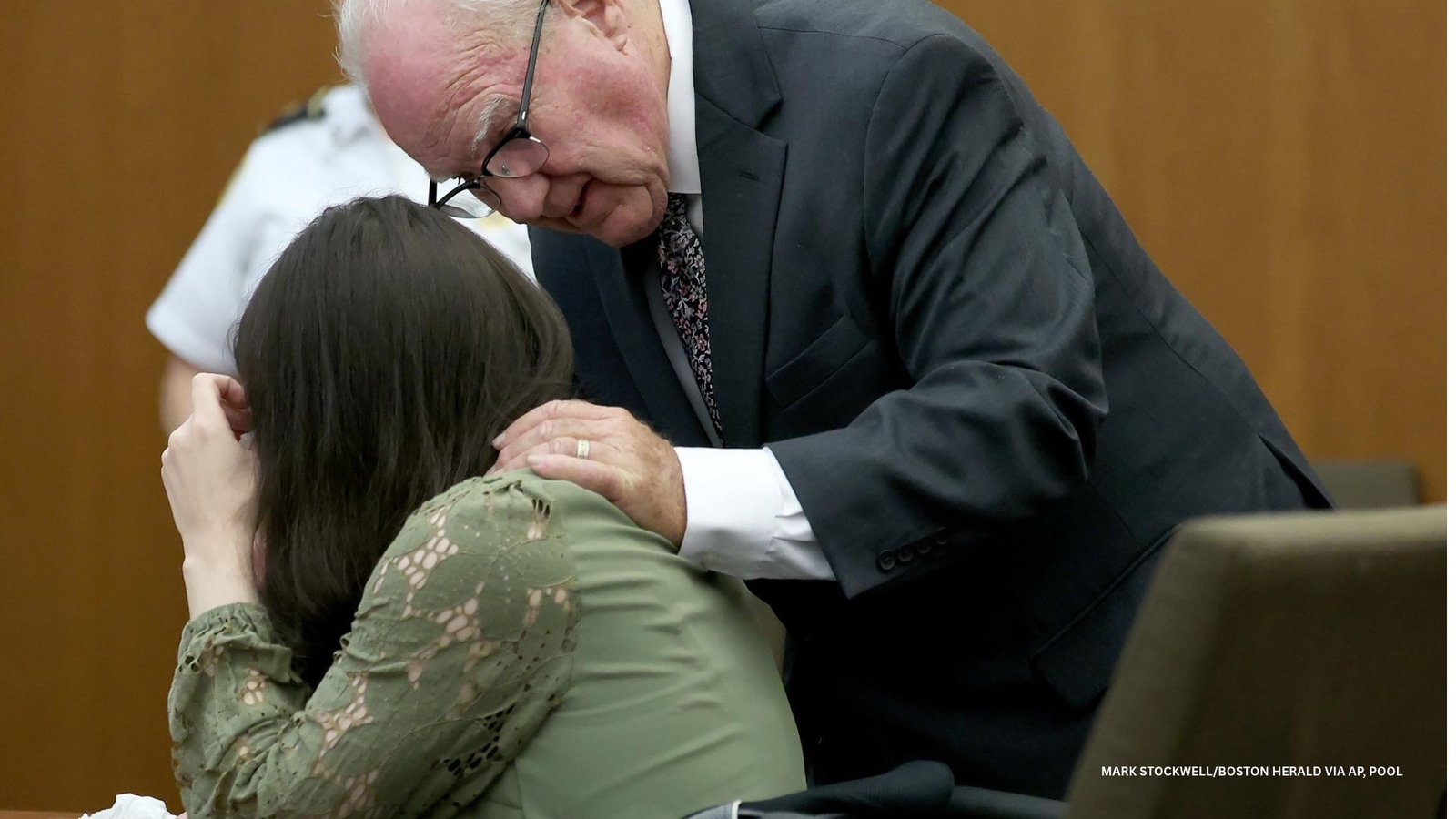
The Lindsay Clancy murder trial has captivated national attention as it unfolds in Plymouth, Massachusetts, raising difficult questions about mental illness, motherhood, and criminal culpability. Clancy, 35, faces three murder charges in connection with the deaths of her three young children , 5-year-old Cora, 3-year-old Dawson, and infant Callan , at the family’s home in the Boston suburb of Duxbury on January 24, 2023. As testimony continues, the case has become a focal point for discussions surrounding postpartum psychosis, mental health treatment, and the criminal justice system’s handling of defendants with severe psychiatric conditions.
The Critical Phone Search: “Can You Treat a Sociopath?”
One of the most striking pieces of evidence presented during the Lindsay Clancy murder trial came from a state police investigator who testified that Clancy’s phone was used to search the question “Can you treat a sociopath?” on January 20, 2023 , just four days before the tragic deaths of her children. This search has become a focal point for prosecutors, who have used it to paint a picture of Clancy’s state of mind in the days leading up to the killings. The timing of the search, prosecutors argue, suggests an awareness of her mental health struggles and raises complex questions about premeditation versus mental illness.
However, the defense team has countered this evidence by emphasizing that Clancy was actively grappling with severe mental health issues at the time, including postpartum psychosis , a condition that can profoundly distort a person’s thoughts, perceptions, and judgment.
The Defense Strategy: Postpartum Psychosis
Clancy has pleaded not guilty to all three murder charges, and her defense attorneys, led by Kevin Reddington, do not contest that she was responsible for the deaths of her three children. Instead, they are pursuing an unusual legal strategy: arguing that Clancy should not be held criminally responsible due to her severe mental illness at the time of the killings.
The defense has centered its case on the argument that Clancy was suffering from postpartum psychosis, a rare but serious medical emergency characterized by severe, rapid-onset psychiatric episodes. According to research, postpartum psychosis can manifest with symptoms including:
- Mania , elevated mood, racing thoughts, and impulsive behavior
- Severe depression , including thoughts of harming oneself or others
- Hallucinations , seeing or hearing things that aren’t present
- Delusions , holding firmly to beliefs that aren’t based in reality
This condition can develop rapidly in the days or weeks following childbirth, making it a particularly dangerous condition for new mothers and their infants. Clancy’s defense has also noted that she attempted to take her own life after the deaths of her children, further underscoring her argument about her compromised mental state.
Emotional Courtroom Moments
Testimony in the Lindsay Clancy murder trial has been marked by deeply emotional moments that have required judicial intervention. On Wednesday, the proceedings were interrupted multiple times as Clancy audibly sobbed in response to testimony about the autopsies of her deceased children. Judge William Sullivan made the decision to excuse the jury at various points during the testimony of doctors Renee Stonebridge and Barbara Olson, who described the injuries sustained by two of the Clancy children.
Clancy was observed hunched over the defense table with a box of tissues nearby throughout the testimony. She reportedly began crying as Dr. Olson, a medical examiner, described the injuries to Cora, and she was subsequently removed from the courtroom in her wheelchair during a recess.
Judge Sullivan addressed the jury directly about these emotional displays, stating, “Sometimes there’s evidence that’s presented in the trial that creates an emotional reaction.” He reminded jurors that the law requires them to “separate any emotional reaction on your part from the informational value and weight that the evidence produces.” This judicial guidance reflects the delicate balance the court must strike between allowing the emotional gravity of the case to be felt and ensuring a fair trial based on facts rather than sentiment.
Medical Expert Testimony
Testimony from Treating Professionals
Over the course of the trial, jurors have heard from multiple medical professionals who treated Clancy in the weeks and months leading up to the tragedy. On Wednesday, six witnesses took the stand, including the two doctors who conducted the autopsies and three law enforcement officers who maintained watch over Clancy in the hospital after the killings.
Among the most significant witnesses was therapist Latiesha Dukes, who treated Clancy in the weeks before the deaths. Dukes testified that Clancy expressed concerns about being addicted to benzodiazepines , a class of anti-anxiety medications , but did not exhibit obvious signs of mania or psychosis during their sessions. Notably, Dukes, like other medical professionals who treated Clancy, stated she was unaware of some of the patient’s struggles in finding treatment for her postpartum depression.
The Rebecca Jollotta Testimony
Earlier in the trial week, jurors heard compelling testimony from Rebecca Jollotta, a psychiatric nurse practitioner who treated Clancy in the weeks before the killings. Jollotta walked the jury through patient portal messages she exchanged with Clancy, revealing that Clancy repeatedly attempted to change psychiatric medications despite acknowledging that switching drugs would likely impact her mental health.
One particularly poignant message from Clancy was read to jurors: “It’s just a scary, very scary, stressful time for me, and starting new meds with side effects is very scary to me.” Jollotta testified that she tried to be encouraging, telling Clancy that her conditions would improve and that new medications can take weeks to take effect.
Jollotta is one of several medical professionals currently being sued by both Clancy and her ex-husband Patrick Clancy for allegedly overmedicating and failing to properly treat Lindsay Clancy following the birth of her third child. Jollotta and the other medical professionals named in these civil suits have denied the allegations, setting the stage for complex parallel legal proceedings.
Broader Implications for Postpartum Mental Health
The Lindsay Clancy murder trial has shed light on a critical but often overlooked area of maternal healthcare: the treatment of postpartum mental illness. Postpartum psychosis affects a small percentage of new mothers, but its consequences can be devastating when left unrecognized or inadequately treated. The case has prompted renewed discussions among healthcare professionals about:
- Early screening protocols , How can medical providers better identify warning signs of postpartum psychosis before they escalate?
- Treatment continuity , How can patients transition safely between medications and providers?
- Access to specialized care , What barriers exist that prevent new mothers from receiving timely psychiatric care?
- Legal frameworks , How should the criminal justice system handle cases involving severe postpartum mental illness?
The Road Ahead in the Trial
As the Lindsay Clancy murder trial progresses, jurors will continue to hear from witnesses who can shed light on Clancy’s mental state in the weeks and days leading up to the tragedy. The defense’s case rests heavily on establishing that Clancy was experiencing a severe psychiatric crisis at the time of the killings, while prosecutors are likely to use the “sociopath” search and other evidence to argue that Clancy was aware of and grappling with her condition in ways that could constitute criminal responsibility.
The case presents one of the most challenging scenarios for any criminal court: a mother who has unquestionably caused the deaths of her children but whose attorneys argue should not be held criminally liable due to severe mental illness. As testimony unfolds, the nation watches closely, knowing that the outcome of this trial could have far-reaching implications for how similar cases are handled in the future.
Conclusion
The Lindsay Clancy murder trial represents a tragic intersection of mental illness, motherhood, and the criminal justice system. Through testimony from medical professionals, law enforcement officers, and family members, the court is attempting to untangle the complex web of circumstances that led to the deaths of three young children in Duxbury, Massachusetts. While the defense has built its case around the argument that postpartum psychosis robbed Clancy of criminal responsibility, prosecutors continue to present evidence suggesting she was aware of her mental health struggles in the days before the tragedy. Regardless of the verdict, this case has already sparked important conversations about postpartum mental health treatment, the criminal justice system’s response to severe psychiatric illness, and the urgent need for better support systems for new mothers experiencing mental health crises.