
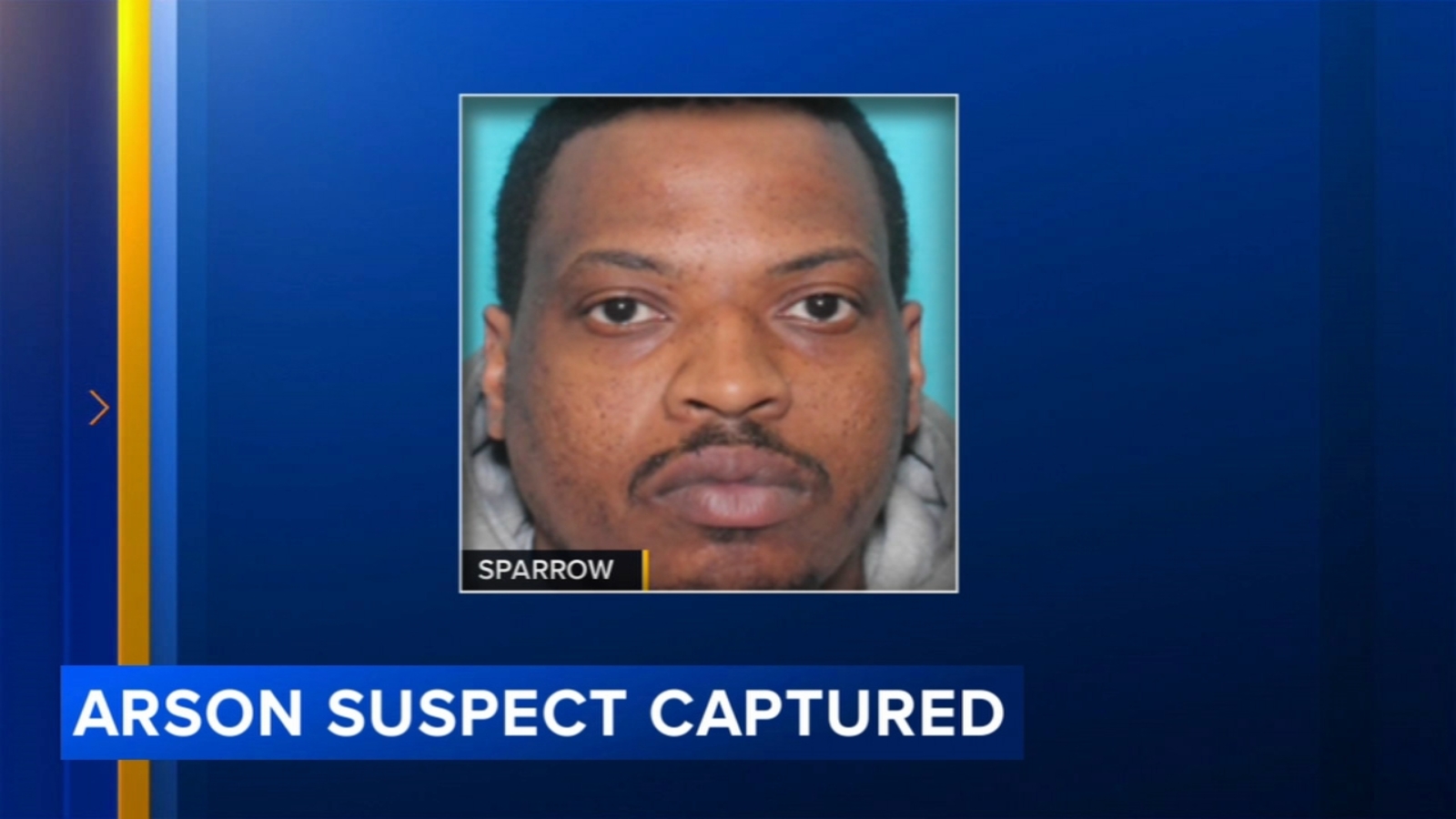
In a significant development in a case that captured public attention more than a year ago, authorities have finally taken a key suspect into custody. Lamont Sparrow, the man wanted in connection with a brazen arson arrest-related investigation, has been apprehended by the United States Marshals Service. The arrest brings a renewed focus to the 2024 fire that damaged property at the Pennsylvania State Police Troop K barracks in the Wynnefield Heights section of Philadelphia. Below, we break down everything you need to know about this high-profile case, the investigation that led to the apprehension, and what happens next in the legal process.
The 2024 Arson at Troop K Belmont Barracks
The incident in question dates back to April 2024, when investigators say Sparrow, along with other unidentified individuals, cut through a perimeter fence and set a pickup truck ablaze at the Troop K Belmont Barracks. The location is one of the operational hubs for Pennsylvania State Police in Philadelphia, making the attack a particularly concerning one for law enforcement officials and the surrounding community.
According to official reports, no injuries were reported as a result of the fire. However, the symbolic nature of targeting a state police facility sent shockwaves through the city and prompted a substantial investigative response. In the weeks and months following the blaze, a $5,000 reward was offered to anyone who could provide information leading to the identification and arrest of the suspect. That reward, combined with persistent investigative work by state and federal authorities, ultimately helped build the case that led to Sparrow’s capture.
Why the Arson Attack Raised Immediate Alarm
Arson at a law enforcement facility is treated with extreme seriousness by authorities for several reasons:
- Symbolic threat: Fires set at police barracks are often viewed as direct challenges to law enforcement authority.
- Public safety risks: Even when no injuries occur, structural damage and smoke can compromise the operational readiness of the facility.
- Potential escalation: Investigators typically explore whether the attack is connected to broader criminal activity or coordinated efforts.
- Evidence tampering concerns: Fires near police records or evidence storage areas can raise questions about motives.
The Arrest: How Lamont Sparrow Was Captured
The arson arrest of Lamont Sparrow took place on a Thursday, according to the United States Marshals Service. The Marshals took the lead in apprehending Sparrow, a fact that underscores the federal-level coordination that often accompanies crimes targeting state or local law enforcement infrastructure. Working in tandem with the Pennsylvania State Police and other agencies, U.S. Marshals tracked Sparrow down and took him into custody without reported incident.
The collaboration between local and federal authorities in this case reflects a broader trend in how high-profile crimes are investigated and prosecuted. When suspects are believed to have fled or are difficult to locate, federal resources , including the Marshals’ fugitive apprehension teams , are frequently deployed to ensure that justice is served.
The Role of the U.S. Marshals Service
The U.S. Marshals Service is the federal government’s primary agency for tracking down fugitives. Their involvement in this case was likely prompted by one or more of the following factors:
- Suspected flight risk: Sparrow had remained at large for more than a year following the incident.
- Interstate or cross-jurisdictional pursuit: The Marshals specialize in tracking suspects across state lines.
- Severity of the alleged crime: Arson at a police facility can elevate the seriousness of an investigation to a federal priority.
- Coordination with state police: Federal agencies often assist state-level investigations to bring in additional resources and expertise.
Legal Implications and Potential Charges
While official charges had not been fully detailed at the time of Sparrow’s arrest, the alleged actions , cutting a fence and setting a vehicle on fire at a state police barracks , could lead to a range of serious criminal charges. In Pennsylvania, arson offenses are prosecuted aggressively, and when the target is a law enforcement facility, additional charges such as institutional vandalism, criminal mischief, or even terrorism-related offenses may be considered depending on the evidence.
Possible Criminal Penalties
Depending on how prosecutors decide to proceed, Sparrow could face a combination of the following consequences:
- Felony arson charges: Pennsylvania law treats most arsons as felonies, especially when property damage is significant or the act endangers people.
- Restitution: Courts often order defendants to pay for damages caused, which in this case could include the destroyed vehicle and any structural damage to the barracks.
- Lengthy prison sentences: Felony arson convictions in Pennsylvania can carry sentences of several years, with aggravating factors potentially increasing the penalty.
- Federal charges: If the investigation uncovers any federal nexus , such as interference with a federally supported facility , federal charges could also be brought.
Community Reaction and Broader Implications
The arson attack at the Troop K Belmont Barracks drew strong reactions from community leaders, law enforcement officials, and residents of the Wynnefield Heights neighborhood. Many expressed relief at the news of Sparrow’s arrest, while others emphasized the importance of continued vigilance and cooperation between law enforcement and the communities they serve.
For local residents, the incident was a stark reminder that crimes affecting law enforcement facilities can ripple through a community, affecting public trust and perceptions of safety. The successful apprehension of a suspect more than a year after the fact demonstrates that investigators will continue to pursue leads regardless of how much time has passed.
What Residents Should Know
For those living near or frequenting the area around the Troop K barracks, the following points may be helpful:
- The facility remains operational: Despite the 2024 incident, the barracks continues to serve the surrounding community.
- Crime tips remain valuable: Anyone with information related to this or similar incidents is encouraged to contact local authorities.
- Reward programs work: The $5,000 reward offered in this case is part of a broader effort to incentivize community members to come forward with information.
The Investigation Continues: Outstanding Suspects
It’s important to note that the source material indicates Sparrow was allegedly involved along with others. While Sparrow’s arrest marks a major step forward, investigators are likely to continue pursuing additional suspects connected to the April 2024 fire. Authorities often piece together the involvement of multiple parties through witness testimony, surveillance footage, forensic evidence, and digital communications.
If you or someone you know has information related to this case, contacting the Pennsylvania State Police or the U.S. Marshals Service could help bring additional suspects to justice.
Conclusion: A Step Toward Justice
The arson arrest of Lamont Sparrow represents a meaningful milestone in a case that has lingered for more than a year. From the initial fire at the Troop K Belmont Barracks in April 2024 to the coordinated federal effort that led to his capture, the case illustrates how persistent investigative work and interagency cooperation can yield results even when suspects manage to evade authorities for extended periods.
As the legal process unfolds, Sparrow will have the opportunity to defend himself against the charges in a court of law. Meanwhile, investigators will likely continue their work to identify and apprehend any additional suspects who may have been involved in the arson. For the community, the message is clear: law enforcement agencies treat attacks on their facilities with the utmost seriousness, and they will pursue justice no matter how long it takes.
This case also serves as a broader reminder of the importance of community involvement in crime prevention. Tips from residents, surveillance footage, and other forms of cooperation between the public and law enforcement continue to be some of the most effective tools in solving complex criminal cases. As more details emerge in the coming weeks and months, the full scope of the investigation and any subsequent legal proceedings will become clearer.