
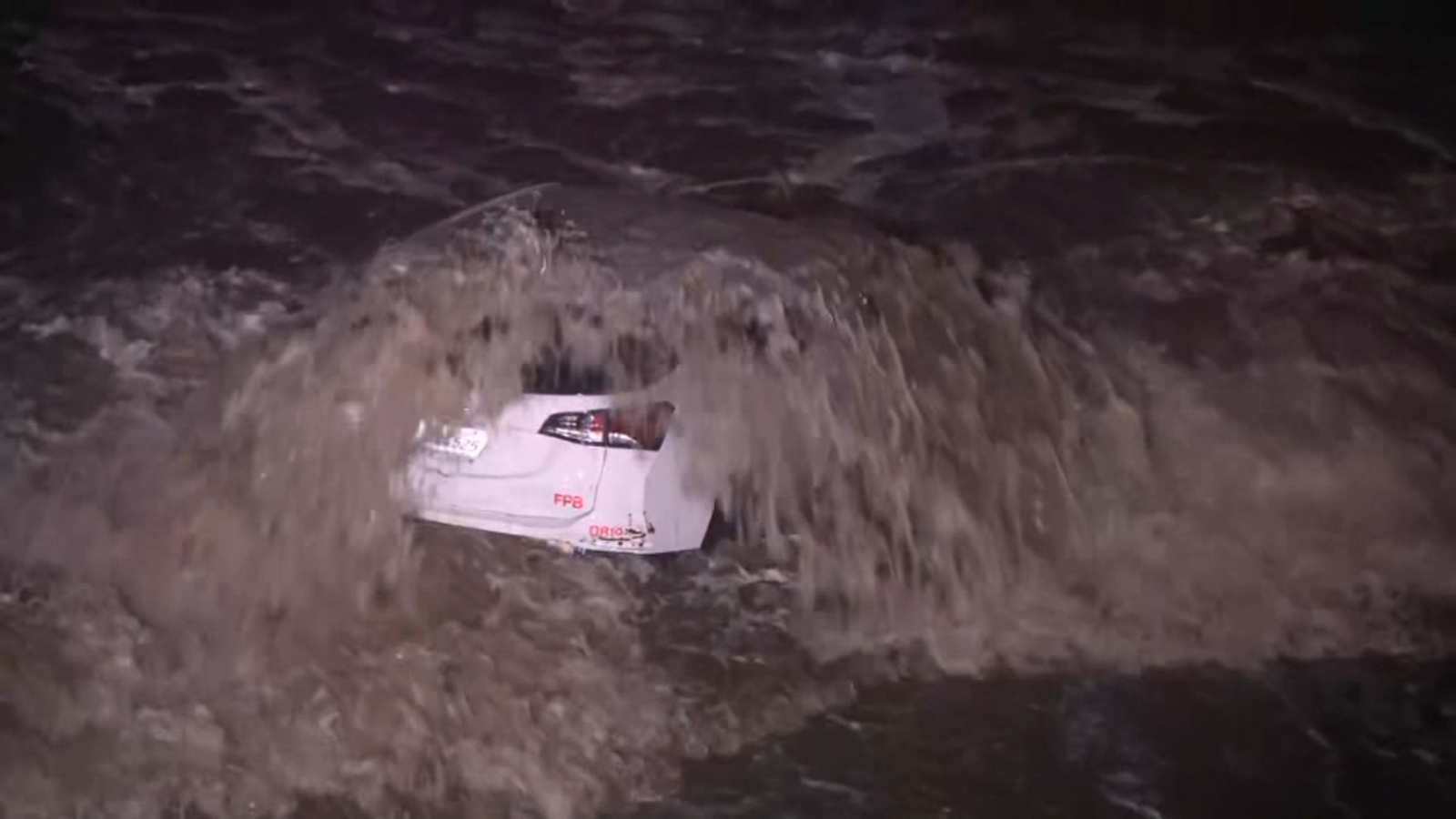
One of the most intense storm systems of the season unleashed heavy rain, fierce winds, and dangerous la storm mudslides across the Los Angeles region on Thursday, February 14, 2025. The powerful atmospheric river transformed fire-scarred hillsides into rivers of mud and debris, flooding roadways, closing major thoroughfares, and even sweeping a Los Angeles Fire Department vehicle off a cliff and into the ocean in Malibu. As evacuation orders took effect and emergency crews scrambled to respond, the storm served as a stark reminder of how vulnerable burn areas remain long after the flames are extinguished.
A Firefighter’s Harrowing Escape in Malibu
The most dramatic moment of the storm unfolded along Big Rock Road in Malibu, where a large debris flow engulfed a Los Angeles Fire Department vehicle and carried it off the road and into the Pacific Ocean. A member of the LAFD was inside the vehicle at the time, according to Public Information Officer Erik Scott, who confirmed the incident in a post on X (formerly Twitter).
Miraculously, the firefighter was able to escape the vehicle and reach safety, sustaining only minor injuries. He was transported to a local hospital as a precaution. The remarkable survival story quickly became the defining image of an otherwise chaotic day across Southern California, highlighting just how rapidly conditions can deteriorate when la storm mudslides strike recently burned terrain.
Severe Weather Grips the Region
The storm intensified rapidly Thursday evening as a powerful line of severe thunderstorms stretched from north of Pasadena all the way to Malibu. Rain came down in torrents, and wind gusts reached up to 70 mph in some areas. Adding to the mayhem, a possible tornado reportedly touched down at a mobile home park near Oxnard, approximately 60 miles north of Los Angeles, causing damage to several structures.
Much of the greater Los Angeles area remained under both a severe thunderstorm warning and a flash flood warning until 8 p.m. PST. The National Weather Service cautioned residents about the heightened risk of dangerous conditions, particularly in vulnerable burn scar zones.
Mudslides, Flooding, and Road Closures Across LA
Videos shared by UnifiedLA on social media captured the sheer force of the storm, showing muddy water cascading onto Pacific Coast Highway and completely submerging sections of Malibu Canyon Road. The footage painted a vivid picture of the destruction unfolding in real time as la storm mudslides overwhelmed drainage systems and pushed debris onto some of the region’s most heavily traveled coastal routes.
Pacific Coast Highway Takes a Direct Hit
According to ABC-owned KABC, multiple mudslides were reported throughout the Palisades Fire burn area. A notable slide occurred on Pacific Coast Highway at Los Flores Canyon Road in Malibu, where thick, brown sludge pooled across multiple lanes. Dramatic video from the scene showed bulldozers working furiously to push streams of muddy water off the road, while firefighters trudged through nearly waist-deep swamps of debris in an effort to clear the area and assist stranded motorists.
Some mountainous and hillside neighborhoods were forecasted to receive more than 6 inches of rain during the storm, raising fears of additional slides and flooding throughout the night.
Burn Scar Areas Face the Greatest Danger
The greatest concern throughout the event centered on the burn scar areas left behind by last month’s devastating Palisades and Eaton fires. When wildfires strip vegetation from hillsides, the soil loses its ability to absorb rainfall, dramatically increasing the likelihood of flash floods and destructive mudslides. This phenomenon, known as a “debris flow” or “post-fire mudslide,” can occur with little warning and turn quiet neighborhoods into disaster zones within minutes.
City and County Mobilize Emergency Response
Recognizing the threat, Los Angeles Mayor Karen Bass outlined a comprehensive set of preparations the city had undertaken in advance of the storm. Crews worked to clear catch basins of fire debris, and more than 6,500 sandbags were distributed to residents. Additionally, over 7,500 feet of concrete barriers were deployed across at-risk areas, and specialized systems were put in place to capture polluted stormwater runoff that often follows wildfires.
Evacuation Orders and Warnings Issued
Los Angeles County Sheriff Robert Luna addressed the media at a Wednesday news conference, detailing the multi-agency response. Sheriff’s deputies fanned out across the community to distribute sandbags and provide mud and debris safety tips to residents. Homeless outreach teams also played a critical role, actively notifying individuals living in flood-prone areas such as the LA River and Coyote Creek, urging them to relocate to safer ground.
Evacuation warnings were announced for several areas impacted by the Palisades Fire, while a more serious evacuation order was issued for parts of Sierra Madre affected by the Eaton Fire, according to Los Angeles ABC station KABC. The Santa Monica-Malibu Unified School District announced that all Malibu schools would be closed on Thursday and possibly Friday as a precaution.
A Stark Warning to Residents
Sheriff Luna delivered a sobering message to anyone considering staying behind in an evacuation zone: “Unfortunately, we’ve witnessed numerous, numerous instances in the past of swift-water rescues where people were caught in dangerous, fast-moving water, and obviously, we want to prevent that.”
He continued with a pointed reminder of the stakes involved: “Nothing that you have back home is worth your life. If you decide to stay in your property in an evacuated area, debris from the burn scar areas and storm may impede roads, and we may not be able to reach you.”
Storm’s Reach Extends Beyond Southern California
While Los Angeles bore the brunt of the system’s fury, the storm’s impact stretched far beyond Southern California. The system first made landfall over the San Francisco Bay Area on Thursday morning, bringing heavy rain and wind gusts up to 62 mph. Flood watches blanketed the entire California coastline, from San Francisco all the way down to San Diego.
Chaos on the Roads in Oregon
Farther north, in the Portland metropolitan area, whiteout conditions led to a massive pile-up involving dozens of cars and trucks on Interstate 84, according to the Oregon State Police. Miraculously, no serious injuries were reported from the multi-vehicle collision, though the incident underscored the storm’s broad geographic footprint.
Heavy Snow Pounds the Sierra Nevada
As the storm system moved through the West, it also delivered an enormous amount of snow to higher elevations. The Sierra Nevada mountain range was buried under staggering totals, with forecasts predicting up to 8 feet of fresh powder. While the snowfall offered a welcome boost to the region’s snowpack and water supply, it also created dangerous travel conditions and elevated avalanche risks in backcountry areas.
Looking Ahead: Recovery and Lingering Threats
As the rain began to subside overnight, forecasters predicted a chance of lingering showers on Friday, raising concerns about continued instability in already-saturated burn scar zones. The combination of saturated soil, ongoing runoff, and additional rainfall could trigger secondary slides well after the most intense weather has passed.
The events of this week serve as a sobering preview of what’s likely to come in the months ahead. California typically experiences its most dangerous post-fire debris flows during the early winter rainy season, when the first significant storms hit landscapes that have been stripped of their natural defenses. For residents of Malibu, the Palisades, Altadena, and Sierra Madre, the road to recovery from January’s catastrophic fires now includes a long, anxious period of vulnerability to every passing weather system.
Emergency management officials across Southern California are urging residents in fire-affected neighborhoods to stay alert, monitor official channels for updates, and take evacuation orders seriously. With the la storm mudslides of February 2025 fresh in mind, the message from first responders is unmistakable: when the ground gives way, every minute counts, and no possession is worth risking a life. The coming weeks will be a critical test of preparation, resilience, and community cooperation as Los Angeles continues to navigate the long aftermath of an unprecedented fire and storm season.