
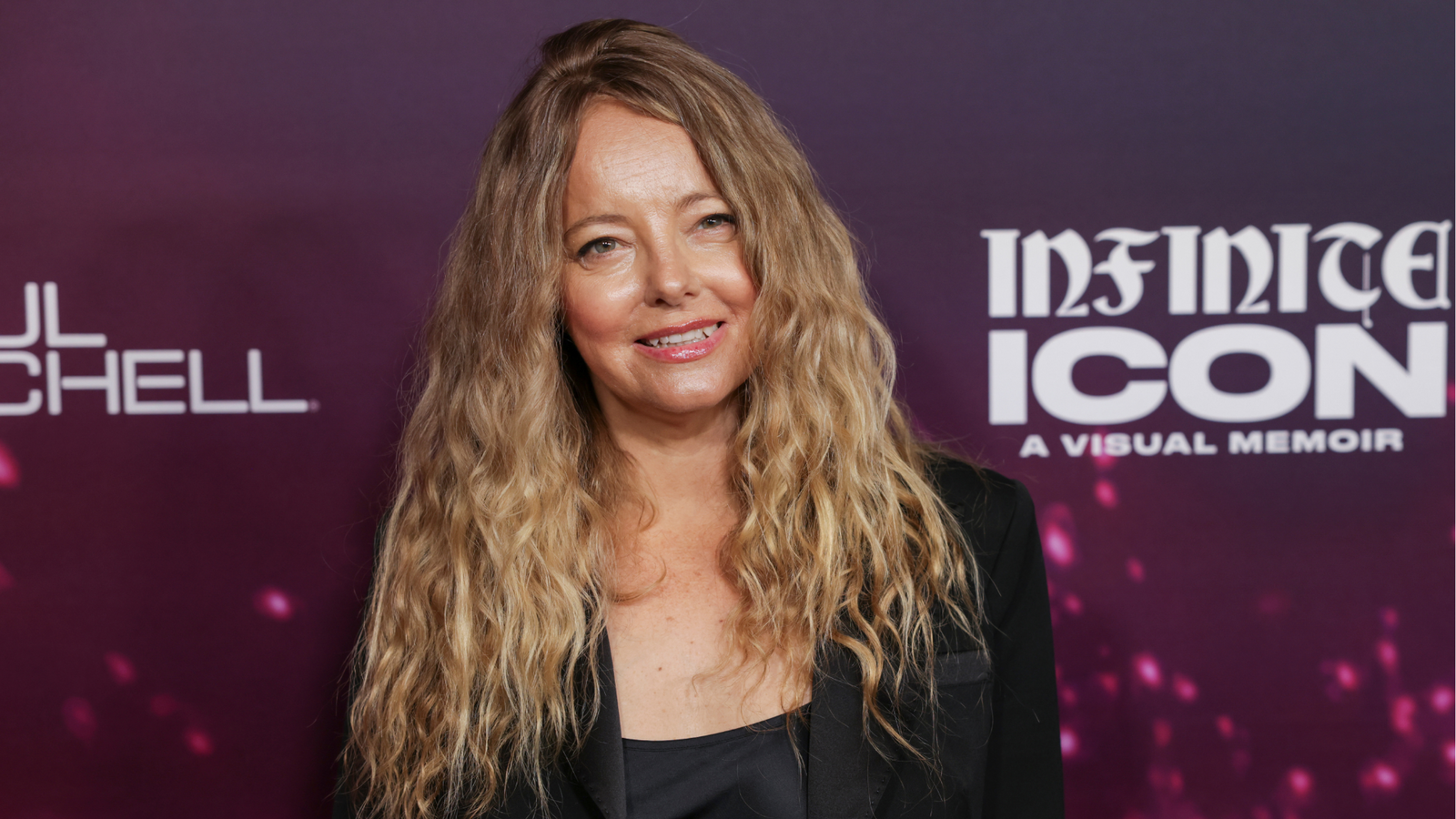
If you’ve spent any time on social media recently, you may have come across the heartbreaking yet powerful kidney donor plea shared by actress Bijou Phillips. The “Almost Famous” star took to Instagram with an emotional and urgent appeal, asking the public to help her find a living donor before time runs out. Her story has sparked conversations about organ donation, the realities of living with kidney disease, and the life-changing impact a single donor can have.
Phillips’ public appeal brings to light a deeply personal health journey that has spanned decades. Born with underdeveloped kidneys, she spent the first three months of her life in the neonatal intensive care unit on dialysis. In 2017, she received what she described as “the incredible gift of a kidney” from a close friend, giving her eight additional years to watch her daughter grow. But complications, including a serious viral infection, have since left her back on dialysis and once again searching for hope.
A Lifetime Battle With Kidney Disease
Phillips’ story is a powerful reminder that kidney disease can affect anyone from birth through adulthood. Being born with underdeveloped kidneys is a rare condition that often requires immediate medical intervention, including dialysis in the earliest days of life. For Phillips, this was just the beginning of a lifelong relationship with healthcare providers, treatments, and the looming uncertainty of organ function.
When she received her first transplant in 2017 from a devoted friend, Phillips experienced what countless transplant recipients describe as a second chance at life. The transplant gave her the precious ability to be present as a mother, something she has spoken about as the greatest gift she could have received. However, even successful transplants come with long-term risks, and Phillips’ journey illustrates just how fragile the post-transplant period can be.
Understanding BK Virus and Transplant Complications
One of the most concerning developments in Phillips’ case is her diagnosis of BK virus, also known as polyomavirus. This is a virus that most people are exposed to during childhood, often without ever knowing it. Once contracted, the virus typically remains dormant in the body for life. However, for people who have undergone organ transplantation and take immunosuppressant medications to prevent rejection, the virus can reactivate.
The connection between BK virus and kidney transplant complications is well-documented in medical literature. Because immunosuppressive drugs intentionally lower the body’s ability to fight off infections, dormant viruses like BK can suddenly become active again. When BK virus reactivates in a transplant recipient, it can attack the newly transplanted kidney, leading to both cellular and antibody-mediated rejection. This is precisely what Phillips disclosed in her social media post.
Symptoms of an active BK virus infection can include:
- Changes in vision
- Noticeable changes in the color of urine
- Pain or difficulty when urinating
- Increased frequency of urination
- Trouble breathing
- Fever
- Unexplained muscle pain
For transplant recipients, regular monitoring through blood and urine tests is essential to catch BK virus reactivation early. Unfortunately, even with vigilant monitoring, the virus can sometimes cause irreversible damage to the transplanted organ, which appears to be the case for Phillips.
The Urgent Plea for a Living Donor
Phillips’ decision to turn to social media for help highlights just how critical the shortage of organ donors has become. In her Instagram post, she asked the public to consider becoming a living kidney donor, emphasizing that “time is of the essence.” She included a link to a Google form in her bio, where potentially eligible donors can begin the screening process.
The shift toward living donor transplants has been one of the most significant developments in modern transplant medicine. Unlike deceased donor organs, which can remain viable for only a limited window after procurement, kidneys from living donors typically function better and last significantly longer. A kidney from a living donor can often last 15 to 20 years or more, compared to an average of 10 to 15 years for kidneys from deceased donors.
Who Can Become a Kidney Donor?
Many people are surprised to learn that becoming a kidney donor doesn’t require being a blood relative. In fact, thanks to paired exchange programs and medical advances, the kiddon donation requirements are broader than ever. Generally, potential living kidney donors must:
- Be at least 18 years old (some programs require 21 or 25)
- Be in generally good physical and mental health
- Have no significant kidney disease, diabetes, or uncontrolled hypertension
- Have a compatible blood type with the recipient
- Be a non-smoker or willing to quit for a period before surgery
- Have a body mass index within an acceptable range
Donors don’t necessarily need to donate directly to their intended recipient. Paired kidney exchanges allow incompatible donor-recipient pairs to swap with other pairs, ensuring more transplants happen overall.
The Reality of Waiting Lists and Time
Phillips’ urgency is far from unique. In the United States alone, more than 90,000 people are currently on the national organ transplant waiting list, and a significant majority of them are waiting specifically for a kidney. The average wait time for a deceased donor kidney can stretch several years, depending on blood type, geographic region, and medical urgency. For many patients, dialysis becomes the bridge between failed transplants and the next available organ.
Returning to dialysis is a physically and emotionally taxing experience. Patients often experience fatigue, dietary restrictions, frequent medical appointments, and a reduced quality of life compared to the freedom that a functioning transplant provides. For Phillips, who spoke about wanting to have “more time with my daughter, family, and friends,” being back on dialysis is a stark reminder of how precious functioning kidneys truly are.
How the Kidney Donation Process Works
For those inspired by Phillips’ story to explore the kidney donation process, here is what to generally expect:
- Initial Screening: Potential donors fill out a questionnaire about their medical history, lifestyle, and motivations for donating.
- Blood and Tissue Testing: Compatibility testing determines if the donor’s blood type and tissue markers are a match for the intended recipient.
- Comprehensive Medical Evaluation: Donors undergo extensive testing, including imaging scans, blood work, and consultations with nephrologists and surgeons.
- Independent Donor Advocate: Every potential donor is assigned an advocate who ensures the decision is voluntary and well-informed.
- Surgery and Recovery: Donor nephrectomy is typically performed laparoscopically, with shorter recovery times than open surgery. Most donors return to normal activities within four to six weeks.
- Follow-Up Care: Donors receive long-term medical monitoring to ensure their remaining kidney stays healthy.
Living kidney donation is considered safe, with mortality risk estimated at roughly 0.03 percent. The vast majority of donors go on to live completely normal, healthy lives with one kidney.
The Power of Public Appeals
Public pleas like Phillips’ have a remarkable track record of finding matches. Social media has transformed the landscape of organ donation awareness, with countless stories of strangers stepping forward after seeing a heartfelt appeal online. Campaigns like these raise general awareness about organ donation and prompt people who may never have considered donation to look into it.
Even if someone isn’t a match for Phillips specifically, going through the screening process and joining a paired exchange network could still help another patient in desperate need. This ripple effect is part of what makes living kidney donation such a profound gift.
A Broader Conversation About Kidney Health
Beyond the immediate urgency of Phillips’ appeal, her story is a chance to reflect on kidney disease awareness more broadly. Chronic kidney disease affects an estimated 37 million Americans, many of whom are unaware they have it. Conditions like high blood pressure, diabetes, and family history significantly increase risk. Early detection through routine blood and urine tests can slow or even prevent disease progression.
Phillips, now in her forties, has spent virtually her entire life navigating the complexities of kidney disease. Her willingness to share such a vulnerable moment publicly shows tremendous courage and serves as a powerful reminder that behind every medical statistic is a real person fighting for time with the people they love.
Conclusion
The kidney donor plea issued by Bijou Phillips is more than a celebrity health update. It is a deeply human appeal that touches on organ shortage, medical resilience, and the bonds of family and friendship. Her eight years with her transplanted kidney, spent watching her daughter grow, are testament to the gift that living organ donors provide. As she searches for another match, her story invites all of us to consider how we might contribute, whether by signing up to learn more about donation, sharing her appeal, or simply having conversations with our loved ones about organ donation wishes.
If you are moved by Phillips’ story and want to help, you can visit the link in her Instagram bio to begin the donor screening process. Even if you are not a match for her, your willingness to explore living donation could change someone else’s life in ways you may never fully realize. In the face of an urgent medical crisis, hope often begins with the kindness of strangers.