
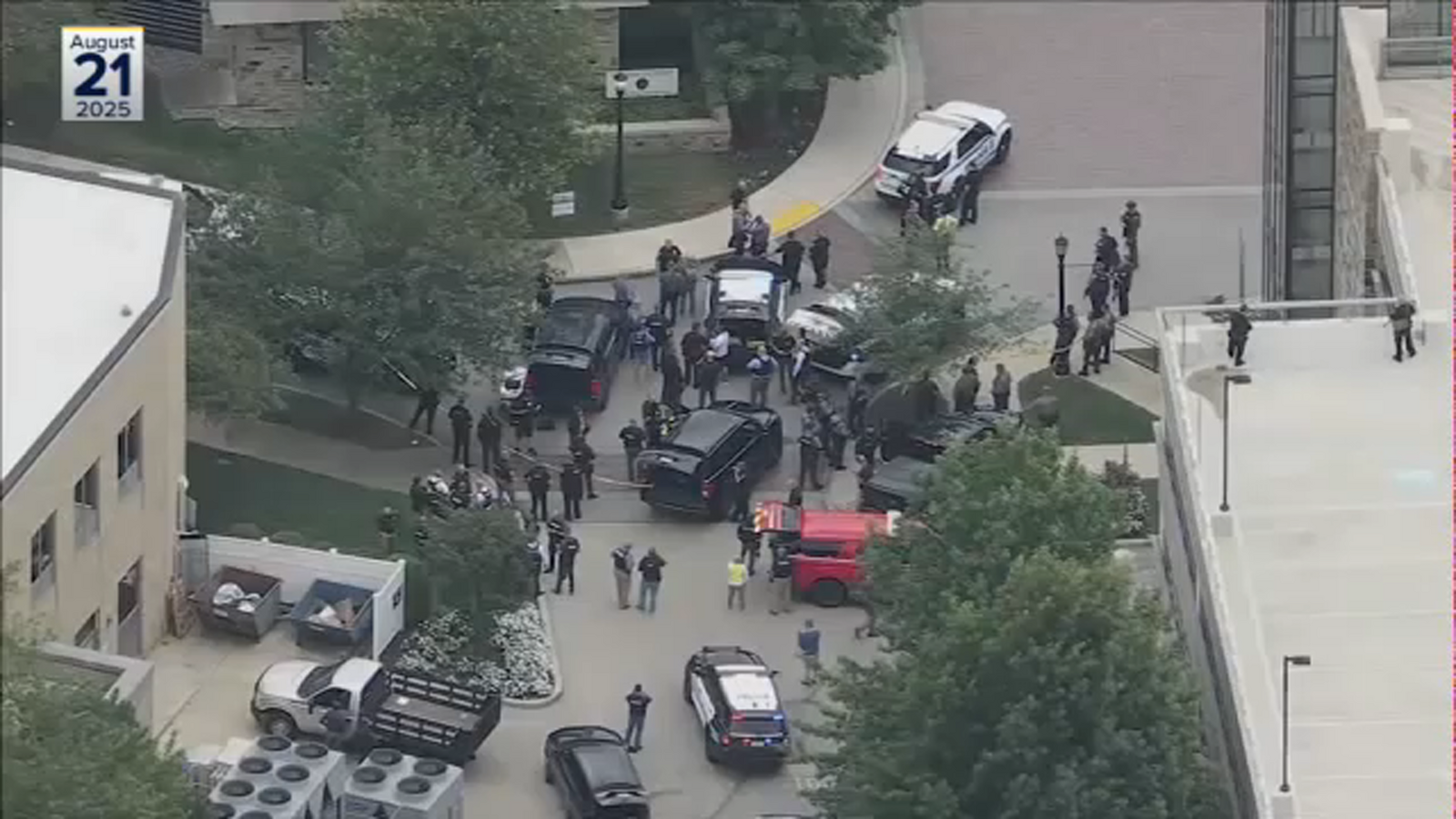
A Villanova swatting incident that sent shockwaves through the campus community in August 2025 has resulted in federal charges against a juvenile suspect. The case, announced by U.S. Attorney David Metcalf, has drawn national attention to the growing problem of swatting and the serious legal consequences that follow for those who weaponize emergency response systems. Authorities have identified the accused as a self-reported member of a cybercriminal group known as “Purgatory,” raising broader concerns about coordinated online threats targeting educational institutions.
The August 2025 Villanova Swatting Incident
On a tense August afternoon, Villanova University became the epicenter of a frightening security scare when a hoax active shooter alert was issued across the campus. The panic that ensued was immediate and visceral, with students, faculty, and staff forced to grapple with what they believed was a real-world emergency. In reality, the entire ordeal was the result of a deliberate swatting call,an act that has since prompted significant legal action and a broader conversation about campus safety.
Swatting, the practice of making false emergency reports to provoke a heavily armed law enforcement response, has emerged as one of the most dangerous forms of online-enabled harassment. The Villanova swatting incident exemplifies how a single phone call from an anonymous source can transform an ordinary day into a scene of mass terror, all without the perpetrator ever setting foot on the affected campus.
How the Hoax Unfolded
According to investigators, the juvenile suspect placed fraudulent calls that triggered active shooter protocols at Villanova University and several other institutions. The calls mimicked the kind of credible threat that police departments cannot afford to ignore, prompting an overwhelming response from local law enforcement agencies, including the Radnor Township Police Department, the Villanova University Police, and the Lower Merion Police Department.
The coordinated response, while necessary given the apparent severity of the threat, resulted in what Delaware County DA Tanner Rouse described as “unprecedented fear on campus that afternoon.” Students sheltered in place, classrooms were locked down, and the university community experienced firsthand the kind of panic that has become all too familiar in the era of mass shootings.
The Juvenile Suspect and Federal Charges
In a striking development, federal authorities have charged the suspect,a juvenile whose identity has not been released due to their age,with offenses related to the swatting calls. The decision to pursue federal prosecution against a minor underscores the gravity with which law enforcement is treating these crimes.
Why Federal Involvement Matters
The involvement of U.S. Attorney David Metcalf’s office signals that prosecutors view this case as more than a juvenile prank. Federal charges for swatting-related offenses can carry substantial penalties, including:
- Lengthy prison sentences when the hoax results in serious injury or death
- Substantial financial penalties to cover the cost of emergency response
- Federal conspiracy charges when multiple targets are involved
- Computer fraud and abuse violations for using telecommunications systems to facilitate the crime
DA Rouse emphasized that “a juvenile would be subject to federal prosecution reflects the seriousness of these offenses and the distress these actions have caused.” His statement makes clear that age will not serve as a shield from accountability in cases involving threats to public safety.
The Cybercriminal Group “Purgatory”
One of the more alarming revelations to emerge from the investigation is the suspect’s claimed affiliation with “Purgatory,” a cybercriminal group that has gained notoriety in underground online communities. Investigators have stated that the suspect was a self-identified member of this organization, though the precise nature of their involvement remains under investigation.
A Pattern of Random Targeting
Perhaps the most unsettling aspect of the Villanova swatting incident is that investigators believe the institutions were chosen at random. The suspect had no apparent connection to Villanova University or any of the other schools targeted in August 2025. This arbitrary selection process suggests a motive rooted in notoriety rather than personal grievance,a hallmark of swatting culture, where the goal is often to gain attention or demonstrate technical prowess within online communities.
Cybercriminal groups like Purgatory frequently operate in digital spaces where members compete to pull off increasingly audacious hoaxes. The gamification of swatting has transformed what was once an isolated crime into a coordinated activity that can affect dozens of institutions simultaneously.
The Broader Implications of Swatting at Universities
The Villanova swatting incident is far from an isolated occurrence. Educational institutions across the country have faced similar threats in recent years, and experts warn that the trend is escalating. The vulnerability of open campuses, combined with the public nature of active shooter alerts, makes universities particularly attractive targets for perpetrators seeking maximum disruption.
The Psychological Toll on Campus Communities
Beyond the immediate logistical challenges, swatting incidents inflict deep psychological wounds on the communities they affect. For students who have survived actual mass shootings or grown up practicing active shooter drills, a hoax alert can be retraumatizing. The fear that gripped the Villanova campus that August afternoon was not hypothetical,it was rooted in the lived reality of gun violence in American schools.
University leaders have increasingly called for greater attention to the mental health fallout from these incidents, noting that the “cruel hoax” nature of the crime, as Villanova’s president described it, can leave lasting scars on those who experienced it.
The Cost of Emergency Response
Swatting incidents also carry significant financial costs. Deploying dozens of officers, activating emergency communication systems, and managing campus lockdowns represents a substantial expenditure of public resources. Some jurisdictions have begun pursuing restitution orders against convicted swatters, but the costs of repeated incidents continue to strain municipal budgets nationwide.
Legal Consequences and What Comes Next
As the federal case against the juvenile suspect proceeds, several legal questions remain at the forefront. The juvenile justice system typically offers more rehabilitative approaches than adult courts, but federal charges for serious crimes can result in transfer to adult prosecution depending on the severity of the offense and the defendant’s history.
Cooperation Between Agencies
The investigation leading to these charges involved close cooperation between multiple agencies, including the FBI, local police departments, and the Delaware County District Attorney’s Office. This collaborative approach reflects the complex, multi-jurisdictional nature of modern cybercrime investigations and demonstrates how federal authorities are increasingly willing to intervene in cases that might previously have been handled at the state level.
Setting a Precedent for Future Cases
Legal experts are watching the case closely, as a successful federal prosecution of a juvenile swatter could establish an important precedent. By demonstrating that these crimes will be pursued vigorously regardless of the perpetrator’s age, prosecutors hope to deter future incidents and signal that swatting is not a victimless crime.
How Universities Are Responding to Swatting Threats
In the wake of the Villanova swatting incident and similar events at institutions nationwide, universities are reassessing their emergency response protocols. Several key strategies have emerged:
- Enhanced verification procedures for incoming threat reports, including call tracing and voice analysis
- Improved communication systems that allow administrators to provide real-time updates to students and parents
- Mental health resources dedicated to supporting community members affected by hoax alerts
- Collaboration with social media platforms to identify and remove accounts that coordinate swatting activities
- Public awareness campaigns that educate students about recognizing and reporting potential threats
These measures represent a recognition that universities cannot simply wait for law enforcement to respond,they must take proactive steps to prevent and mitigate the damage caused by swatting incidents.
Conclusion: A Wake-Up Call for Digital Responsibility
The federal charges filed against the juvenile suspect in the Villanova swatting incident mark a significant moment in the ongoing battle against online-enabled threats to public safety. This case demonstrates that even young offenders will face serious consequences when their actions endanger communities and strain emergency resources. As cybercriminal groups like Purgatory continue to operate in digital shadows, the collaboration between federal and local authorities offers a promising model for accountability.
Ultimately, the lessons of this incident extend far beyond the Villanova campus. Every individual who participates in online communities where swatting is celebrated or encouraged bears some responsibility for fostering a culture that treats threats against schools as entertainment. Combating this phenomenon will require not only aggressive prosecution but also a collective commitment to digital responsibility,one that recognizes the very real human consequences of actions taken from behind a screen.