
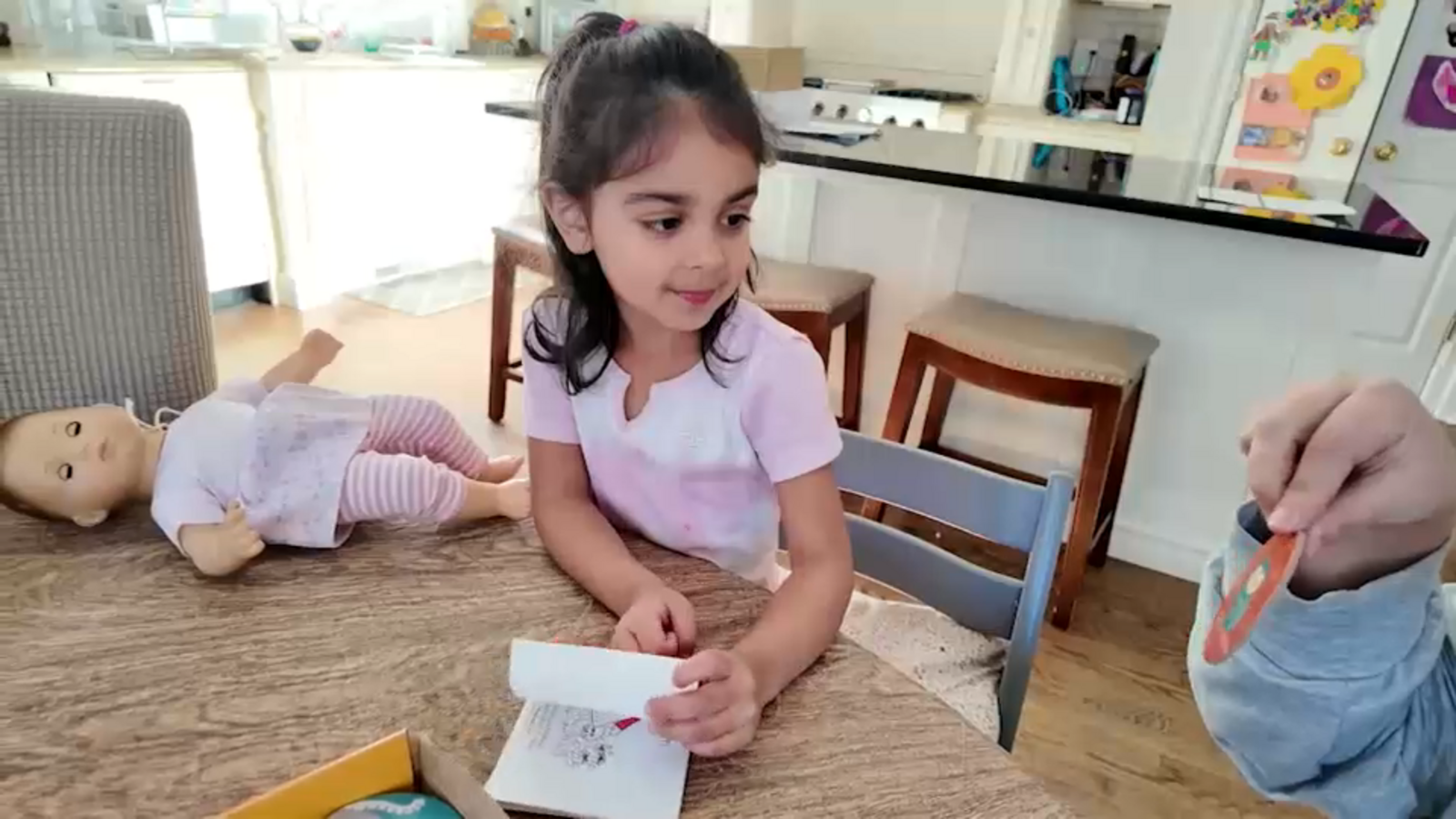
Few things cause more anxiety in a household than the arrival of an official-looking envelope from a courthouse. But imagine opening that envelope only to discover a jury duty summons error so bizarre that your preschooler’s name appears where yours should be. That’s exactly what happened to Dr. Omar Ibrahimi, a Darien, Connecticut resident, when his 4-year-old daughter, Zara, was officially called to serve on a jury. The story, which quickly captured national attention, has sparked conversations about how jury pools are assembled and where the system can go hilariously, yet alarmingly, wrong.
The incident shines a light on a rarely discussed flaw in the jury selection process, one that affects hundreds of thousands of Americans every year. While most jury duty summons errors result in minor inconveniences like repeat notices or incorrect addresses, this case took the cake. Let’s dive into what happened, why it happened, and what it reveals about the inner workings of jury duty selection in America.
The Moment a Dad Realized His Daughter Was “Selected”
It was an ordinary Monday when the Ibrahimi family received mail that looked, at first glance, like the kind of civic obligation every adult dreads. Dr. Ibrahimi assumed the jury summons was addressed to him, as it often happens with adults in a household. Instead, the document bore the name of his youngest child, Zara.
“I actually breathed a sigh of relief when I saw it wasn’t my name on it,” Ibrahimi recalled in an interview. “And then it took me a second. I’m like wait a minute, why is my daughter’s name on this jury summons?”
The summons listed her age as four and her occupation as “preschool student,” with a reporting date of April 15. For a moment, the absurdity of the situation must have felt almost surreal. His daughter’s first civic lesson wasn’t going to be about voting or volunteering; it was going to involve listening to evidence and deciding someone’s guilt or innocence.
When Ibrahimi tried to explain to Zara what jury duty actually is, her response was priceless: “I’m just a baby.” Out of the mouths of preschoolers come the most honest observations, and hers was a clear indication that something had gone very wrong in the jury selection pipeline.
Why Does This Happen? The Surprising Answer
To understand this jury duty summons error, it helps to look at how state judicial branches actually compile their jury pools. In Connecticut, as in many other states, the judicial branch pulls names from a variety of public databases to create a comprehensive and representative cross-section of the population. The typical sources include:
- Department of Motor Vehicles (DMV) records
- Voter registration rolls
- State Department of Labor databases
- Department of Revenue Services tax records
Each of these agencies provides important demographic data that helps ensure juries reflect the communities they serve. However, here’s the kicker: the Department of Revenue Services is the only one of these four entities that submits names without accompanying birthdates. That single missing piece of information created the perfect storm that resulted in a 4-year-old receiving an official court summons.
Without birthdate verification, the jury selection system had no automatic way to filter out names belonging to minors. The result? A database entry for a child, likely tied to a tax-related document or parental filing, ended up in the master jury pool. This is the kind of systemic flaw that doesn’t usually make headlines, but when it does, it makes waves.
A Massive Operation With Tiny Blind Spots
To put this in perspective, Connecticut alone sends out roughly 550,000 jury duty summons every single year. That’s a staggering number, and it illustrates just how massive and complex the jury selection process truly is. With hundreds of thousands of notices going out annually, the occasional jury duty summons error is almost inevitable.
Yet most errors are minor and quickly resolved. In Zara’s case, the error was both comedic and concerning. If a 4-year-old can be pulled into the system, what does that say about the safeguards designed to protect against such mistakes? The answer, at least in Connecticut’s case, is that the safeguards rely heavily on the very databases that sometimes lack complete information.
Interestingly, Zara’s 8-year-old and 12-year-old siblings have not received any jury notices. This inconsistency suggests that the error may have been tied to a specific data entry or filing, perhaps something as simple as a parent’s tax form that included a dependent’s name in a way that triggered inclusion in the jury pool.
How One Dad Fixed the Problem
Rather than letting the matter spiral into a bureaucratic nightmare, Dr. Ibrahimi took matters into his own hands, literally. He went online to the Connecticut judicial branch’s website, where there was a free text box for explaining why a summoned individual couldn’t serve.
His response? Pure gold. He typed: “I haven’t even completed preschool yet, excuse me.”
Case closed. The combination of dry humor and clear logic was enough to get his daughter removed from the jury pool. It’s the kind of response that probably made a few courthouse employees chuckle while processing the request.
Still, the experience left Ibrahimi with lingering questions. As a parent, he found humor in the situation, but he also recognized that the underlying issue could have real consequences for families who don’t catch the error in time. Imagine a busy parent who simply files the notice away, assuming their spouse or another adult will handle it. If that family doesn’t verify the details, the consequences could range from wasted time to potential legal complications.
The Broader Implications of Jury Duty Summons Errors
This isn’t the first time a jury duty summons has gone to someone who clearly shouldn’t have received one. Across the country, stories have surfaced of summons being sent to:
- Deceased individuals
- Non-citizens who are ineligible to serve
- People living out of state
- Individuals with disabilities that prevent service
Each of these cases highlights a gap in the jury selection process. While most states have built-in mechanisms for disqualification and exemption, the initial filtering of eligible candidates is far from perfect. The inclusion of minors in jury pools is particularly troubling because it raises questions about how personal information flows between government agencies and how that information is used.
Privacy advocates have long warned about the dangers of data aggregation across government databases. When names, addresses, and other identifying information are shared freely between agencies without proper verification, errors like Zara’s become more likely. The Connecticut case serves as a lighthearted but important reminder that data accuracy matters, even in seemingly low-stakes situations like jury selection.
What Should You Do If You Receive an Incorrect Jury Summons?
For most people, receiving a jury summons for someone who clearly shouldn’t serve is rare but manageable. Here’s a quick guide on how to handle a jury duty summons error if one lands in your mailbox:
- Don’t ignore it. Even if the summons is clearly meant for someone else or someone who is ineligible, follow up with the issuing court.
- Check the details. Verify the name, age, and address on the notice. If anything looks off, document it.
- Contact the court directly. Most judicial branches have online portals or phone numbers for addressing summons issues.
- Provide clear documentation. If possible, include proof of the person’s ineligibility, such as a birth certificate for a minor or an obituary for a deceased individual.
- Follow up in writing. A paper trail ensures there’s a record of your response, protecting you from any potential legal complications down the road.
In most cases, the court will appreciate the heads-up and remove the individual from the jury pool promptly. Courts are well aware that their databases aren’t perfect, and they typically have staff dedicated to handling these corrections.
Lessons Learned From a Toddler’s Brush With Civic Duty
At the end of the day, Zara Ibrahimi’s story is a feel-good anecdote wrapped around a serious issue. The fact that a 4-year-old can be officially summoned for jury duty is a testament to the complexity, and occasional fragility, of the systems we rely on to administer justice. It also serves as a gentle nudge to government agencies to double-check their data and ensure that the names in jury pools actually belong to eligible adults.
For Dr. Ibrahimi, the experience was both amusing and eye-opening. He handled it with grace, humor, and a quick trip to the court’s website. For the rest of us, it’s a reminder to pay attention to the mail, question what doesn’t make sense, and never underestimate the importance of accurate data in our civic systems.
And as for little Zara? She’s still a preschooler with plenty of time before she ever needs to worry about serving on a jury. But if she ever does get that official envelope someday, at least she’ll have one heck of a story to tell about the first time it happened, even if she was only four years old.