
Every year on June 19th, Americans come together to recognize juneteenth , a powerful holiday commemorating the moment enslaved people in Galveston, Texas, finally learned they had been freed. This monumental day occurred two and a half years after President Abraham Lincoln issued the Emancipation Proclamation, marking the true end of slavery for the last remaining enslaved people in the Confederate South. The name itself is a beautiful linguistic blend of “June” and “nineteenth,” reflecting the date that changed history forever.
Since that fateful day in 1865, juneteenth has evolved from a regional observance into a nationally recognized celebration. In 2021, President Joe Biden signed legislation making it a federal holiday, officially expanding its recognition far beyond Black America. Today, the holiday continues to grow in significance, drawing millions into its message of freedom, reflection, and unity.
Why Juneteenth Matters More Than Ever
Understanding the juneteenth meaning requires looking beyond the calendar date. Juneteenth represents the delayed promise of freedom , the gap between legal emancipation and actual liberation. When Union General Gordon Granger arrived in Galveston with federal troops, he delivered General Order No. 3, announcing that all enslaved people in Texas were free. For countless families, this announcement was the first they had ever heard of their liberation.
The delay itself tells a powerful story. News traveled slowly in the 19th century, and some enslavers deliberately withheld information about the Emancipation Proclamation to maintain forced labor for an additional harvest season. Juneteenth, therefore, is not merely a historical footnote but a testament to resilience, patience, and the enduring pursuit of freedom.
How to Celebrate Juneteenth: Finding Your Own Meaningful Approach
Solemn Remembrance vs. Joyful Celebration
One of the most common questions people ask is whether juneteenth should be observed as a somber occasion or a festive one. The honest answer is that it can be either , or both. Historically, juneteenth celebrations were rooted in outdoor cookouts and large family reunions. Formerly enslaved people, many of whom had been torn apart and sold across state lines, used these gatherings as rare opportunities to reconnect with loved ones.
These early celebrations carried a revolutionary spirit precisely because they were held outdoors, free from the restrictive “Black Codes” that governed the daily lives of newly freed Black Americans in Confederate states. These codes attempted to control where Black people could gather, worship, work, and live. By celebrating openly, communities reclaimed their autonomy and dignity.
Modern Ways to Honor the Day
Today, juneteenth celebrations take many forms. Some people attend community service projects, participate in educational panels, or simply take the day off work for quiet reflection. Others embrace the festive tradition with cookouts, music festivals, parades, and cultural events. Both approaches carry deep meaning.
Marc Morial, president and CEO of the National Urban League, offers this advice: “The most important thing everyone should do is be able to quickly answer the question ‘What is juneteenth?'” Education and awareness, he suggests, are the foundation of genuine celebration.
Public Juneteenth Events Worth Attending
Across the country, juneteenth events range from intimate community gatherings to massive festivals. A quick online search reveals a diverse landscape of activities:
- Carnival-style festivals featuring food trucks, arts and crafts, and parades
- Educational panels exploring juneteenth history and its ongoing relevance
- Concerts and fashion shows showcasing Black artistic excellence
- Health and resource fairs offering community services and information
- Family-friendly activities designed to introduce younger generations to the holiday’s significance
For those in the Galveston area, the celebration holds extra weight as the birthplace of the holiday. Local venues often host special performances, and the historical significance of standing in the very place where freedom was announced adds a profound dimension to any festivities attended there.
Juneteenth Decorations and the Symbols of Freedom
The Flags of Juneteenth
Two flags prominently feature in juneteenth celebrations, each carrying its own powerful symbolism. The Pan-African flag, also known as the African Liberation Flag, has historically been displayed during Black History Month and juneteenth events alike. Its colors carry deep meaning:
- Red represents the bloodshed and sacrifice of enslaved ancestors
- Black symbolizes the Black community itself
- Green represents the richness and fertility of the African homeland
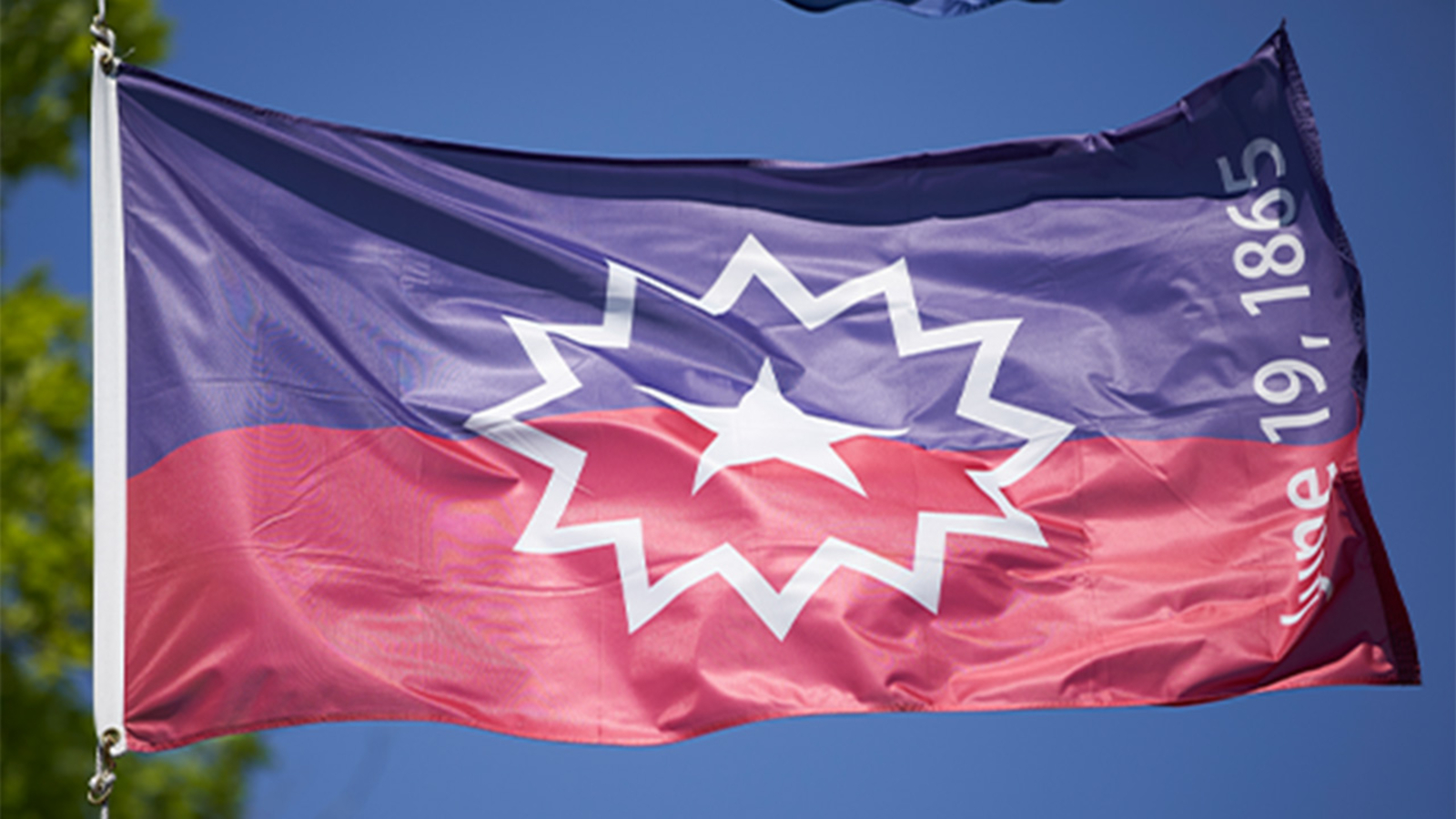
In recent years, a second flag has gained tremendous popularity. Created in 1997 by activist Ben Haith, founder of the National Juneteenth Celebration Foundation, this flag uses red, white, and blue to declare that freed enslaved people are also Americans. A five-point white star in the center pays tribute to Texas as juneteenth’s birthplace, while a surrounding starry burst represents freedom’s expansion across the nation.
Traditional Juneteenth Foods
Food plays a central role in any juneteenth celebration, and the color red dominates traditional menus. This choice is no coincidence , red continues the symbolism of bloodshed and ancestral sacrifice. Classic juneteenth food offerings include:
- Barbecued ribs and other red meats
- Fresh watermelon slices
- Red velvet cake
- Fruit punch and red Kool-Aid
- Hibiscus tea and other ruby-hued beverages
These foods connect modern celebrations to the cookouts and picnics that defined the holiday’s earliest observances, creating a delicious thread between past and present.
Navigating Juneteenth as a Non-Black Ally
A common concern among non-Black Americans is whether they have a legitimate place in juneteenth celebrations. Dr. Karida Brown, a sociology professor at Emory University whose research centers on race, offers a compelling perspective: there is absolutely no reason to feel awkward about participating. In fact, embracing the holiday is encouraged.
“I would reframe that and challenge my non-Black folks who want to lean into juneteenth and celebrate,” Brown explains. “It absolutely is your history. It absolutely is a part of your experience. Isn’t this all of our history? The good, the bad, the ugly, the story of emancipation and freedom for your Black brothers and sisters under the Constitution of the law.”
The key, according to many cultural leaders, is approaching the holiday with genuine respect, a willingness to learn, and support for Black-owned businesses and community initiatives.
Other Names for Juneteenth: A Holiday of Many Titles
Over its 161-year history, juneteenth has accumulated numerous affectionate and descriptive titles, including:
- Freedom Day
- Emancipation Day
- Black Fourth of July
- Second Independence Day
These alternate names reflect the holiday’s deep connection to American ideals of liberty. As Dr. Brown notes, the traditional July 4th holiday carries a “bittersweet tinge” for many Black Americans because the original Independence Day did not include their ancestors. Juneteenth, by contrast, represents an inclusive freedom , one that honors the full scope of American history.
What’s the Right Way to Greet Someone on Juneteenth?
If you’re unsure how to acknowledge the holiday verbally, keep it simple and warm. The most common and widely accepted juneteenth greetings are “Happy Juneteenth” or the more casual “Happy Teenth.” These phrases carry the same friendly energy as “Merry Christmas” , they’re meant to be shared freely, even with strangers.
As comedian Alan Freeman, who organizes juneteenth comedy events in Galveston, puts it: “You know how at Christmas people will say ‘Merry Christmas’ to each other and not even know each other? This is the same way.” The spirit of the greeting is one of shared celebration and mutual recognition.
Embracing Juneteenth in 2026 and Beyond
As juneteenth enters its 161st year, the holiday continues evolving in meaningful ways. Some commercial retailers have pulled back from overt juneteenth merchandise, but this shift presents an opportunity for consumers to seek out and support Black-owned vendors directly. Community leaders like Morial actively encourage this approach, viewing it as a chance to put celebration dollars back into the hands of those who have preserved the holiday’s legacy for generations.
Whether you choose to attend a vibrant street festival, volunteer in your community, study the history more deeply, or simply share a meaningful meal with loved ones, your participation in juneteenth contributes to its growing legacy. This holiday represents not just a historical milestone but an ongoing commitment to freedom, justice, and the recognition that the story of American emancipation belongs to everyone. As you mark this Juneteenth, remember that celebrating it , in whatever way feels authentic to you , is itself an act of honoring the enduring promise of liberty for all.