
Juneteenth marks one of the most significant days in American history , a celebration of freedom, resilience, and the long-delayed promise of liberty for enslaved African Americans. As we approach Juneteenth 2025, communities across the country are preparing to honor the 160th anniversary of the day enslaved people in Galveston, Texas, finally learned they had been freed. Whether you’re new to the holiday or looking to deepen your understanding, this guide explores the rich Juneteenth history, its deep cultural meaning, and meaningful ways to participate in this powerful observance.
The Origin Story: What Happened on June 19, 1865?
To truly grasp the significance of Juneteenth, you have to go back to the final days of the Civil War. On June 19, 1865 , more than two months after Confederate General Robert E. Lee surrendered at Appomattox , Union General Gordon Granger arrived in Galveston, Texas, with federal troops. He carried General Order No. 3, which announced that all enslaved people in Texas were free.
This news came a staggering two and a half years after President Abraham Lincoln issued the Emancipation Proclamation in 1863. The delay wasn’t accidental. Texas, a remote Confederate state, had largely been able to ignore the proclamation, and enslavers throughout the region had no intention of giving up their unpaid labor without enforcement. Granger’s arrival changed everything.
The name “Juneteenth” is simply a portmanteau of “June” and “nineteenth,” and it has stuck for 160 years. In the generations that followed, formerly enslaved people and their descendants carried the celebration with them as they migrated across the country, ensuring the story of that day in Galveston would never be forgotten.
From Texas Tradition to National Federal Holiday
For more than a century, Juneteenth celebrations remained largely a Black American tradition, observed with cookouts, prayer services, and community gatherings , particularly across the South. It wasn’t until June 17, 2021, that President Joe Biden signed the Juneteenth National Independence Day Act into law, establishing June 19 as a federal holiday.
This designation represented a major milestone in American public life. For the first time, the federal government formally acknowledged the end of slavery , an institution that had shaped the country’s economy, culture, and moral fabric for 250 years. The holiday’s elevation sparked widespread reflection and a renewed push to educate all Americans about this often-overlooked chapter of history.
The Deep Meaning Behind Juneteenth
At its heart, Juneteenth meaning extends far beyond a historical anniversary. It represents the realization of freedom that had been legally promised but practically denied. Many scholars and community leaders describe it as the true “Black Independence Day” or “second Independence Day” , because the liberties celebrated on July 4, 1776, did not extend to enslaved Africans or their descendants.
“The story of emancipation and freedom for your Black brothers and sisters under the Constitution of the law , isn’t this all of our history?” notes Dr. Karida Brown, a sociology professor at Emory University. The day carries that dual weight: both a celebration of liberation and a sobering reminder of how long justice can be delayed.
The holiday also acknowledges the lived reality under “Black Codes” , restrictive laws enforced in former Confederate states that controlled where freed people could live, work, worship, and gather. Early Juneteenth gatherings were themselves acts of defiance, as formerly enslaved families reunited in open fields and public spaces, free from those oppressive regulations.
Other Names for Juneteenth
Over the decades, Juneteenth has been known by several powerful names, each capturing a different facet of its significance:
- Freedom Day
- Emancipation Day
- Black Fourth of July
- Second Independence Day
- Juneteenth Independence Day
These alternate names reflect the day’s layered identity , part birthday, part remembrance, part protest, and part promise.
Ways to Celebrate Juneteenth in 2025
One of the most common questions people ask is: Is there a “right” way to celebrate Juneteenth? The honest answer is that Juneteenth celebrations can take many forms, and there is no single correct approach.
Festivals, Parades, and Street Fairs
From coast to coast, cities will host vibrant Juneteenth events featuring food trucks, live music, dance performances, fashion shows, and parades. Many festivals also include booths offering information on health care, financial literacy, and community resources , making them both festive and educational. Searching online for local Juneteenth 2025 events in your area is one of the easiest ways to find a gathering nearby.
Cookouts and Community Gatherings
The Juneteenth cookout is more than a backyard party , it’s a living tradition rooted in the original outdoor reunions of formerly enslaved families. These gatherings emphasized joy, connection, and abundance in the face of generational trauma. Hosting or attending a cookout remains one of the most authentic ways to mark the day.
Days of Reflection and Service
Not everyone views Juneteenth as a party , and that’s perfectly valid. Many people choose to observe it as a solemn day of remembrance through community service, volunteering, attending educational panels, or simply taking time off work to reflect on what freedom means in their own lives. Marc Morial, president and CEO of the National Urban League, emphasizes that the most important thing anyone can do is be able to confidently answer the question, “What is Juneteenth?”
Music, Art, and Cultural Programming
From gospel concerts and jazz performances to art exhibitions and spoken-word events, Black creativity takes center stage during Juneteenth week. In past years, even the White House has hosted concerts on the South Lawn in honor of the holiday and Black Music Month.
Juneteenth Decorations: Flags, Colors, and Symbols
If you’re hosting or attending a celebration, familiarizing yourself with traditional Juneteenth decorations can deepen the experience.
The Pan-African flag, also known as the African Liberation Flag, features bold red, black, and green stripes. Red honors the bloodshed and sacrifice of enslaved ancestors, black represents the people themselves, and green symbolizes the richness of the African homeland.
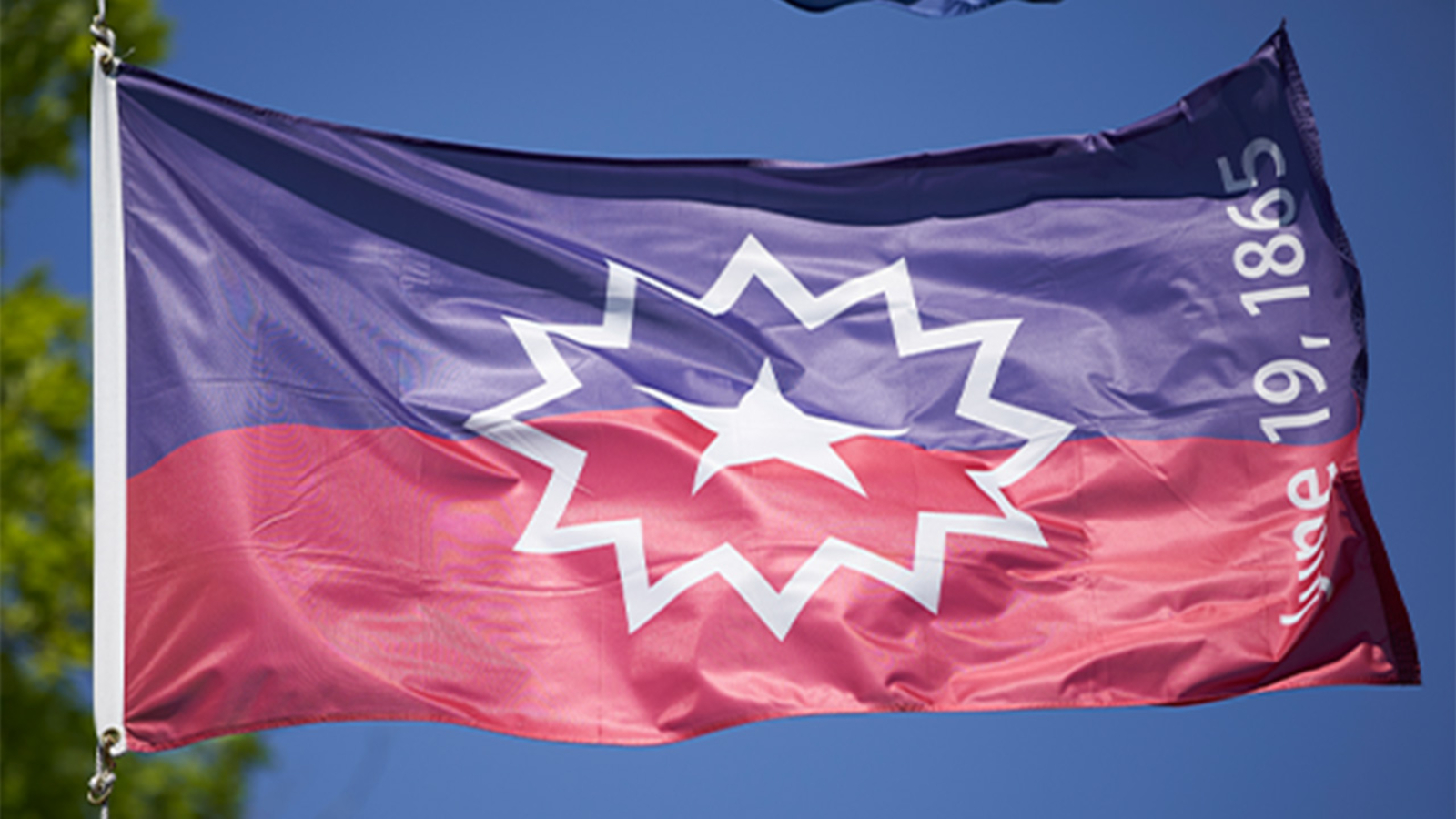
Increasingly popular is the Juneteenth flag, designed in 1997 by activist Ben Haith, founder of the National Juneteenth Celebration Foundation. Resembling the American flag with a red, white, and blue color scheme, it features a five-point white star bursting into a larger star , symbolizing Texas, Juneteenth’s birthplace, and the spread of freedom to every state.
Traditional Juneteenth Foods and the Symbolism of Red
Food is central to any Juneteenth celebration, and a powerful color story runs through the menu. Red foods , symbolizing the blood, sacrifice, and resilience of enslaved ancestors , are a through line in traditional Juneteenth menus.
Popular dishes include:
- Barbecued ribs and other red meats
- Watermelon slices
- Red velvet cake
- Strawberry soda and red fruit punch
- Hibiscus tea and red Kool-Aid
Red drinks, in particular, have deep roots in West African and Caribbean culinary traditions and carry spiritual significance in many African American communities.
Is It Okay for Non-Black People to Celebrate Juneteenth?
This is a thoughtful and important question, and the consensus among scholars and community leaders is a clear yes , but with respect, education, and intentionality.
Dr. Karida Brown encourages non-Black people to embrace the holiday without hesitation. “It absolutely is your history. It absolutely is a part of your experience,” she explains. The full story of America , including the chapters of enslavement and emancipation , belongs to everyone who lives on this land.
For those wanting to participate in Juneteenth 2025, consider supporting Black-owned businesses, attending educational events, donating to organizations that advance racial justice, or simply amplifying Black voices and stories in your community.
How to Properly Greet Someone on Juneteenth
If you’re wondering about Juneteenth greetings, the etiquette is refreshingly warm and inclusive. Common phrases include:
- “Happy Juneteenth!”
- “Happy Freedom Day!”
- “Happy Teenth!” (a casual, affectionate shorthand)
As comedian and event organizer Alan Freeman puts it, the spirit is similar to the universal cheer of “Merry Christmas” , a friendly acknowledgment that crosses all boundaries. Don’t overthink it; simply offer the greeting with sincerity.
Conclusion: Carrying the Legacy Forward
As Juneteenth 2025 approaches, the holiday invites all Americans to pause, learn, celebrate, and recommit to the unfinished work of equality. Whether you spend the day at a lively festival, sharing a red-themed meal with loved ones, volunteering in your community, or simply reading more about African American history, your participation matters.
One hundred and sixty years after the first Juneteenth in Galveston, the day remains both a celebration of how far we’ve come and a reminder of how far we still have to go. Honor it in whatever way feels authentic to you , and remember that the most important thing is to keep the story alive, sharing it with the next generation so that the meaning of freedom continues to expand for everyone.