
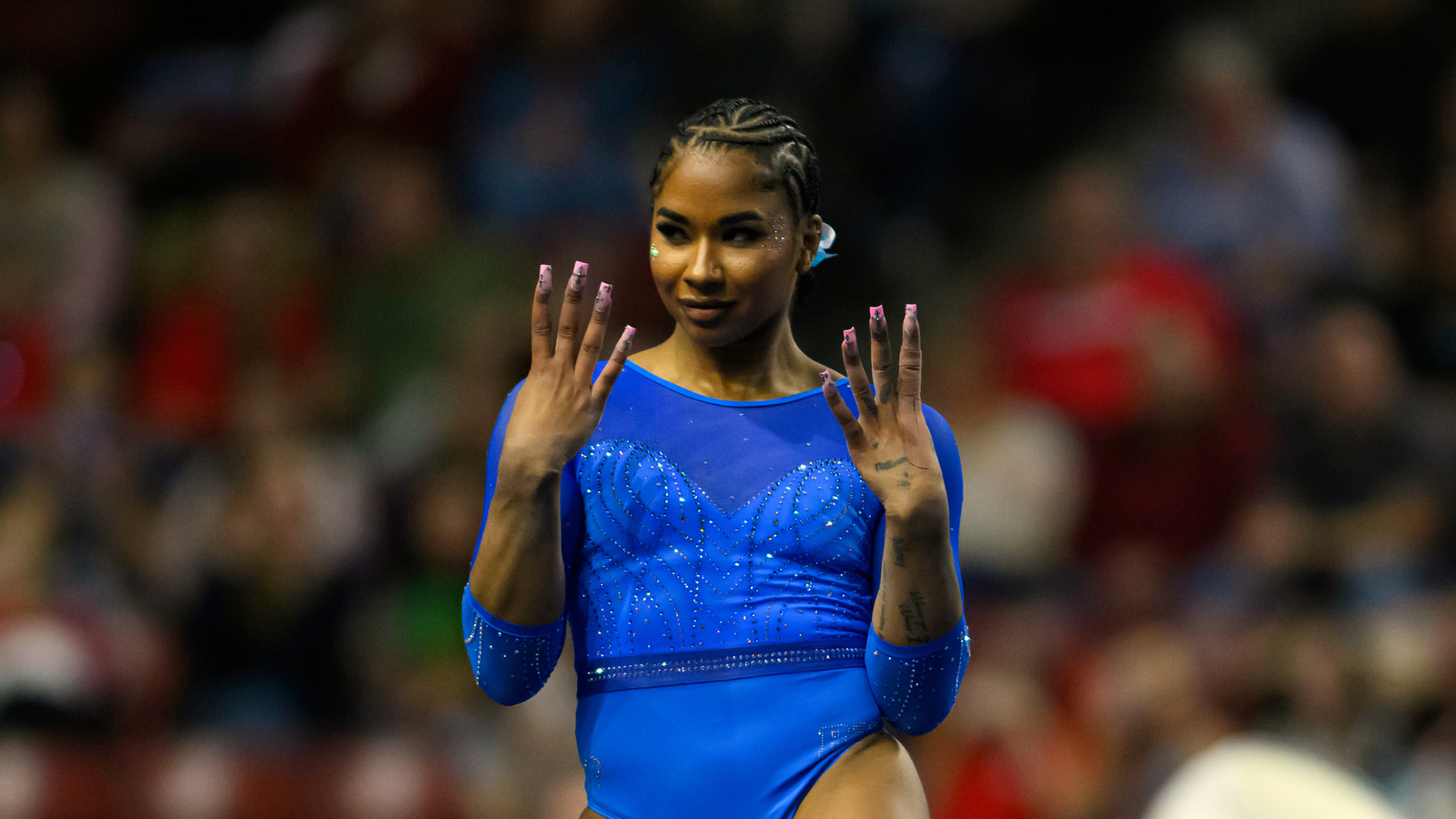
In a significant legal development that has captured the attention of the gymnastics world and Olympic sports fans everywhere, American gymnast Jordan Chiles has been granted an appeal in her ongoing fight to reclaim her jordan chiles bronze medal from the 2024 Paris Olympics. The Swiss Federal Supreme Court ruled that her case will be sent back to the Court of Arbitration for Sport (CAS) for reconsideration, offering new hope to Chiles and her supporters that justice will ultimately prevail.
This ruling represents a dramatic turning point in one of the most emotionally charged Olympic controversies of recent memory. USA Gymnastics quickly responded with a statement reaffirming its unwavering commitment to Chiles, pledging its continued support and expressing confidence in the evidence they believe proves the inquiry into Jordan’s score was filed well within the one-minute window required by International Gymnastics Federation rules.
The Controversial Score Change That Sparked a Legal Battle
To fully understand the significance of this appeal, it’s important to revisit how the original situation unfolded. During the women’s gymnastics floor exercise final at the 2024 Paris Olympics, Chiles initially finished in fifth place with a score of 13.666. However, after her coach submitted an inquiry regarding the scoring of one of her routine elements, her score was adjusted to 13.766, which moved her up into the coveted bronze medal position.
The celebration was short-lived. The Court of Arbitration for Sport subsequently voided the inquiry, ruling that Chiles’ score had been “raised after the conclusion of the one-minute deadline.” This decision reinstated her original 13.666 score, demoting her back to fifth place and stripping her of the bronze medal she had earned on the competition floor.
Romanian gymnast Ana Maria Barbosu, who had scored a 13.700, was subsequently awarded the bronze medal by the International Gymnastics Federation (FIG), making her the official beneficiary of the ruling.
The Discovery of Critical New Evidence
What made this case particularly compelling was the emergence of new audio-visual recording evidence that appeared to contradict the CAS ruling. The footage showed Chiles’ coach filing an inquiry on her incorrect score just 47 seconds after the score was posted , well within the one-minute window mandated by FIG rules.
This new evidence directly challenged the court’s claim that the inquiry had been submitted outside the required time frame. Despite the potential impact on the case, the court initially refused to hear an appeal based on this new evidence, prompting Chiles and her legal team to escalate their efforts through the Swiss judicial system.
Why the Latest Ruling Matters
The decision to reopen the jordan chiles bronze medal case represents a rare procedural victory for the American gymnast. The Swiss Federal Supreme Court has essentially determined that there are sufficient grounds to send the matter back to the CAS for renewed consideration. This doesn’t automatically guarantee Chiles will get her medal back, but it does provide a fresh opportunity to present the compelling evidence that was previously overlooked or rejected.
Legal experts have noted that Swiss courts have historically been cautious about overturning CAS decisions, making this development even more noteworthy. The fact that the Federal Supreme Court agreed to remand the case suggests that there may have been substantive procedural or evidentiary issues worth examining again.
The Question of Impartiality
In addition to pursuing the audio-visual evidence, Chiles also filed a separate appeal that called into question the independence and impartiality of one of the CAS arbitrators who had ruled against her. The appeal pointed out that the arbitrator had previously represented Romanian interests in other cases, raising legitimate concerns about potential bias in a decision that directly impacted a Romanian athlete.
Unfortunately for Chiles, this particular appeal regarding arbitrator impartiality was rejected by the court. While this specific legal avenue has been closed off, it nonetheless highlighted the complex and often contentious nature of Olympic dispute resolution, particularly when national interests and sporting outcomes intersect.
Jordan Chiles Speaks Out About the Emotional Toll
Throughout this ordeal, Chiles has been remarkably candid about how the situation has affected her personally. In September 2024, she opened up about the deeper impact of losing her jordan chiles bronze medal, explaining that the most painful aspect wasn’t the physical medal itself but rather the recognition it represented.
“The biggest thing that was taken from me was that it was the recognition of who I was,” Chiles said in an emotional statement. Her words resonated with athletes and fans around the world who understood how much an Olympic medal can symbolize years of dedication, sacrifice, and personal achievement.
Chiles also fiercely defended both her performance and her coach’s actions, stating emphatically: “I made history and I will always continue to make history, and something that I rightfully did, I followed the rules. My coach followed the rules. We did everything that was totally, completely right.”
What’s Next in the Reconsideration
As the case returns to the Court of Arbitration for Sport for reconsideration, several key questions remain. The panel will need to evaluate the audio-visual evidence that allegedly proves the inquiry was filed within the required timeframe, and determine whether this new information warrants a different outcome than the original ruling.
If the court ultimately rules in Chiles’ favor, she would earn a second medal from the Paris Olympics , adding to the gold medal she already secured in the women’s artistic team all-around event. That would make her one of the most decorated American gymnasts of the 2024 Games and provide a fitting conclusion to a story that has tested her resilience in ways no athlete should ever have to endure.
The Impact on Olympic Sports Governance
Beyond Chiles’ individual case, this legal saga has raised broader questions about the dispute resolution processes governing international sports. The controversy has prompted discussions about:
- The clarity and consistency of FIG scoring and inquiry rules
- The standards of evidence required in CAS proceedings
- The transparency of arbitrator selection in high-profile cases
- The rights of athletes to present new evidence in appeals
These discussions may ultimately lead to reforms in how Olympic sports handle scoring disputes and athlete appeals, potentially protecting future competitors from similar experiences.
Conclusion: A Story of Persistence and Hope
The latest ruling in the jordan chiles bronze medal case represents far more than a legal procedural step , it symbolizes hope, fairness, and the principle that every athlete deserves to have their case examined thoroughly. While the outcome remains uncertain, the decision to reopen the case acknowledges the legitimacy of the new evidence and provides Chiles another opportunity to present her case.
For Jordan Chiles, this has never simply been about a piece of metal. As she so eloquently expressed, it has been about recognition, integrity, and the validation of work she and her coach did correctly. Regardless of how the reconsideration ultimately unfolds, her courage in continuing to fight for what she believes is right has already earned her a measure of respect that transcends any medal stand.
The gymnastics community, sports law experts, and Olympic fans worldwide will be watching closely as this case returns to the Court of Arbitration for Sport. Whatever the final decision may be, this case will likely be studied for decades as an example of how the pursuit of justice in sports can be a long, difficult road , but one worth traveling for those who believe in fairness and the principles that should govern international athletic competition.