
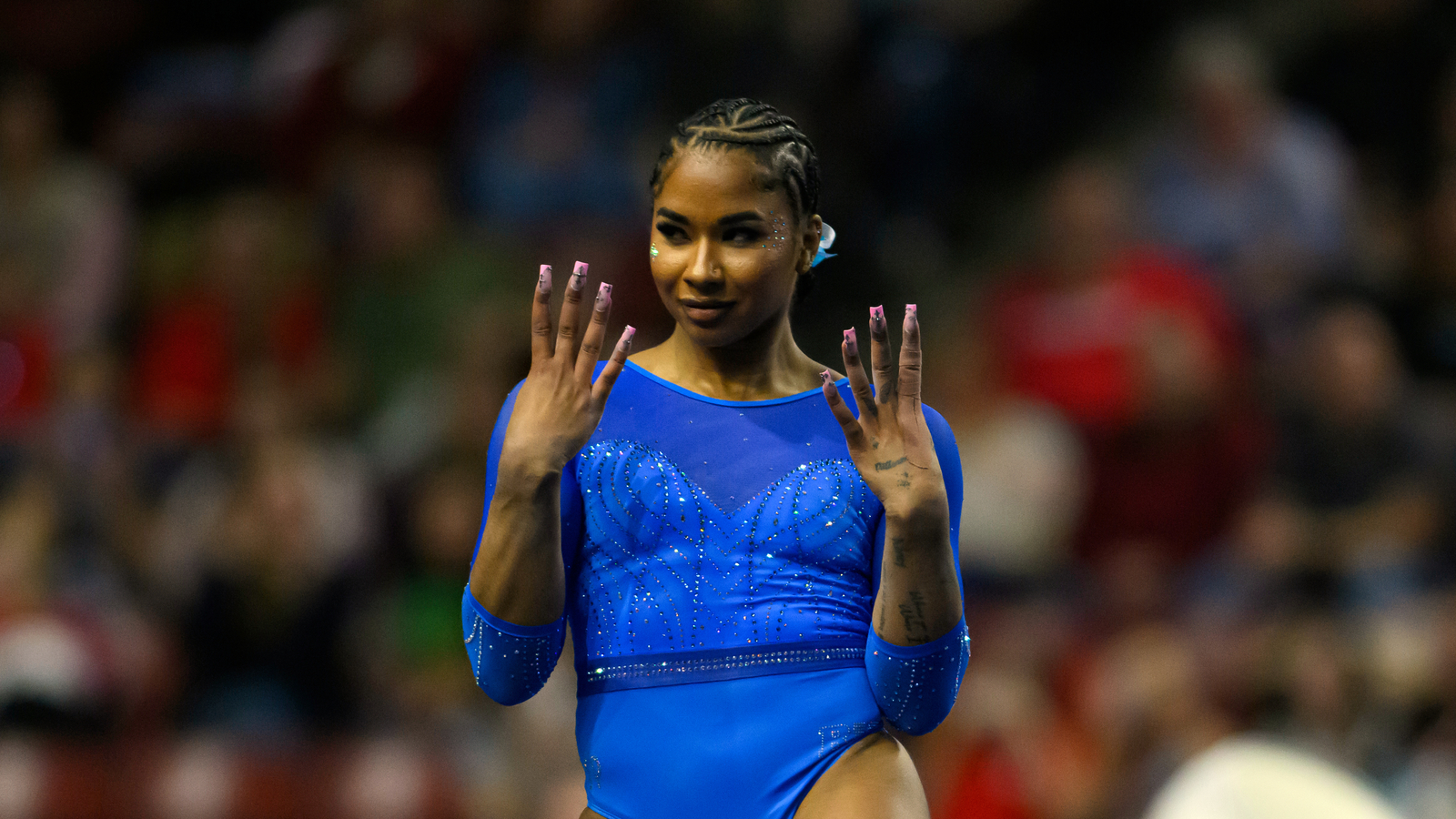
American gymnast Jordan Chiles has just received a major break in her prolonged legal battle over the Jordan Chiles bronze medal appeal. The Swiss Federal Supreme Court has ruled that her case deserves another look and has sent it back to the Court of Arbitration for Sport (CAS) for fresh consideration. This development marks one of the most significant turns in an Olympic gymnastics controversy that has captured global attention since the Paris 2024 Games.
USA Gymnastics confirmed the news through a social media statement, expressing gratitude for the Swiss court’s decision and pledging to stand firmly behind their athlete. The organization emphasized that the new arbitration process should weigh the clear evidence proving that the score inquiry was submitted within the required one-minute window, fully complying with the rules set by the International Gymnastics Federation (FIG).
The Paris Olympics Floor Exercise Controversy
To understand the weight of this latest ruling, it’s essential to revisit what happened during the women’s gymnastics floor exercise final at the Paris Olympics 2024. The competition was a showcase of elite athletic talent, featuring some of the most technically gifted gymnasts in the world. Chiles delivered a powerful routine, but her initial score placed her fifth, just outside the medal positions.
Following her performance, Chiles’ coach submitted an inquiry regarding the scoring of one specific element in her routine. The challenge was successful, leading to a revised score of 13.766 and bumping Chiles into the bronze medal position. For a brief moment, the American gymnast stood on the Olympic podium with a hard-earned medal in one of the most prestigious individual events in gymnastics.
The CAS Ruling and Medal Revocation
However, the celebration was short-lived. The Court of Arbitration for Sport intervened and voided the coach’s inquiry, determining that the score challenge had been filed after the conclusion of the strict one-minute deadline. As a result, Chiles’ original score of 13.666 was reinstated, dropping her back to fifth place.
The decision had immediate and dramatic consequences. Romanian gymnast Ana Maria Barbosu, who had scored 13.700 and originally finished just off the podium, was awarded the bronze medal by the International Gymnastics Federation. The medal was later formally presented to her at a ceremony in Bucharest, adding another emotional chapter to this ongoing saga.
New Audio-Visual Evidence Emerges
Perhaps the most compelling element of Chiles’ case is the emergence of new audio-visual evidence that directly challenges the CAS ruling. The recording clearly shows Chiles’ coach submitting the inquiry on her score just 47 seconds after the score was posted, well within the one-minute window required by FIG rules.
This evidence appeared to undermine the foundation of the original CAS decision, which had been built largely on the timing of the inquiry. Despite the significance of this new evidence, the Court of Arbitration for Sport initially refused to reconsider the case when presented with the fresh documentation, citing procedural restrictions.
Allegations of Arbitrator Bias
Adding another layer of complexity to the legal fight, Chiles’ legal team also filed a separate appeal questioning the impartiality of one of the CAS arbitrators involved in the original ruling. The filing pointed out that this arbitrator had previously represented Romania and Romanian interests in earlier cases, raising legitimate concerns about potential conflicts of interest.
This appeal was rejected by the court, which ruled that the connections cited did not constitute grounds for disqualification. Nevertheless, the question of bias remained a talking point among gymnastics fans and legal commentators following the case.
Chiles Speaks Out About the Decision
The emotional toll of this ordeal became clear when Chiles addressed the situation publicly in September 2024. The young gymnast spoke candidly about what the loss of her bronze medal meant to her, explaining that beyond the physical recognition of her athletic achievement, the medal represented something far more personal.
In her statement, Chiles made clear that she felt the recognition of who she was as an athlete had been stripped away. She also mounted a strong defense of both her own performance and her coach’s actions during the critical moments after her floor exercise routine. Chiles firmly maintained that she followed every applicable rule, that her coach complied with all procedures, and that the entire process was conducted correctly from their side.
Her resilience and willingness to continue fighting for what she believes is rightfully hers has earned her widespread support from fellow athletes, coaches, and fans around the world. Many within the gymnastics community have rallied behind her, arguing that the new evidence demands a thorough re-examination of the case.
USA Gymnastics Continues Its Support
Throughout this entire legal process, USA Gymnastics has stood firmly behind Chiles. The organization has consistently maintained that the evidence supports her position and that the administrative process surrounding her inquiry was conducted properly. In its recent statement following the Swiss court’s ruling, USA Gymnastics reiterated its commitment to advocating for the athlete and ensuring that justice is served.
The governing body’s involvement underscores the seriousness of the situation. Olympic medal decisions carry enormous weight, not just for the athletes directly involved but for the integrity of the sport as a whole. The gymnastics community is closely watching how this case unfolds, as the outcome could establish important precedents for how scoring disputes and timing questions are handled in future competitions.
What the Swiss Federal Supreme Court Ruling Means
The decision by the Swiss Federal Supreme Court represents a meaningful victory for Chiles, even though the case is far from over. By sending the matter back to the Court of Arbitration for Sport, the highest judicial authority in Switzerland has essentially acknowledged that there are legitimate grounds for reconsideration.
This doesn’t guarantee that Chiles will ultimately reclaim her bronze medal. However, it does mean that the new audio-visual evidence, along with the procedural arguments raised by her legal team, will receive a fresh and presumably more thorough examination. The Swiss court’s involvement also adds significant weight and legitimacy to Chiles’ claims, as this institution serves as the final court of appeal for international sports disputes governed by Swiss law.
Potential Outcomes and Future Implications
If the renewed CAS arbitration process rules in Chiles’ favor, she could potentially receive a second medal from the Paris 2024 Olympics. She already earned a gold medal as part of the United States women’s artistic gymnastics team in the all-around event, and a successful resolution to this appeal would give her an additional individual honor to add to her Olympic legacy.
The ramifications extend beyond Chiles herself. This case has prompted broader conversations about timing precision in gymnastics scoring, the admissibility of video evidence in arbitration proceedings, and the transparency of decision-making processes within international sports tribunals. Whatever the final outcome, the Jordan Chiles bronze medal appeal is likely to influence how similar disputes are handled in Olympic competition for years to come.
The Road Ahead
As the case heads back to CAS, both Chiles and the broader gymnastics community are watching closely. The renewed arbitration process will need to address several critical questions, including whether the timing evidence was properly evaluated in the original proceedings and whether procedural safeguards were adequately observed.
For Chiles, the journey has been exhausting, both emotionally and professionally. Yet she has remained resolute in her pursuit of what she believes is rightfully hers. Her willingness to challenge institutional decisions and stand up for fairness reflects the kind of determination that made her an Olympic champion in the first place.
Regardless of how the case ultimately concludes, the story of the Jordan Chiles bronze medal appeal has already become one of the defining narratives of the Paris 2024 Olympics. It serves as a powerful reminder that the pursuit of athletic excellence does not end when the competition concludes, and that the fight for recognition and fairness is sometimes as demanding as the sport itself.
The coming months will be critical. A fresh review by the Court of Arbitration for Sport, prompted by the Swiss Federal Supreme Court’s landmark decision, offers Chiles her best opportunity yet to reclaim the bronze medal she believes she earned through legal and proper means. Until then, the gymnastics world waits, watches, and hopes for a resolution that honors the truth.