
With several high-profile aviation incidents making headlines recently, many travelers are asking the question: is it safe to fly? Searches for this concern have surged to their highest levels since the COVID-19 pandemic, reflecting a wave of anxiety that’s spreading across the country. If you’re one of the millions of people feeling uneasy about boarding a commercial flight, you’re not alone, and you’re certainly not without good reason to seek answers. This article examines the latest statistics, expert analysis, and the real risks of air travel to help you make an informed decision the next time you book a ticket.
Why Travelers Are Searching “Is It Safe to Fly?”
Public anxiety about flying often spikes after clusters of newsworthy accidents, even though statistics don’t necessarily reflect a broader trend. When tragedy strikes, it dominates headlines, fuels social media conversations, and plants seeds of doubt in even the most seasoned travelers.
One passenger arriving at Philadelphia International Airport shared her candid feelings after a recent flight. “I was scared to death,” she said, explaining that she only flew because her new grandbaby had been born on Christmas Eve. Without that urgent family reason, she admitted she likely would have stayed home.
This sentiment echoes across the country. Travelers are experiencing what’s known as recency bias, a psychological tendency to weigh recent events more heavily than long-term data. When several serious incidents occur in close succession, it’s natural to feel that flying has suddenly become more dangerous. The reality, however, is more nuanced.
A Series of Tragic Aviation Incidents
Several significant events have contributed to the current climate of concern:
- Washington, D.C. midair collision: Sixty-seven people lost their lives when an American Airlines passenger plane and an Army helicopter collided in the nation’s capital.
- Northeast Philadelphia crash: Just two days later, a medical jet crashed in a Philadelphia neighborhood, killing seven people and injuring 24 others. A memorial has since been established near the site.
- Toronto runway incident: A Delta aircraft flipped over and crashed on an icy runway, sending 21 people to the hospital with injuries.
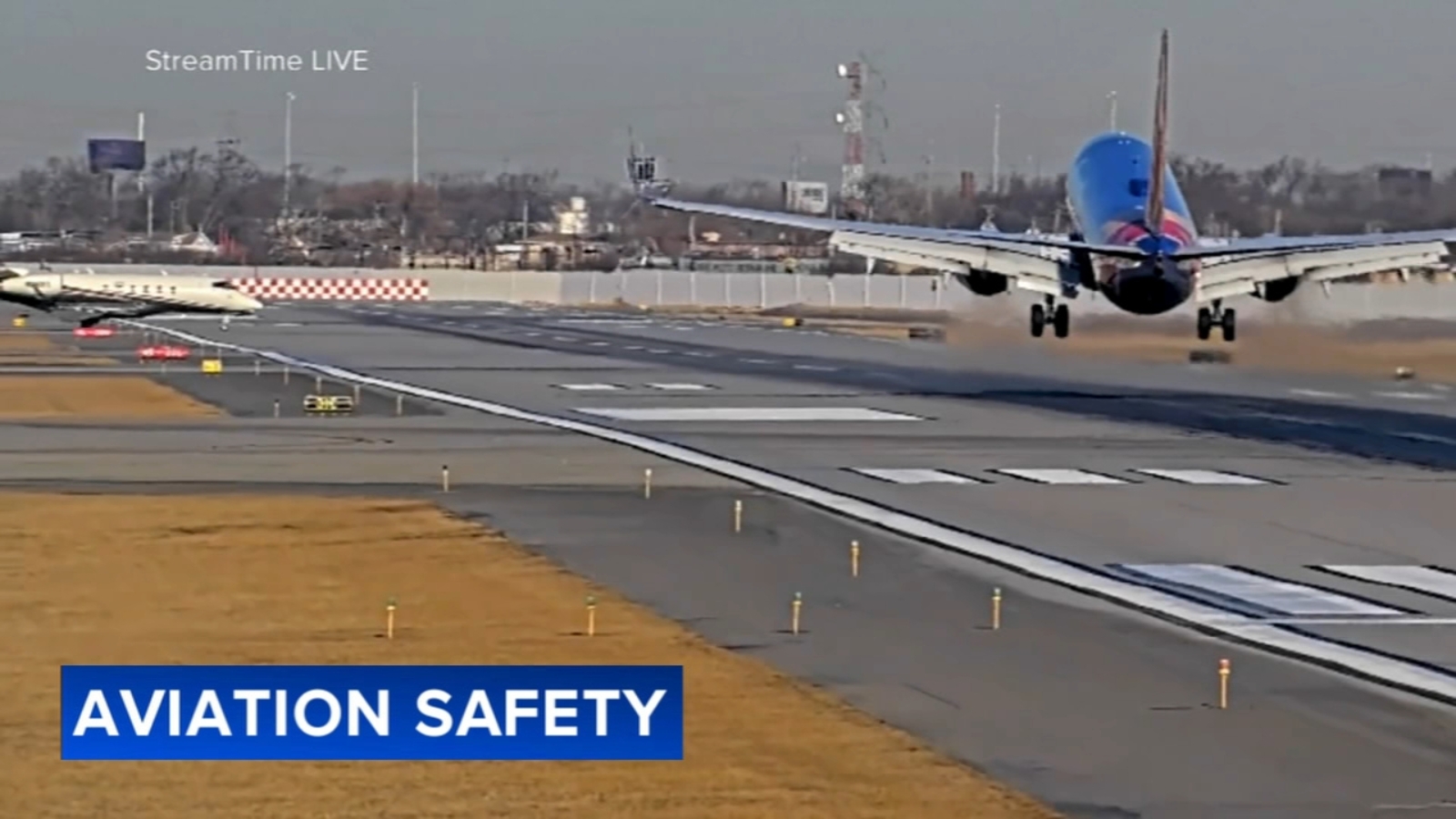
- Chicago near miss: A Southwest Airlines flight had to abort its landing to avoid a private jet that had wandered onto the runway, raising alarm about air traffic coordination.
Each of these events, while statistically rare, received extensive media coverage, amplifying public perception that commercial aviation may be experiencing an unusual period of danger.
What the Aviation Safety Statistics Actually Show
Despite the emotional weight of recent tragedies, air travel safety statistics tell a remarkably different story. Data reviewed by journalism teams shows that the rate of aviation accidents has actually decreased by nearly 50% over the past decade.
Consider these figures:
- 2011-2015: One accident per 456,000 flights
- 2020-2024: One accident per 810,000 flights
This dramatic improvement in commercial flight safety is the result of decades of engineering advances, regulatory improvements, training protocols, and safety culture within the aviation industry. When you board a commercial aircraft today, you are statistically safer than you have ever been in the history of aviation.
The reason accidents feel more shocking now is partly because they are so rare. When thousands of flights operate daily without incident, a single catastrophe stands out as a dramatic departure from the norm.
Expert Insights From an Aviation Attorney and Pilot
To better understand the current state of aviation safety, it’s helpful to consider the perspective of those who work within the industry. Arthur Wolk, an aviation attorney and licensed pilot, has spent decades analyzing accident data and representing victims.
“When they happen, it’s your worst nightmare come true, and so therefore everybody’s kind of a little nervous about that,” Wolk explained, acknowledging that even seasoned professionals understand why these events cause public concern.
However, Wolk also points to the broader data. “Now if you look at the statistics, flying is the safest thing you can do, including walking down the street,” he said. This perspective reinforces what safety researchers have long argued: when measured by probability of death or serious injury, commercial aviation is the safest form of transportation available.
Why Do Accidents Get So Much Attention?
The disproportionate coverage of airline accidents stems from several psychological and media dynamics. Aviation disasters are dramatic, they involve large numbers of people at once, and they often produce compelling footage or narratives. Unlike car crashes, which occur thousands of times daily and rarely make national news, plane crashes are treated as extraordinary events.
This asymmetry in news coverage can distort public perception of flying safety. People estimate risk based on how often they hear about an event, not on the underlying probability of occurrence.
Industry Challenges That Could Impact Future Safety
While current statistics remain favorable, aviation experts have identified several challenges that the industry must address to maintain its impressive safety record.
The Pilot Shortage
One of the most pressing concerns is a growing pilot shortage. Many experienced aviators over the age of 65 are now retiring, taking thousands of years of accumulated flight experience with them. Replacing these seasoned professionals is no small task; becoming a commercial pilot requires extensive training, significant financial investment, and years of experience-building. If the shortage worsens, airlines may be forced to operate with less experienced crews, which could gradually erode safety margins.
Outdated Air Traffic Control Systems
The Federal Aviation Administration (FAA) relies on aging infrastructure, including some air traffic control systems that have been in use for decades. Modernizing these systems is expensive and complex, but critical. Older technology can be less reliable and may struggle to handle increasing traffic volumes efficiently.
Crowded Skies
Aviation attorney Arthur Wolk also highlights concerns about crowded skies. “The more airplanes you put into that space, the greater the chances are of an accident happening,” he noted. As air travel demand continues to grow post-pandemic, more aircraft are competing for limited airspace, which can increase the complexity of safe operations and the potential for incidents like the Chicago near miss.
Comparing Flying to Other Everyday Risks
One of the most effective ways to put airline safety into perspective is to compare it with routine activities people rarely question.
By virtually every metric, flying is less risky than:
- Driving a car: Motor vehicle accidents claim tens of thousands of lives every year in the United States alone, making driving statistically far more dangerous than flying.
- Riding a bicycle or motorcycle: Even short trips on two-wheeled vehicles carry injury and fatality risks that dwarf those of commercial aviation.
- Walking down the street: As Wolk pointed out, walking is statistically riskier than flying, particularly in urban environments with heavy traffic.
- Swimming, skiing, or other recreational activities: Many leisure pursuits carry measurable risks of injury or death that exceed those of a routine flight.
Understanding these comparisons doesn’t trivialize the tragedies that have occurred, but it does provide essential context for evaluating the actual risk of boarding a plane.
Managing Fear of Flying
For those who experience significant anxiety about flying despite knowing the statistics, several strategies can help:
- Educate yourself about aviation safety systems: Modern aircraft have multiple redundant systems designed to prevent catastrophic failure.
- Talk to pilots and crew members: Many aviation professionals are happy to share insights that demystify the experience of flying.
- Consider fear-of-flying courses: Several airlines and independent organizations offer courses specifically designed to help anxious flyers.
- Use relaxation techniques: Breathing exercises, mindfulness, and distractions like movies or music can help manage in-flight anxiety.
- Trust the data: When fear arises, remind yourself that commercial flight safety has improved dramatically over the decades.
Conclusion
So, is it safe to fly? The overwhelming evidence says yes. While recent incidents have understandably shaken public confidence, the broader aviation safety record remains exceptional. Accidents have fallen by nearly half over the past decade, and commercial flying remains the safest form of transportation available to the average person.
That said, legitimate challenges exist. Pilot shortages, aging air traffic control infrastructure, and increasingly crowded skies are real concerns that industry leaders and regulators must address proactively. Travelers who stay informed about these issues can take comfort in knowing that the systems designed to protect them are continuously being refined.
If you’re planning a flight and feeling anxious, remember that the odds are overwhelmingly in your favor. Aviation safety experts, statistical analysis, and decades of improving performance all point to the same conclusion: flying is not only safe; it’s one of the safest activities you can choose to do today.