
Iran claimed on Sunday that it struck an unmanned U.S. vessel attempting to enter the Strait of Hormuz, but the U.S. military quickly rejected the claim as a “total lie.” The exchange marks the latest flare-up in fighting between the two countries.
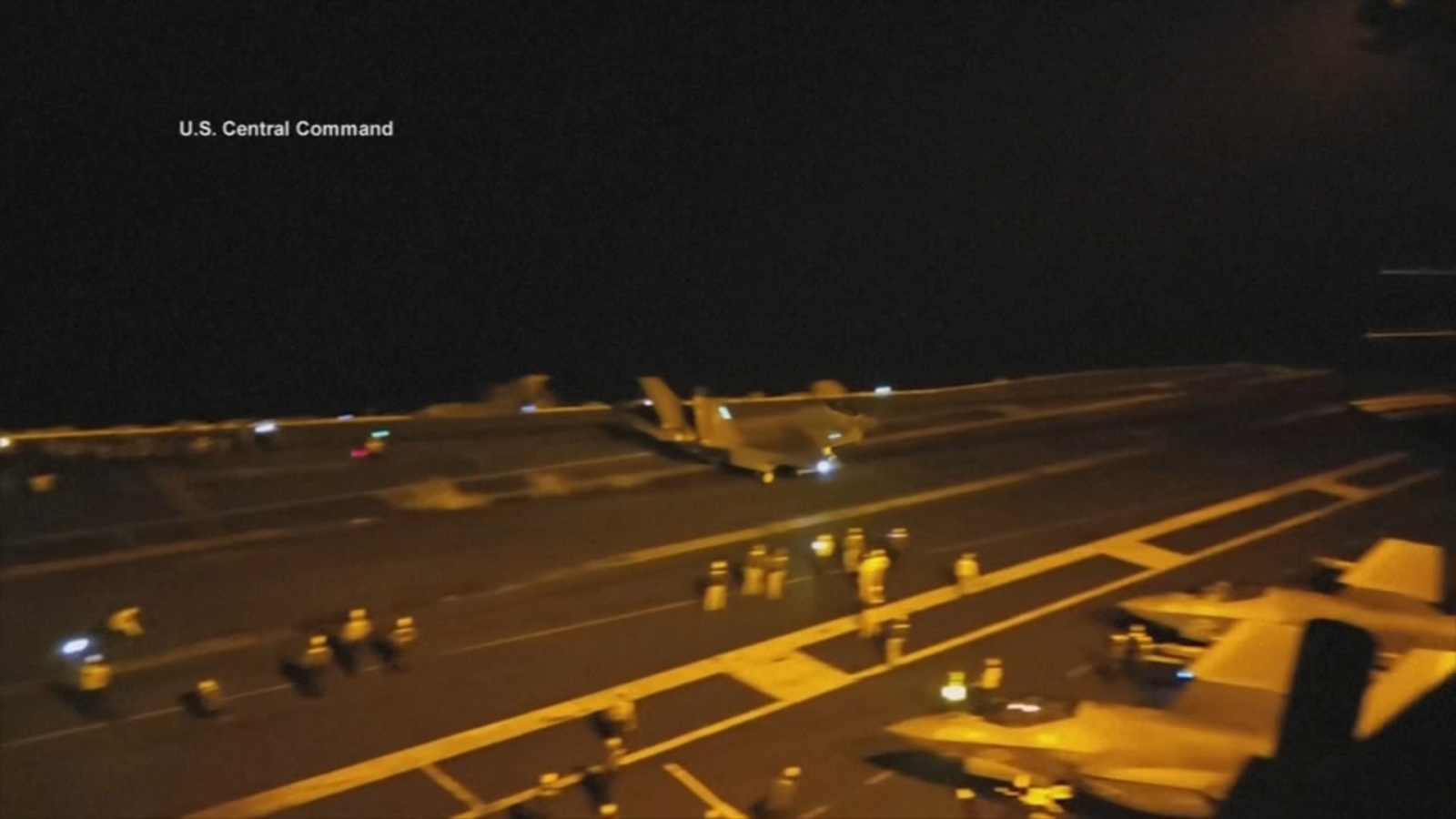
The reported attack comes one day after the U.S. military announced it had struck three Iranian oil tankers in retaliation for a missile attack on Navy warships.
Background on the Conflict
The war began with U.S. and Israeli attacks on Iran on February 28. Although a ceasefire agreement was announced in June, on-and-off fighting has continued, with both sides attempting to inflict military and economic damage as negotiations collapsed.
Strikes resumed about a week ago following a month of relative calm. The Strait of Hormuz and Iranian communities along it have once again become targets. At least five people were killed earlier in the week during a U.S. bombardment of southern Iran.
U.S. Strategy and Iran’s Response
The Trump administration has adopted a dual-pronged approach, responding militarily to attacks on the strait while also targeting foreign financial institutions that handle Iran’s money.
Tehran’s hard-line new senior leaders have signaled a willingness to endure despite decades of sanctions. Iran has developed ways to circumvent both sanctions and the U.S. blockade to get its oil to buyers, easing growing economic pressures. Part of that effort relies on a shadow fleet transporting Iranian oil.
The Nuclear Dispute
Iran’s nuclear program , the original flashpoint of the war , was meant to be addressed in negotiations that fell apart shortly after the U.S. and Iran signed a memorandum of understanding in mid-June.
Diplomats say the U.S., Britain, France, and Germany are seeking to refer Iran to the U.N. Security Council for failing to comply with its nuclear nonproliferation obligations.
Iran’s Strategic Leverage
Instead, Tehran’s new leverage centers on the Strait of Hormuz, a critical waterway for global oil and natural gas shipments that was recognized as an international passage before the war began.