
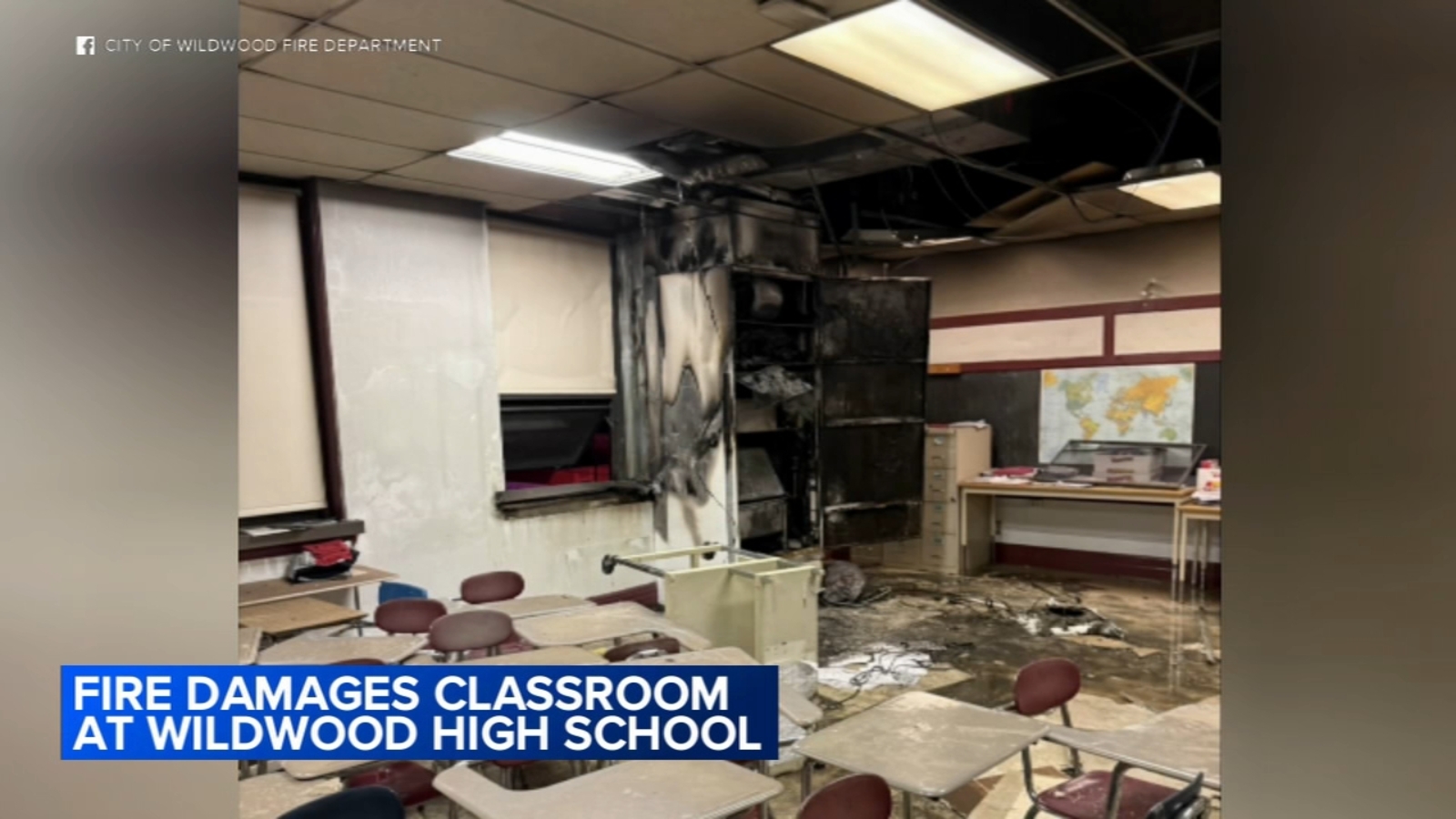
An early-morning hvac unit fire at Wildwood High School in New Jersey has forced hundreds of students into remote instruction for two days while school officials assess the damage and ensure the building is safe for return. The blaze, which originated in a rooftop heating and cooling system located inside a third-floor classroom, was quickly contained but raised significant concerns about the condition of the school’s mechanical infrastructure.
According to school officials and local fire crews, the incident occurred just before 5 a.m. on Wednesday when firefighters were dispatched to the Pacific Avenue campus. Upon arrival, they located the source of the fire inside an HVAC unit and managed to extinguish it before flames could spread beyond the room. Despite the rapid response, the resulting smoke, water, and structural concerns were significant enough to warrant a multi-day closure of the physical building.
The Morning the Fire Broke Out
The timeline of events is one that any school administrator would consider a worst-case scenario. Fires that ignite before staff and students arrive often have more time to spread undetected, which is exactly why the early-morning response from the Wildwood Fire Department was so critical. Crews arrived within minutes of the call and traced the smoke to a third-floor classroom, where the HVAC unit had malfunctioned and ignited.
Photos released by school officials in the days following the incident reveal the extent of the damage. The classroom in question shows clear signs of fire, smoke staining, and water damage from suppression efforts. Ceiling tiles appear warped, fixtures are scorched, and the surrounding area looks largely uninhabitable without professional remediation.
Why HVAC Units Pose a Fire Risk
HVAC systems are essential for maintaining comfortable and safe learning environments, but they are also one of the more common sources of school fire safety incidents when not properly maintained. There are several reasons why these systems can become fire hazards:
- Electrical malfunctions: Faulty wiring, aging components, or overloaded circuits within the unit can spark fires, especially in older systems.
- Overheating motors: When fans, compressors, or blower motors overheat due to dust buildup or mechanical failure, they can ignite surrounding materials.
- Dust and debris accumulation: Schools generate significant dust, paper fibers, and other particulates. When these collect inside HVAC components, they can become highly flammable.
- Refrigerant leaks: In some cases, refrigerant lines can leak and, when combined with a spark, create a dangerous situation.
- Lack of routine maintenance: Skipping regular inspections allows small issues to compound into larger, potentially catastrophic failures.
Industry studies have consistently shown that heating and cooling equipment is among the top five causes of fires in commercial and institutional buildings, including schools. This makes proactive HVAC maintenance not just a matter of comfort, but a critical component of overall building safety.
The Switch to Virtual Learning
Following the HVAC unit fire, Wildwood High School officials made the decision to shift students to virtual learning on both Thursday and Friday. The decision was driven primarily by the condition of the building, which needed time for:
- Fire department inspection and clearance
- Air quality testing for smoke residue and potential contaminants
- Structural assessment of the damaged classroom and surrounding areas
- Cleanup and remediation efforts
- Verification that mechanical systems elsewhere in the building were safe to operate
This rapid pivot to remote instruction reflects a level of preparedness that has become increasingly familiar in the post-pandemic era. Schools across the country have refined their ability to transition between in-person and online learning, and Wildwood’s response demonstrates how those systems can be activated not just for health emergencies, but for facility-related incidents as well.
Lessons in Educational Continuity
The Wildwood incident highlights the importance of having a well-rehearsed school emergency response plan that includes provisions for unexpected building closures. While most emergency drills focus on lockdowns, evacuations, and weather events, fires and infrastructure failures require their own protocols.
For administrators reviewing their own emergency preparedness plans, this incident offers several takeaways:
- Maintain updated contact lists for students, parents, and staff to communicate quickly during closures.
- Ensure teachers have access to remote instruction tools and are trained to deliver lessons virtually with little notice.
- Establish relationships with local fire departments and building inspectors to expedite post-incident assessments.
- Keep digital copies of important documents and lesson plans accessible from off-site locations.
- Plan for extended closures, not just single-day disruptions.
The Broader Picture of Fire Prevention in Schools
The Wildwood High School hvac unit fire is not an isolated event. Educational facilities across the United States face ongoing challenges related to aging infrastructure, with many schools operating HVAC systems that are well past their intended service life. Budget constraints often push preventive maintenance down the priority list, leaving systems vulnerable to the kind of failure seen in Wildwood.
Fire prevention in schools requires a multi-layered approach that includes regular mechanical inspections, modern fire detection and suppression systems, clear evacuation procedures, and ongoing staff training. The investment in these measures is far less than the cost of an actual fire , which can include not just structural damage, but also lost instructional time, displaced students, and long-term emotional impacts on the school community.
What Parents and Students Should Know
For families affected by the Wildwood High School incident, the immediate priorities are staying informed through official school communication channels, ensuring students have reliable internet access for remote classes, and watching for updates regarding when in-person instruction will resume.
It’s also worth recognizing that incidents like this can be unsettling for students, particularly younger ones who may have heard about the fire and have questions or concerns. Parents and guardians can help by:
- Reassuring children that the fire was contained and that school officials are taking the situation seriously.
- Encouraging open conversation about any worries they may have.
- Staying engaged with school communications rather than relying on rumors or social media speculation.
- Supporting teachers who are working to maintain continuity of instruction under difficult circumstances.
Looking Ahead
As Wildwood High School works toward full restoration, the incident serves as a powerful reminder of how quickly a single mechanical failure can disrupt an entire educational community. The good news is that no one was injured, and the fire was contained before it could spread , outcomes that reflect both the effectiveness of the local fire department’s response and the importance of functioning fire detection systems in catching these events early.
Looking forward, school districts nationwide can use this and similar incidents as a catalyst for evaluating their own mechanical systems and emergency preparedness. Whether it’s scheduling that long-overdue HVAC inspection, updating virtual learning protocols, or simply having a candid conversation with facilities staff about the age and condition of critical building systems, every step taken before an incident occurs makes a difference when seconds count.
The Wildwood High School hvac unit fire may have forced a temporary shift to remote instruction, but it also offers an opportunity for the broader educational community to recommit to the safety, maintenance, and resilience of the buildings where students spend the majority of their formative years. With thoughtful planning and continued investment in facility safety, schools can reduce the likelihood of similar incidents and ensure that when emergencies do occur, the response is swift, coordinated, and effective.