
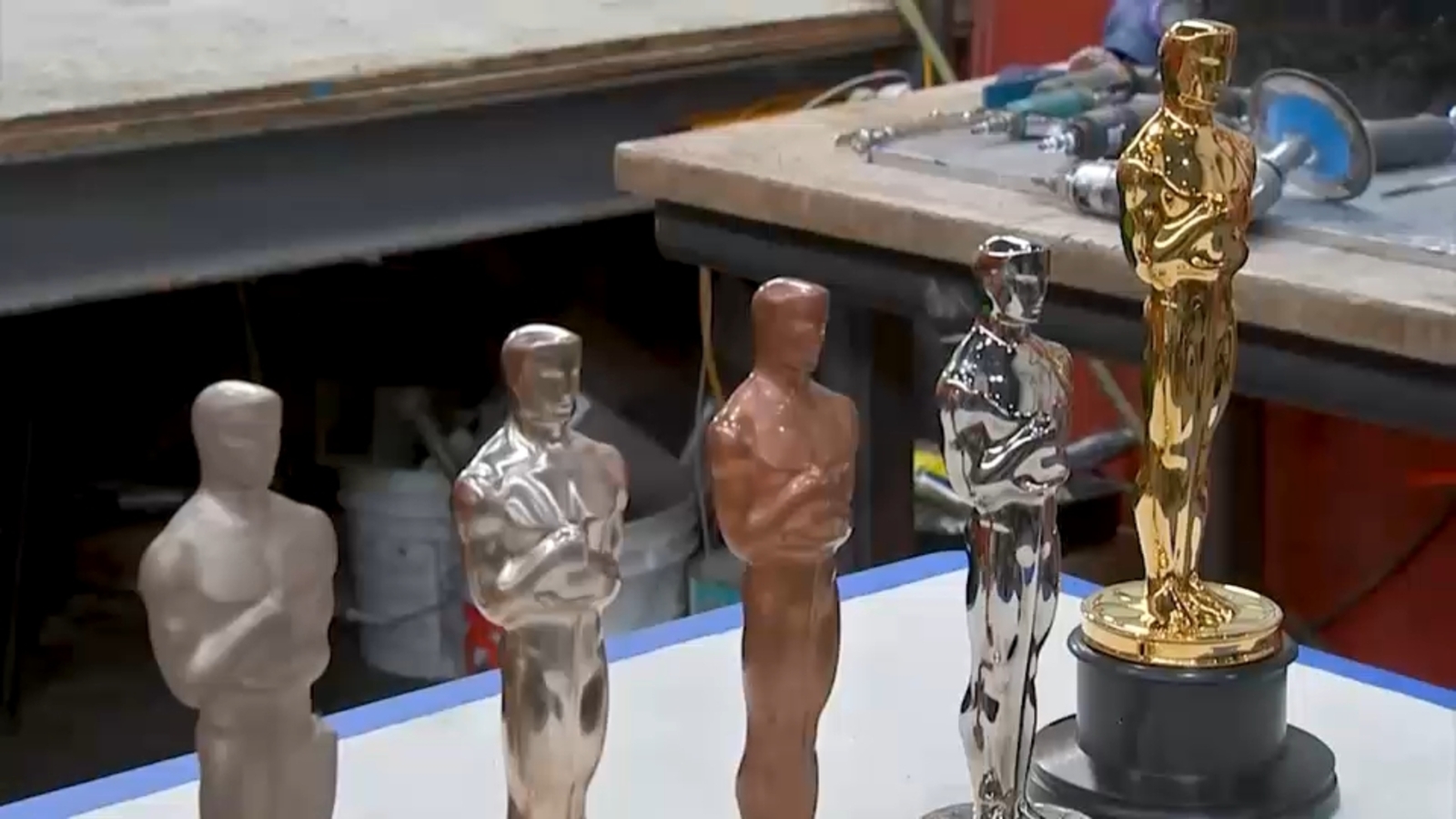
Ever wondered how Oscar statues are made,those gleaming golden trophies that have symbolized cinematic excellence since 1929? The process behind the world’s most recognizable film award is far more intricate and labor-intensive than most people imagine. Each statuette travels through multiple workshops, involves dozens of skilled artisans, and requires painstaking attention to detail from start to finish. Let’s pull back the curtain on this fascinating journey from raw materials to red-carpet glory.
The Origin of Hollywood’s Most Iconic Trophy
The Oscar statuette has stood as the pinnacle achievement in filmmaking for nearly a century. First awarded in 1929, the iconic figurine has evolved into a cultural symbol recognized across the globe. While Hollywood may host the glitzy ceremony, the actual Oscar statuette manufacturing process takes place thousands of miles away in the rolling hills of New York’s Hudson Valley region.
For nearly a decade, the statues have been crafted at Urban Art Projects in Orange County, New York,a workshop that combines traditional craftsmanship with modern precision. The distance from Hollywood is approximately 3,000 miles, yet the spirit of excellence remains identical on both coasts.
Inside the Hudson Valley Workshop
Visiting the workshop reveals something that becomes immediately apparent: this is not a factory assembly line. According to Jake from Urban Art Projects, “As you dig into the process, you’ll see that it’s something that you can’t rush.” The atmosphere is one of artistic devotion rather than mass production.
The team at UAP approaches each Academy Award trophy craftsmanship project with profound respect. “Most everybody here has a part to play,” Jake explained, highlighting how the collaborative effort transforms simple materials into legendary artifacts.
Step-by-Step: The Oscar Statuette Manufacturing Process
The creation of each Oscar follows a meticulous multi-stage procedure that has been refined over decades. Understanding how Oscar statues are made requires appreciating each of these stages.
Creating the Master Mold
Every statue begins with a master mold. This foundational template defines the exact proportions and features of the iconic knight holding a crusader’s sword standing atop a film reel. The mold must be flawless because every imperfection will be transferred to subsequent copies.
The Wax Prototype Stage
Once the master mold is prepared, artisans create a wax copy of the Oscar. This wax version serves as the sacrificial template that will eventually be replaced by molten metal. The wax allows for delicate detail work and represents one of the most critical phases of the entire operation.
Building the Ceramic Shell
The wax prototype is then dipped and coated,not once, not twice, but twelve separate times by hand. Each layer of ceramic coating must be applied with precision, and crucially, each layer requires time to dry properly. The complete drying process can take up to an entire day, which underscores why this work cannot be rushed.
Lost-Wax Bronze Casting
After the ceramic shell has fully hardened, the wax inside is melted out completely. The empty ceramic mold is then filled with molten bronze, which takes the exact shape of the original design. This ancient lost-wax bronze casting technique has been used for millennia and remains the industry standard for creating fine art sculptures.
Sanding and Finishing Touches
The newly cast bronze Oscar then travels to the finishing department, where skilled craftsmen sand down every surface to eliminate any imperfections. This stage demands an exceptional eye for detail,every curve, every edge, every subtle texture must meet exacting standards. The phrase “meticulously crafted with immense pride” doesn’t even begin to capture the dedication involved.
The Plating Journey: From Brooklyn to Gold
Once the bronze statue passes inspection, it embarks on a journey to Brooklyn for the metallurgical transformation that gives it the signature Oscar gold appearance. This phase of the Oscar trophy history is handled by EPNER Technology, a specialist in high-end metal plating.
Copper Foundation
The bronze figure receives a copper plating that creates a smooth, uniform base layer. This copper foundation is essential because it ensures the subsequent metal layers adhere properly and provides the optimal surface for achieving that mirror-like finish.
Nickel Layer
Next comes the nickel plating, which adds strength and durability to the trophy. The nickel layer serves both functional and aesthetic purposes, providing a brilliant silvery base that will support the final gold finish.
24-Karat Gold Finish
The final and most glamorous step: 24-karat gold plating. This premium gold layer is what gives the Oscar its unmistakable warm glow and unmistakable prestige. The gold plating process requires precise control of temperature, timing, and chemical composition to achieve the legendary appearance audiences see on stage every year.
Final Assembly and Quality Control
After plating is complete, the statues return to Urban Art Projects for final assembly. Each piece is carefully inspected, polished, and prepared for its grand moment on the world’s most-watched stage. The trophy now contains layers of ceramic shell remnants, bronze, copper, nickel, and pure gold,a true testament to multi-stage artisan craftsmanship.
The People Behind the Prestige
Perhaps the most compelling aspect of learning how Oscar statues are made is discovering the human stories behind each trophy. The workshop employees speak about their work with genuine emotion.
“We pour our hearts into this piece. For me to see it at the ceremony, there’s no words,” one UAP employee shared, capturing the profound connection between maker and recipient. Another team member added, “The work here is hard, but everybody does it with a smile on their face.”
As the source material beautifully puts it, the Oscar tells two stories of excellence,one of the masters who craft it and another of the legends who receive it. This dual narrative gives each statuette a soul beyond its physical form.
Size, Weight, and Specifications
For those curious about the physical dimensions of these iconic awards:
- Height: 13.5 inches tall
- Weight: 8.5 pounds
- Finish: 24-karat gold plating over multiple metal layers
- Core material: Bronze
Despite their relatively modest size, these trophies carry tremendous weight,both literally and symbolically,in the entertainment industry.
Looking Ahead: The 2025 Oscars
The craftsmanship happening in that New York workshop will soon take center stage at the 97th Academy Awards, hosted on Oscar Sunday, March 2, 2025. Conan O’Brien will emcee the ceremony, which begins at 7 p.m. ET / 4 p.m. PT on ABC and Hulu. Live red carpet coverage kicks off at 3:30 p.m. ET / 12:30 p.m. PT with “On The Red Carpet at the Oscars,” streaming across multiple platforms including OnTheRedCarpet.com and various social media channels.
When this year’s winners walk across that famous stage, they’ll be holding pieces of art that began as humble wax prototypes in a quiet Hudson Valley workshop,transformed through human skill, ancient techniques, and modern metallurgy into eternal symbols of cinematic achievement.
Conclusion: A Trophy Worthy of Excellence
Understanding how Oscar statues are made reveals a fascinating intersection of art, science, and dedication. From the initial mold through twelve layers of ceramic coating, lost-wax casting, meticulous sanding, and the multi-step plating journey across two New York facilities, every statuette represents hundreds of hours of human labor. The 13.5-inch, 8.5-pound trophy that winners cradle during their acceptance speeches is far more than a piece of gold-plated metal,it’s the physical embodiment of countless artisans’ passion and the dreams of filmmakers around the world. The next time you watch an Oscar winner raise their trophy in triumph, remember the journey that brought that golden figure into existence.