
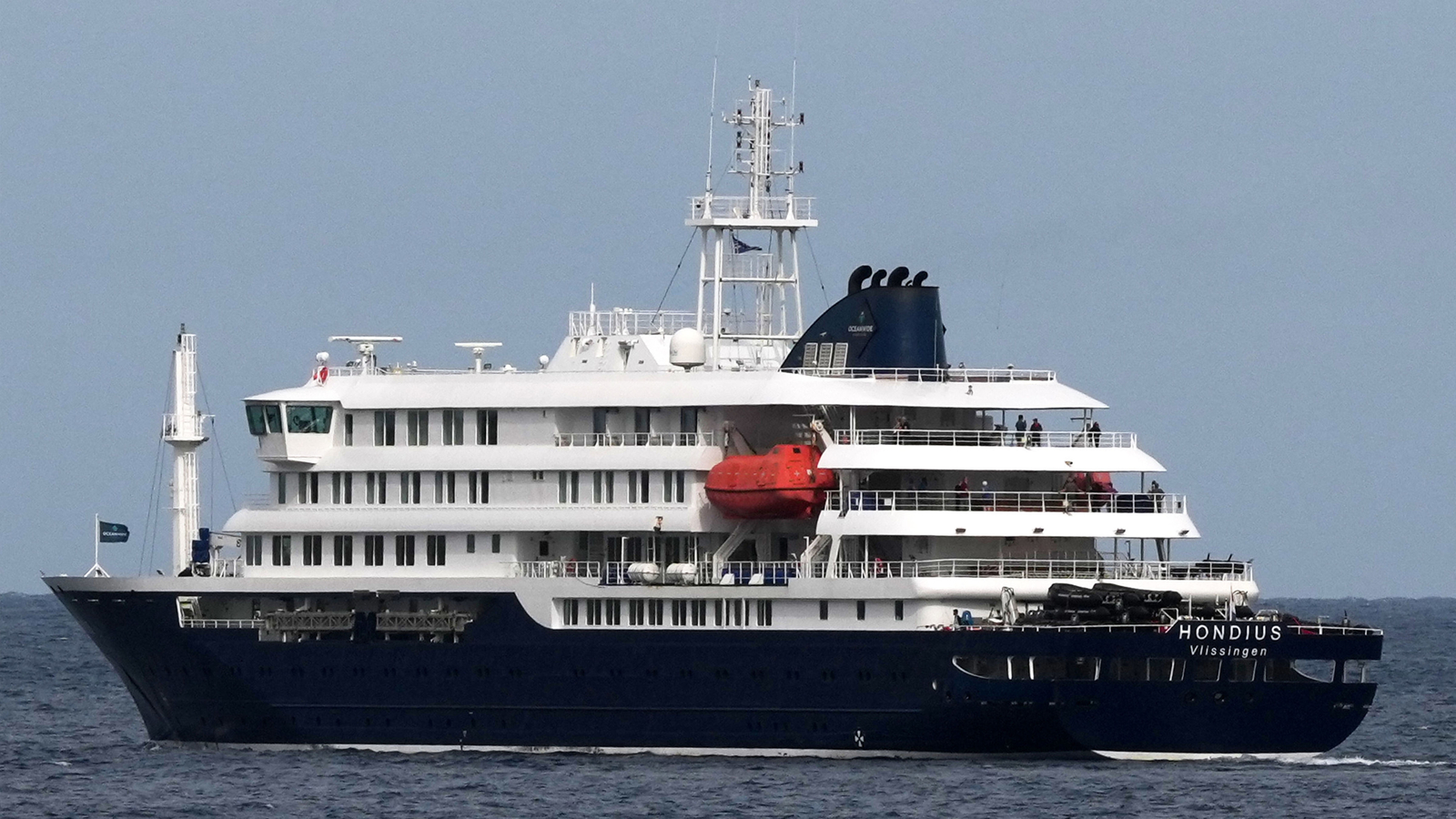
A hantavirus cruise ship outbreak aboard the MV Hondius has become an international public health concern, leaving three passengers dead and dozens of untracked travelers scattered across at least 12 countries. Health authorities on four continents are now scrambling to locate and monitor individuals who disembarked from the expedition vessel more than two weeks after the first fatality occurred on board. The unprecedented situation has exposed significant gaps in contact tracing and raised urgent questions about how a rodent-borne illness can travel across oceans and borders with unsuspecting passengers.
Timeline of a Tragedy at Sea
The crisis began quietly on April 11, when a Dutch man became the first passenger to die from hantavirus while aboard the MV Hondius. His body was transported off the ship when it docked at St. Helena, a remote volcanic British territory in the South Atlantic, on April 24. His wife, also infected, disembarked alongside him and flew to South Africa the following day, where she subsequently died in a Johannesburg hospital.
It wasn’t until May 2 that health authorities first confirmed hantavirus in a passenger , a British man who had been evacuated from the vessel to South Africa via Ascension Island. Tragically, that same day, a German woman became the third fatality aboard the ship. Her body remains on the vessel as it continues its voyage.
The delay between the first death and the formal diagnosis has complicated the response. Three individuals, including the ship’s doctor, were evacuated Wednesday near Cape Verde and transported to specialized hospitals in Europe for treatment. Meanwhile, Oceanwide Expeditions, the Netherlands-based cruise operator, has confirmed that none of the approximately 140 passengers and crew still aboard are currently showing symptoms.
The Cruise Ship’s Untracked Passengers
One of the most alarming aspects of this hantavirus cruise ship outbreak is the number of travelers who left the vessel without proper tracking. According to Oceanwide Expeditions, roughly 30 passengers disembarked at St. Helena on April 24, though Dutch officials put the number closer to 40. These individuals scattered across the globe before anyone knew the ship was carrying a deadly pathogen.
- Singapore: Health authorities are monitoring two men who flew home via South Africa. One has a runny nose; the other remains asymptomatic.
- United Kingdom: Two passengers who flew home mid-journey are self-isolating, along with a small number of contacts.
- Switzerland: A man who disembarked at St. Helena has tested positive for hantavirus.
- South Africa: Officials are tracing contacts from the April 25 flight from St. Helena to Johannesburg, which carried 88 people total.
- St. Helena: Higher-risk contacts have been instructed to isolate for 45 days.
A Dutch flight attendant who briefly boarded a plane in South Africa alongside an infected cruise passenger is now showing symptoms and will be tested in isolation at an Amsterdam hospital. If she tests positive, she could become the first known case of secondary transmission outside the ship itself.
Understanding the Andes Virus
Tests have confirmed that at least five infected passengers contracted the Andes virus, a strain of hantavirus endemic to South America. Unlike most hantaviruses , which typically spread through inhalation of rodent droppings, urine, or saliva , the Andes virus is uniquely capable of human-to-human transmission.
The vessel departed from Argentina, and investigators are focusing their attention on the couple who presented the first two cases. According to WHO Director-General Tedros Adhanom Ghebreyesus, the Dutch couple had traveled through Argentina, Chile, and Uruguay on a bird-watching excursion before boarding. They reportedly visited locations where the native rat species known to carry the Andes virus was present.
The Threat of Hantavirus Pulmonary Syndrome
Infection with the Andes virus can lead to hantavirus pulmonary syndrome (HPS), a severe and frequently fatal respiratory illness. Argentina’s health ministry reported 28 deaths from hantavirus last year alone, representing a sharp increase from the previous five-year average of 15 fatalities annually. Nearly one-third of all confirmed cases in Argentina proved fatal.
The disease carries a notoriously long incubation period, with symptoms typically appearing between one and eight weeks after exposure. This extended window creates a significant challenge for contact tracing, as infected individuals may travel widely before realizing they are ill.
Global Health Authorities Mobilize
The World Health Organization (WHO) has taken a leading role in coordinating the international response. Dr. Abdirahman Mahamud, the WHO’s alert and response director, has emphasized that the risk to the broader public remains low, given that hantaviruses are generally difficult to transmit between people.
“We believe this will be a limited outbreak if the public health measures are implemented and solidarity is shown across all countries,” Mahamud stated.
The WHO has arranged for 2,500 diagnostic kits to be shipped from Argentina to laboratories in five different countries, enabling faster identification of new cases. Tedros has also maintained regular contact with the ship’s captain and reported that morale among those still aboard has improved significantly since the vessel resumed its voyage.
Domestic Expert Reaction
In the United States, Dr. Robert Citronberg of Advocate Health Care has weighed in on the concerns raised by the outbreak, noting that while hantavirus infections remain rare in North America, the international scope of this incident underscores the importance of vigilance in monitoring emerging infectious diseases.
Where Things Stand Now
The MV Hondius is currently sailing toward Spain’s Canary Islands, a journey expected to take three to four days. With more than 140 passengers and crew still on board, the focus has shifted to preventing further transmission during the final leg of the voyage and ensuring that all disembarking travelers undergo appropriate health screening.
Public Health Implications
This cruise ship outbreak has highlighted several vulnerabilities in global health security:
- Delayed diagnosis: The 21-day gap between the first death and confirmed hantavirus testing allowed potentially exposed individuals to travel internationally.
- Limited contact tracing: With passengers from at least 12 countries, no single health authority has jurisdiction over all exposed individuals.
- Symptom variability: The wide range of possible symptoms and lengthy incubation period makes early detection difficult.
- Cross-border coordination: Effective response requires unprecedented cooperation among nations with different healthcare systems.
Conclusion
The hantavirus cruise ship outbreak aboard the MV Hondius serves as a sobering reminder of how quickly infectious diseases can traverse the globe in our interconnected world. With three lives lost and dozens of untracked passengers spread across multiple continents, public health officials are engaged in a complex race against time to contain a virus that, while not easily transmissible, carries devastating consequences for those it infects.
As the ship makes its way to the Canary Islands and laboratories across five countries await their diagnostic kits, the international community is watching closely. The success or failure of this coordinated response may well shape how the world prepares for future outbreaks aboard cruise ships and other vessels that bring together travelers from every corner of the globe. For now, vigilance, transparency, and cross-border solidarity remain the most powerful tools in preventing further tragedy.