
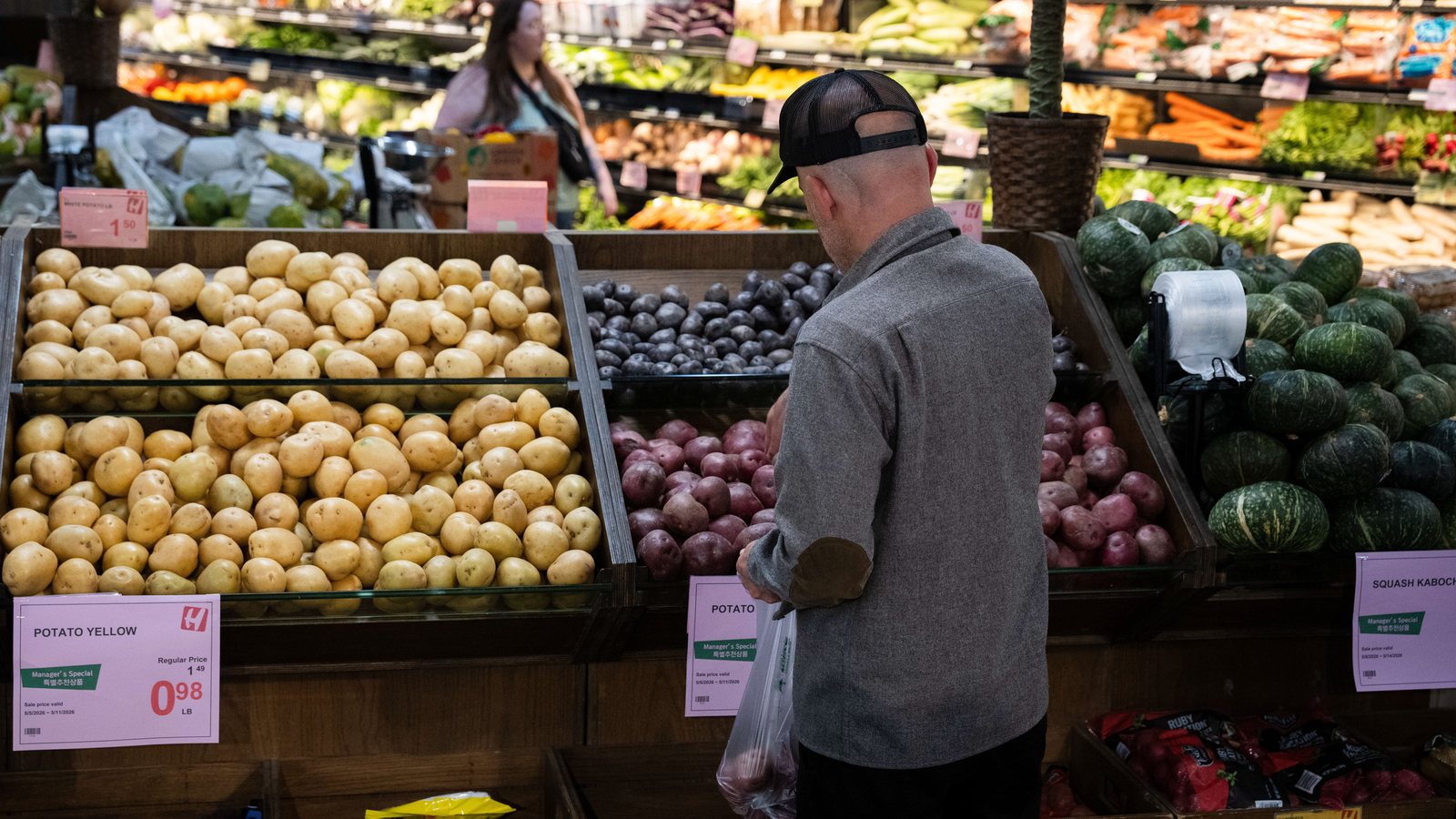
Grocery prices are climbing again, leaving many households searching for practical ways to stretch their food budget. The latest Consumer Price Index figures highlighted a 0.7% monthly increase in food-at-home prices and a 2.9% rise over the previous 12 months. Some everyday staples have increased even more sharply, making a routine shopping trip feel noticeably more expensive.
Whether you are shopping for a family, cooking for one, or trying to reduce impulse purchases, a few strategic changes can make a meaningful difference. Here are five smart tips for saving money on groceries without relying on drastic coupon clipping or sacrificing every item on your list.
Why grocery bills are rising
Higher prices affect nearly every part of the food supply chain. Energy, diesel fuel, transportation, packaging, labor, and agricultural costs all influence what shoppers pay at the register. Because food must be grown, processed, shipped, and stored, increases in one area can quickly affect another.
The price changes are especially visible in commonly purchased products. Ground beef reached a record high in the cited period, rising nearly 15% over the prior year. Fresh tomatoes increased by almost 40%, while iceberg lettuce rose about 8%. The increases were not limited to meat and produce: poultry, fish, eggs, fruits, vegetables, and dairy products also became more expensive.
These changes do not mean every trip must become a scavenger hunt for discounts. Instead, shoppers can focus on the factors they can control: what they buy, where they shop, how often they shop, and how much food they waste.
5 smart tips to save money on groceries
1. Plan meals and compare prices before you shop
Meal planning is one of the most effective ways to control a grocery budget. Before heading to the store, check your pantry, refrigerator, and freezer, then plan several meals around the ingredients you already have. A list based on actual meals is usually more useful than a collection of unrelated products that may not turn into complete dinners.
Keep the list somewhat flexible. If a planned vegetable is expensive, choose a lower-cost substitute such as carrots, cabbage, canned tomatoes, or frozen vegetables. Flexible planning lets you respond to weekly prices without abandoning your budget.
Before leaving home, compare prices at nearby stores, including supermarket flyers, websites, and apps. A slightly higher price on one item may be worthwhile if another store is much cheaper on several products. However, include transportation costs and the value of your time. Driving across town to save fifty cents on one product may not be worth the extra gas, especially when the goal is to reduce overall grocery prices.
2. Use coupon apps, store websites, and delivery promotions strategically
Digital coupon tools can make comparison shopping faster and easier. Apps such as Flipp, Grocery Pal, Basket, Checkout 51, and CouponCabin may list discounts, digital coupons, or promotions available at stores in your area. Delivery services such as Uber Eats and DoorDash also occasionally offer reduced fees, free delivery, or store-specific promotions.
Do not download every app and assume that the first discount shown is automatically the best one. Check the expiration date, required purchase amount, eligible products, and whether the offer can be combined with another promotion. Digital coupons are most useful when they match items already on your meal plan.
Try grouping your purchases to meet a delivery or pickup threshold rather than ordering a small basket and paying a large service fee. Conversely, if a promotion requires a second trip, compare the potential savings with the cost of transportation. The best grocery deal is the one that lowers your total spending, not merely the one with the largest advertised discount.
3. Join loyalty programs and consider private-label products
Most major grocery chains offer free loyalty programs that provide digital coupons, personalized offers, reward points, or cashback opportunities. These programs can deliver useful savings with little effort, particularly when you routinely shop at the same store. Check whether a loyalty account includes a digital version of the weekly circular or special prices that are not available to nonmembers.
Private-label and store-brand foods are another important option. These products are often manufactured by the same companies that produce national brands, but they may cost less because the retailer spends less on packaging, advertising, and premium shelf placement. Compare ingredients, serving sizes, and customer reviews before making a permanent switch.
A good approach is to test store-brand versions of familiar staples first. Rice, pasta, canned beans, frozen vegetables, cereal, yogurt, spices, and many pantry products are easy candidates for a low-risk comparison. You may find that the quality is virtually identical, allowing you to save on products you already use regularly.
4. Skip pre-cut produce and reduce food waste
Convenience has a price. Pre-cut fruit, sliced vegetables, prepared salads, and individually packaged snacks often cost more per usable ounce than the whole ingredients. Buying whole produce and taking a few minutes to wash, peel, or chop it at home can produce significant savings over time.
Preparing produce as soon as you return from the store can also make it easier to use. Wash berries, divide vegetables into snack-size portions, and store ingredients where they are visible. When food is convenient to grab, it is less likely to be forgotten and discarded.
To further reduce waste, plan one or two meals around ingredients that need to be used soon. Extra vegetables can become soup, stir-fry, pasta sauce, or a frittata. Cooked leftovers can become lunch the next day. Reducing food waste protects both your grocery budget and the value of the money you have already spent.
5. Look beyond eye level and compare the unit price
Grocery stores frequently place highly advertised brands at eye level, where shoppers are most likely to notice them. Less expensive alternatives may be placed on the top or bottom shelves. Taking a moment to look above and below your usual reach can uncover lower-priced products without changing the rest of your shopping strategy.
More importantly, compare the unit price rather than the total price on the front of the package. The unit price shows the cost per ounce, pound, quart, or other standard measurement. A larger package may look expensive while actually costing less per serving.
For example, a 20-ounce container priced at $4.00 has a unit cost of $0.20 per ounce. A 16-ounce container priced at $3.50 costs about $0.22 per ounce, making the larger package the better value despite its higher shelf price. Be sure to compare products using the same unit and serving size, since package sizes and preparation requirements can differ.
Make small changes that add up
The most effective grocery savings strategy is usually a combination of habits rather than one dramatic trick. Planning meals helps prevent impulse purchases. Digital coupons and loyalty programs lower the cost of planned items. Store-brand products can replace expensive name brands. Whole produce is often cheaper than convenience-packaged food, and unit pricing makes it easier to recognize genuine bargains.
Start with one or two changes rather than trying to overhaul your entire routine at once. Track prices on a few staples for several weeks, notice which stores consistently offer the best value, and pay attention to what your household actually uses. Over time, these small adjustments can make rising grocery prices feel more manageable and help your food budget go further.
Smart shopping is not about buying the least food possible. It is about spending deliberately, reducing waste, and finding the best value for the meals your household needs.