
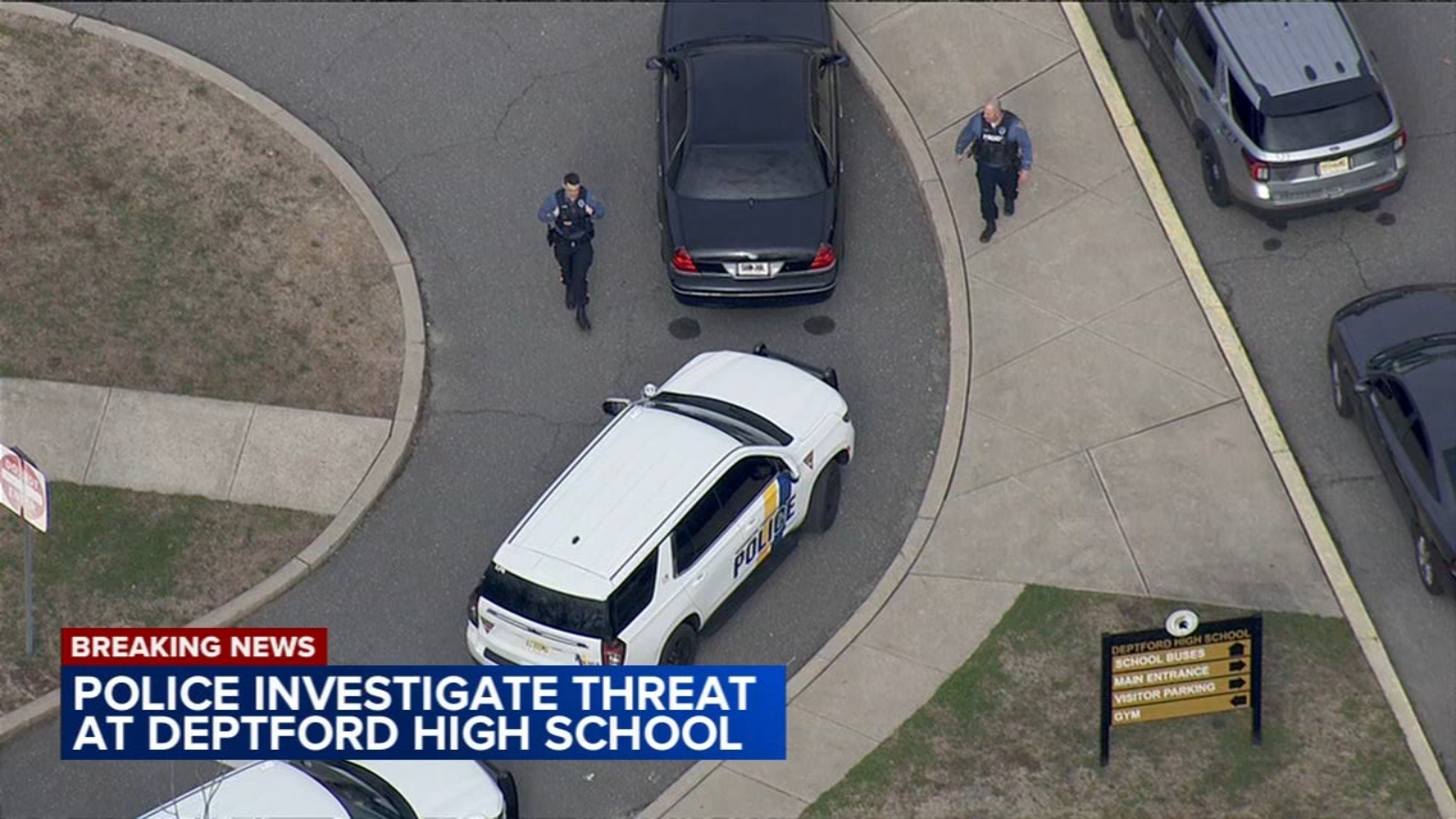
Two high schools in Gloucester County, New Jersey, became the focus of urgent police activity last Thursday morning after school threats were reported at both campuses within minutes of each other. While the threats prompted immediate responses from law enforcement and school officials, investigators ultimately determined that neither incident was credible. The back-to-back nature of the reports, however, raised questions about how communities should respond to such events and what factors go into assessing whether a threat is real.
In this post, we’ll break down what happened at West Deptford High School and Deptford High School, examine how authorities determined the threats were not credible, and explore the broader implications of school threats in communities across the country.
What Happened at the Two Gloucester County Schools?
The morning began with a sense of routine for students, staff, and families in Gloucester County, but it quickly shifted into an active emergency response. According to local reports, the first of two school threats was issued just before 7:30 a.m. against West Deptford High School. Less than twenty minutes later, a second threat surfaced against Deptford High School, just across the township line.
Both schools moved quickly to coordinate with local law enforcement. Police officers arrived on scene at each campus and conducted thorough searches of the buildings and grounds. After sweeping the properties and finding no evidence of danger, authorities concluded that neither threat was considered credible.
Timeline of Events
- Before 7:30 a.m. , First threat reported against West Deptford High School.
- Just after 7:40 a.m. , Second threat reported against Deptford High School.
- Throughout the morning , Police searched both campuses and surrounding areas.
- Later that morning , Authorities confirmed neither threat was credible; no dangerous items or persons were located.
How Authorities Determine Whether a School Threat Is Credible
Not all threats are created equal. When law enforcement receives a report of a potential danger at a school, investigators must work quickly to assess the credibility of the claim. Several factors typically influence this determination:
Source of the Threat
Investigators look closely at where the threat originated. Threats communicated through anonymous channels, social media accounts with no real identity attached, or written notes with no fingerprints often require additional verification. In contrast, a named individual making a direct statement can be identified and questioned more easily.
Specificity and Detail
Vague or broad statements often signal a lower level of credibility. A threat that includes specific details , such as a date, time, location, method, or weapon , generally receives a more serious response from law enforcement, even if it later turns out to be unfounded.
Behavioral Indicators
Law enforcement and school officials consider whether the person making the threat has exhibited concerning behavior, made prior statements, or shown access to weapons or materials that could carry out the threat. Threat assessment teams often look at the totality of circumstances surrounding the individual involved.
Physical Evidence
Investigators search the premises for any indication that planning or preparation has taken place. In both Gloucester County incidents, no such evidence was found, which contributed to the determination that the threats were not credible.
The Response: A Community Effort
Even when threats are ultimately deemed non-credible, the response itself is no small undertaking. On Thursday, multiple agencies likely coordinated to ensure student and staff safety. This type of response often involves:
- Local police departments patrolling school perimeters and interiors.
- School administrators initiating lockdown or shelter-in-place procedures.
- Communication with parents through phone calls, emails, or text alerts.
- Coordination with the school district’s central office.
- In some cases, involvement of county or state law enforcement resources.
The rapid deployment of these resources demonstrates how seriously schools and law enforcement take school threats, regardless of their eventual classification. The priority is always to protect students, and that means erring on the side of caution until the situation is fully understood.
The Bigger Picture: School Threats Across the Nation
Incidents like the ones in Gloucester County are far from isolated. Across the United States, schools receive thousands of threats each year, ranging from vague warnings posted on social media to detailed plans circulated in chat groups. The vast majority of these threats turn out to be non-credible , often hoaxes, pranks, or statements made in the heat of the moment , but every single one requires a response.
Why Non-Credible Threats Still Matter
Even when a threat is not credible, it carries consequences. These include:
- Disrupted learning. Classes are interrupted, lockdowns may be initiated, and instructional time is lost.
- Emotional toll. Students, teachers, and parents experience anxiety and fear, sometimes lasting long after the threat is resolved.
- Resource allocation. Police officers, administrators, and emergency responders dedicate significant time to each incident.
- Criminal consequences. Individuals who make threats , even non-credible ones , can face serious legal charges, including felony offenses in many states.
The Role of Social Media
Many modern school threats originate on social media platforms, gaming chat systems, or anonymous messaging apps. The digital nature of these threats makes them easy to spread but sometimes difficult to trace. Law enforcement agencies have invested heavily in digital forensics and social media monitoring partnerships to identify individuals who post threats online.
Legal Consequences of Making School Threats
In New Jersey, as in most states, making a threat against a school is a serious criminal offense , even if the person making the threat has no intention or ability to carry it out. Depending on the nature of the threat and the circumstances, charges can range from disorderly persons offenses to felony terrorism-related charges that carry significant prison time.
School districts and prosecutors have taken an increasingly firm stance in recent years, pursuing charges even against juveniles who make statements they may consider jokes. The message from authorities is clear: there is no acceptable reason to threaten a school, and the consequences are real.
How Communities Can Support School Safety
While law enforcement and school administrators shoulder much of the responsibility, parents and community members play a critical role in preventing and responding to school threats.
Talk to Children About Reporting
One of the most effective prevention tools is teaching young people the importance of reporting concerning behavior. Encourage children to speak up if they hear or see something that worries them, and emphasize that reporting is not “snitching” , it is a way to keep friends and classmates safe.
Monitor Social Media Use
Parents should maintain awareness of their children’s online activity, particularly on platforms that allow anonymous communication. Many school threats originate online, and early intervention can prevent escalation.
Know the Warning Signs
Be alert to sudden changes in behavior, expressions of hopelessness or anger, fixation on violence, or references to previous attackers. These signs do not necessarily predict violence, but they warrant attention and possibly professional support.
Build Relationships with Schools
Parents who maintain open communication with teachers and administrators create a stronger safety network. When families and schools work together, concerns are more likely to be identified early and addressed appropriately.
Conclusion
The school threats reported at West Deptford High School and Deptford High School on Thursday served as a reminder that even non-credible threats disrupt communities and demand serious responses. Thanks to the swift action of local police and school officials, both campuses were cleared without incident, and no students or staff were harmed. While the threats themselves were ultimately determined not to be credible, the events highlighted the importance of preparedness, vigilance, and community cooperation in keeping schools safe.
For families, educators, and law enforcement, the lesson is consistent: every report deserves to be taken seriously, every threat carries potential consequences, and every community benefits when prevention and response efforts are coordinated and well-practiced. By staying informed, talking openly with young people, and supporting the work of school safety professionals, communities can continue to respond effectively to the threats that emerge , and help prevent them in the first place.