
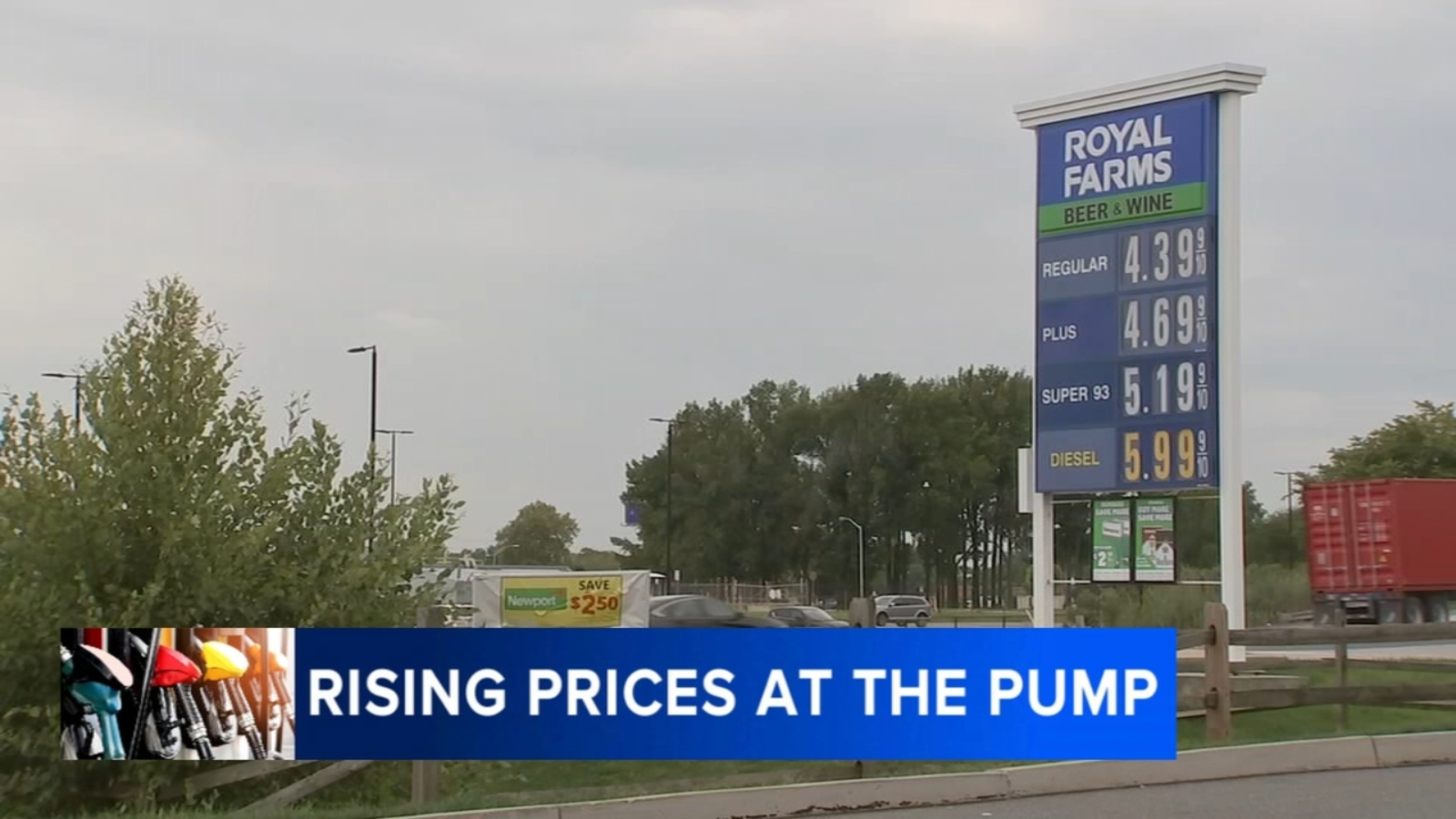
As Labor Day weekend approaches, drivers across the Northeast are confronting a familiar but unwelcome reality: gas prices have surged to historic highs, leaving many motorists scrambling to find affordable fuel before hitting the road. With the price of a single gallon now exceeding $4 in many Pennsylvania stations and climbing rapidly in neighboring New Jersey, travelers are facing a financial pinch that could reshape their holiday plans. Industry experts are calling this the most expensive August on record for gasoline costs, and AAA data confirms the trend shows no signs of slowing down before the long weekend.
The Current State of Gas Prices at the Pump
Recent surveys of fuel stations across the Philadelphia metropolitan area reveal just how steep the climb has been. At a busy intersection in Drexel Hill, Pennsylvania, prices at popular convenience store chains Wawa and Speedway hovered around $4.39 per gallon, while a nearby Sunoco was charging slightly less at $4.24. All of these figures sit comfortably above the statewide average and represent a dramatic year-over-year increase.
Perhaps most alarming for regular commuters is the overnight spike reported at a New Jersey Wawa, where prices jumped an astonishing 28 cents in a single night. According to AAA, the average price of gas in Pennsylvania now stands at approximately $4.21 per gallon, which represents a 95-cent increase compared to the same period last year. For drivers filling up a standard 15-gallon tank, that’s nearly $15 in additional costs every time they visit the pump.
What Travelers Are Saying
The sticker shock isn’t just a statistic; it’s a real-world burden affecting everyday Americans. One traveler from Dallas, Texas, who was driving a rental car through Ridley Park, Pennsylvania, expressed genuine surprise at the cost difference he encountered compared to his home state. He estimated that prices were running roughly 70 cents higher per gallon than what he was accustomed to paying in Texas.
Another local driver, a Wallingford resident named Paul Pro, captured the collective frustration with a candid observation: filling up his vehicle now costs approximately $50, a sum he describes as “ridiculous” but unavoidable. His experience mirrors that of countless commuters who view fueling their cars as a non-negotiable expense, regardless of how steep the price tag becomes.
Why Are Gas Prices Climbing So Sharply?
AAA spokesperson Jana Tidwell has confirmed that this August marks the most expensive month for gas prices in recorded history. Several converging factors are contributing to this unprecedented surge, and understanding them helps explain why relief doesn’t appear imminent.
Geopolitical Tensions and Global Supply
The ongoing conflict in the Middle East remains one of the most significant drivers of elevated fuel costs. Even when American refineries aren’t directly affected by regional instability, global oil markets respond to perceived threats with price increases that ripple across continents. Traders and analysts monitor tensions closely because any disruption to major oil-producing regions can send shockwaves through commodity markets within hours.
Seasonal Demand Patterns
Late summer traditionally brings increased travel demand as families squeeze in final vacations before the school year begins. This seasonal uptick compounds the existing price pressures, creating a perfect storm for consumers. The convergence of holiday travel with already-elevated baseline prices means Labor Day weekend often produces some of the year’s highest pump prices.
Regional Refining Dynamics
The Northeast has long struggled with higher gasoline costs compared to other parts of the country, partly due to limited pipeline access and reliance on marine transportation for fuel imports. These structural factors mean that even when national averages stabilize, drivers in Pennsylvania, New Jersey, and Delaware often continue paying premium prices.
How Rising Gas Prices Impact Labor Day Travel
Despite the financial strain, AAA anticipates that the surge in gas prices will not significantly deter Americans from hitting the road for Labor Day weekend. Travel remains deeply embedded in American culture, particularly during holidays that traditionally mark the unofficial end of summer. However, the nature of that travel is shifting in subtle but meaningful ways.
Adjusted Budgets and Shorter Trips
Many families are responding to higher fuel costs by adjusting their travel budgets rather than canceling trips altogether. This might mean choosing destinations closer to home, consolidating errands into single trips, or extending weekend stays to maximize the value of the fuel already spent getting there. Some travelers are also carpooling or using ride-sharing services to split costs.
Cross-Border Fuel Shopping
A smart strategy gaining popularity involves crossing state lines to fill up where prices are lower. AAA experts have specifically pointed out that gas prices in New Jersey and Delaware tend to be cheaper than in Pennsylvania. Drivers planning to travel east for the holiday weekend are being advised to wait and refuel once they cross the border, potentially saving 20 to 40 cents per gallon in the process.
The Hunt for Affordable Fuel: Strategies That Work
Savvy drivers aren’t simply accepting the prevailing prices; they’re actively hunting for bargains. The story of one Wallingford resident finding gas for $4 per gallon at a Freedom Fuel station in Brookhaven illustrates a growing trend toward price-conscious consumerism at the pump. Such finds, while not dramatic savings, can add up to meaningful relief for households operating on tight budgets.
Apps and Tools for Price Comparison
Modern technology has made it easier than ever to compare fuel costs across multiple stations. Smartphone applications allow drivers to view real-time pricing data, read reviews, and even receive alerts when prices drop at their preferred locations. Taking a few extra minutes to check these tools before filling up can result in substantial annual savings.
Loyalty Programs and Discount Partnerships
Many grocery chains, warehouse clubs, and credit card companies offer fuel discount programs that can shave several cents off every gallon. While these savings may seem modest, they accumulate quickly for households that fill up frequently. Some programs offer discounts of 10 to 30 cents per gallon when combined with specific shopping behaviors.
Maximizing Fuel Efficiency When Prices Are High
Beyond finding cheaper fuel, drivers can reduce the overall amount of gasoline they consume through smart maintenance and driving habits. AAA recommends several practical strategies that can meaningfully improve fuel economy, particularly during periods of elevated prices.
- Remove unnecessary weight: Extra items in your trunk or back seat force the engine to work harder, reducing miles per gallon significantly.
- Stay current on maintenance: Regular oil changes, properly inflated tires, and clean air filters all contribute to better fuel efficiency.
- Drive smoothly: Aggressive acceleration and hard braking waste fuel. Maintaining steady speeds, especially on highways, can improve your overall consumption by 15 to 30 percent.
- Combine trips: Running multiple errands in a single outing reduces cold starts, which are inherently less fuel-efficient than warm engines.
- Limit idling: Modern vehicles don’t require extended warm-up periods, and excessive idling simply burns fuel without moving the vehicle.
The Legal Dispute Behind One Discount Fuel Provider
The story of Freedom Fuel, the Brookhaven station offering comparatively lower prices, includes a recent legal complication worth noting. A fuel supplier filed a lawsuit alleging that the company had failed to pay for gasoline deliveries made during the summer months. Attorneys representing Freedom Fuel’s parent company have characterized the dispute as stemming from accounting errors on invoices rather than non-payment.
Fortunately for cost-conscious consumers, a recent court ruling granted Freedom Fuel a motion allowing the company to continue selling gas while the legal matter is resolved. This outcome preserves an important low-price option for drivers in the Brookhaven area and demonstrates how business disputes can indirectly affect consumer access to affordable fuel.
Looking Ahead: What Drivers Should Expect
While predicting exact price movements remains challenging, several factors suggest that gas prices will remain elevated in the near term. Geopolitical tensions show no signs of immediate resolution, refinery maintenance season typically pushes prices higher in the fall, and continued strong demand supports the current pricing environment.
However, history suggests that prices will eventually moderate as supply adjusts and seasonal patterns shift. Drivers who remain patient, strategic, and informed will be best positioned to weather the current spike without drastically altering their lifestyles or travel plans.
Conclusion
The surge in gas prices ahead of Labor Day weekend has delivered genuine financial stress to households across the Northeast, but it hasn’t broken the American tradition of holiday travel. From record-breaking statewide averages to overnight price jumps at individual stations, the data confirms what drivers already feel at the pump: fuel costs are at historic highs, and smart strategies are essential. Whether that means crossing state lines for cheaper fuel, leveraging discount programs, or simply maintaining your vehicle more diligently, there are concrete steps every motorist can take to mitigate the impact. As the long weekend approaches, the message from AAA and industry experts is clear: plan ahead, shop around, and don’t let sticker shock derail your plans entirely. After all, as one seasoned driver put it, “Gas is gas. You’re going to pay it no matter what, so you’re going to go whatever is cheaper.”