
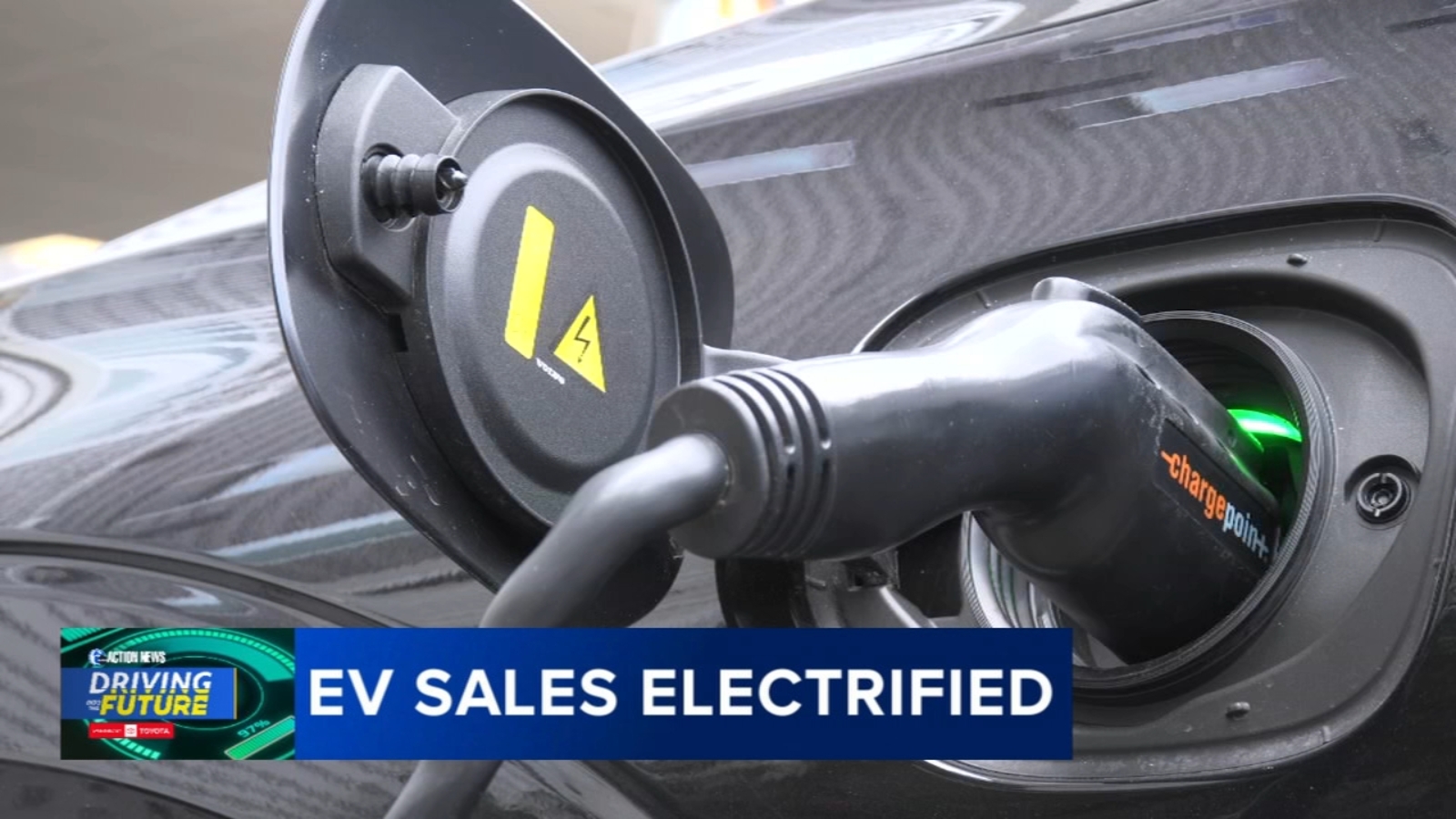
American drivers are feeling the pinch at the pump as gas prices have climbed an eye-catching 96 cents per gallon for regular fuel since the start of the war in Iran, according to GasBuddy data. This dramatic surge has reignited a familiar conversation in households across the country: is it finally time to make the switch to an electric vehicle? According to industry analysts tracking consumer behavior, more car shoppers than ever before are at least exploring the idea.
While gas prices alone don’t dictate the entire automotive market, they serve as a powerful catalyst that pushes curious drivers toward research mode. The current climate of oil market uncertainty has created exactly the kind of conditions that historically accelerate conversations about EV adoption, hybrid cars, and other alternatives to traditional gasoline-powered transportation.
What the Data Tells Us About Changing Car Shopping Trends
Joseph Yoon, a consumer insights analyst at Edmunds , a leading online marketplace for researching, buying, and selling vehicles , has been tracking the shifting attitudes of American car buyers with keen interest. His findings paint a compelling picture of a market in flux.
A Notable Bump in Shopper Behavior
“In the past week or two, what we’re seeing is a kind of a notable bump in shopper behavior,” Yoon explained in recent interviews. Specifically, Edmunds has documented increased interest in what the industry broadly terms “electrified vehicles” , a category that encompasses fully electric EVs, traditional hybrids, and plug-in hybrid models.
The numbers tell a fascinating story. Before the current geopolitical conflict began, roughly 20 percent of car shoppers on the Edmunds platform were already exploring alternatives to conventional gasoline vehicles. That baseline interest has now surged upward:
- Pre-conflict baseline: approximately 20% of shoppers exploring alternatives
- Week one of conflict: approximately 23%
- Week two of conflict: approximately 25%
This represents a 25% relative increase in exploratory interest , a significant shift that reflects how sensitive consumer attitudes are to fuel costs and energy market stability.
Echoes of 2022
The current pattern isn’t unprecedented. Yoon and his colleagues at Edmunds have seen this movie before. When Russia invaded Ukraine in 2022, gas prices spiked dramatically, and consumer interest in electric vehicles followed suit.
“People were like, ‘oh, maybe it’s time to look at an EV,'” Yoon recalled about the 2022 surge. “And I think right now, with gas prices being very unstable at the pump, a lot of people are doing the same thing all over again.”
This recurring pattern suggests that geopolitical tensions and oil market disruptions serve as recurring catalysts for EV curiosity, even among drivers who may have previously dismissed the idea entirely.
From Curiosity to Commitment: The Conversion Challenge
While the uptick in interest is genuinely noteworthy, Yoon urged caution before drawing sweeping conclusions. There is a meaningful gap between browsing behavior and actual purchase decisions.
Interest vs. Intent
“It’s too early to know whether the shift in interest will translate into higher EV sales,” Yoon cautioned. The distinction matters enormously for automakers, policymakers, and anyone trying to forecast the trajectory of the electrified vehicle market.
Browsing a website, watching comparison videos, or even test-driving a vehicle doesn’t necessarily mean a buyer is ready to commit. Many factors influence whether EV adoption actually accelerates, including:
- Vehicle availability and pricing , supply chain constraints and MSRP levels
- Charging infrastructure , particularly for apartment dwellers and rural residents
- Total cost of ownership calculations , including financing terms
- Range anxiety , especially for longer commutes
The Financial Reality Check Every Shopper Needs
Perhaps the most important piece of consumer advice embedded in Yoon’s analysis concerns the financial realities of vehicle shopping during periods of high gas prices. The instinct to act quickly can sometimes lead to costly mistakes.
Why Rushing Rarely Saves Money
“If you’re looking to switch vehicles thinking that you’ll save money, ultimately you won’t,” Yoon warned , and his warning deserves careful consideration. Here’s why: vehicles, whether gas-powered or electric, represent significant purchases that lose value the moment they leave the lot. Add in elevated interest rates for auto loans, and the math gets even more complicated.
Consumers who don’t absolutely need a new vehicle would be wise to resist the urge to panic-buy, regardless of which type of car they’re considering.
Where the Real Savings Live
Yoon emphasized that the genuine financial advantages of owning an electric vehicle emerge gradually, over the lifespan of ownership. These benefits typically include:
- Reduced or eliminated fuel costs , depending on charging habits and local electricity rates
- Lower maintenance expenses , EVs have fewer moving parts and don’t require oil changes, transmission service, or many traditional maintenance items
- Potential tax incentives , depending on current federal and state programs
- Longer brake life , thanks to regenerative braking systems
When spread over five, seven, or ten years of ownership, these savings can become quite substantial , but they’re realized over time, not at the moment of purchase.
Charging Costs: The Other Half of the Equation
For prospective EV owners, understanding the true cost of fueling an electric vehicle is essential. According to AAA, the national average cost of electricity at public EV charging stations currently sits at around 41 cents per kilowatt-hour.
To put that number in context: most electric vehicles consume somewhere between 25 and 35 kilowatt-hours per 100 miles. Doing the math yields an effective cost of roughly $10 to $14 to cover that distance at public charging rates , a figure that varies based on the specific vehicle, driving conditions, and pricing structure of the charging network.
Home charging typically costs considerably less, depending on local electricity rates and time-of-use programs. Many EV owners who can charge at home overnight report dramatically lower per-mile fueling costs compared to gasoline vehicles.
What This Means for the Broader Automotive Landscape
The current moment represents an interesting inflection point for the entire automotive industry. Automakers have invested billions in electrified vehicle platforms, and consumer interest , while volatile , continues to trend upward over the long term.
Market Implications
Short-term spikes in gas prices historically produce temporary bumps in EV interest that don’t always translate to sustained sales growth. However, each cycle of high gas prices introduces new drivers to the EV conversation, normalizing electric vehicles in the minds of mainstream consumers.
Industry observers will be watching closely to see whether this latest wave of interest produces more lasting effects than previous spikes. Factors that could amplify the impact include:
- Increased model availability across price points
- Continued expansion of public charging infrastructure
- Improved battery technology addressing range concerns
- More attractive financing and lease options
Making Smart Decisions in an Uncertain Market
For drivers contemplating their next vehicle purchase, the current environment calls for thoughtful analysis rather than reactive decisions. The connection between volatile gas prices and electric vehicle consideration is real, but the jump from curiosity to commitment deserves careful evaluation.
Before making any vehicle purchase , whether gas, hybrid, or fully electric , smart shoppers should calculate total cost of ownership, assess their actual driving needs, research available incentives, and consider how long they plan to keep the vehicle. The current climate of high fuel costs will eventually stabilize in one direction or another, but the vehicle you choose should serve you well across many market conditions.
The renewed interest in electrified vehicles that we’re seeing today reflects a broader truth: American drivers are paying attention to the total economics of vehicle ownership, and many are concluding that alternatives to pure gasoline power deserve serious consideration. Whether that consideration becomes action remains to be seen , but the conversation is undeniably gathering momentum with every spike at the pump.