
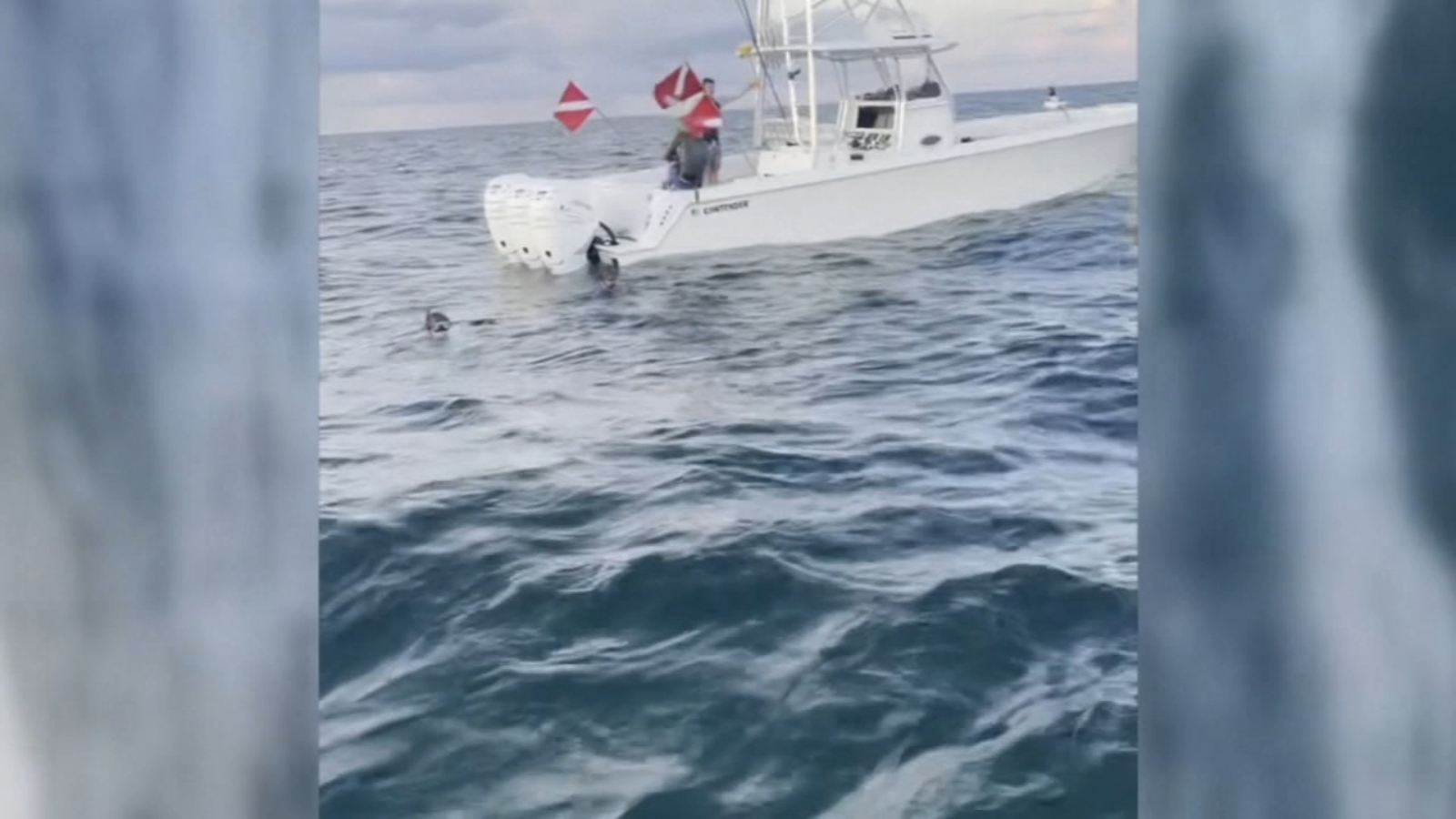
A former Florida boating safety task force member is now facing an attempted murder charge after authorities say he deliberately cut off the air supply of a teenage lobster diver who was submerged off the coast of Miami. The shocking incident has raised serious questions about maritime safety, accountability, and the conduct of those entrusted with promoting responsible behavior on the water.
The Incident: A Confrontation at Sea
The alarming events unfolded on July 29, off the shores of Fisher Island near Miami Beach, according to an arrest affidavit from the Miami-Dade Sheriff’s Office. Steven Del Sol, the captain of a lobster diving vessel, reported that his boat was anchored when a Conch-brand boat, allegedly operated by 51-year-old Michael Joseph Simpson Jr., approached at high speed and began circling his vessel.
At the time of the confrontation, a teenage diver from Del Sol’s boat was already underwater hunting for spiny lobsters. The young diver was using a device commonly known as a “third lung,” which floats on the water’s surface and pumps compressed air to divers through a breathing hose. This piece of equipment is essential for lobster divers, allowing them to stay submerged for extended periods without surfacing for air.
Escalating Tensions Over a Claimed Diving Spot
After Simpson allegedly anchored his boat just 10 feet from Del Sol’s vessel, a heated verbal exchange broke out. According to the affidavit, occupants of Simpson’s Conch boat claimed Del Sol was occupying “their spot,” even though Del Sol insisted he had anchored there first. The dispute intensified when a second boat, a 39-foot Contender vessel allegedly linked to Simpson, arrived on the scene with a group of additional lobster divers who also anchored dangerously close to Del Sol’s boat.
Del Sol reportedly had to warn a juvenile diver from the Contender boat to keep his distance from the third lung apparatus because the teenage diver was actively using it. Witnesses claim Simpson became visibly enraged and declared, “I’ll turn the Brownie [third lung] off if I want to!”
The Alleged Act: Cutting Off a Diver’s Air Supply
In what authorities describe as a deliberate and dangerous act, witnesses on Del Sol’s boat,including the parents of the submerged teenager,allegedly observed Simpson swim over to the third lung air supply unit and intentionally shut it off. This action effectively cut off the breathing supply for the diver below.
Panic immediately ensued aboard Del Sol’s vessel. Occupants began shouting, “We have a diver down there you [expletive]!” Cell phone video footage captured during the incident allegedly shows Simpson swimming rapidly away from the third lung device and returning to the Contender boat as the chaos unfolded around him.
The Terrifying Rescue
Del Sol reportedly dove into the water to save the teenage diver, who had become tangled in both his air supply hose and the anchor line from Del Sol’s boat. When the young diver was finally pulled to the surface, he was described as “gasping for air, appeared disoriented, and did not understand what had occurred.” The severity of the situation could have been catastrophic had Del Sol not acted so quickly.
Simpson fled the scene while the rescue was underway, according to the arrest affidavit. He was later identified through a photographic lineup by the occupants of Del Sol’s boat and voluntarily surrendered to authorities on August 4, six days after the incident.
Legal Proceedings and the Attempted Murder Charge
Simpson was initially booked on a felony charge of first-degree attempted murder. However, during a bond hearing presided over by Miami-Dade Circuit Court Judge Mindy S. Glazer, the charge was reduced to second-degree attempted murder after a discussion between the prosecutor and Simpson’s defense attorney.
Judge Glazer did not downplay the gravity of the allegations, stating, “This is a very serious matter that somebody would try to turn off someone’s air tank while they’re swimming, diving.” She set Simpson’s bond at $10,000.
Defense Claims and Counterarguments
Following his release from jail, Simpson briefly addressed reporters, asking the public to “allow both sides to come out.” His attorney, Howard Srebnick, has vowed that his client will plead not guilty and firmly maintains Simpson’s innocence.
“He is not guilty. We have eyewitnesses that will prove he’s not guilty,” Srebnick told ABC Miami affiliate WSVN. He went further, adding, “He never touched the tank, and so this claim he had something to do with the tank turning off is just false.” Srebnick indicated the defense team is prepared to present witnesses who will contradict the prosecution’s narrative.
The Irony: A Former Boating Safety Advocate
In a particularly troubling twist, Simpson’s background adds another layer of complexity to the case. The Miami-Dade County Office of the Mayor released a statement confirming that Simpson previously served as a government-appointed member of the Miami-Dade Boater Safety and Bay Education Task Force. This task force was specifically established to promote safer practices on local waterways.
“The County’s Boater Safety and Bay Education Task Force was created with one goal: to make our waterways safer,” the official statement read. “The conduct alleged in this case against Michael Joseph Simpson is contrary to that mission.” The statement underscores the troubling contradiction between Simpson’s former role advocating for water safety and the allegations now facing him.
Broader Implications for Maritime Safety
This case has sparked renewed conversations about boating safety, territorial disputes among recreational water users, and the enforcement of maritime laws. Lobster diving, particularly in Florida waters, is a popular activity that brings divers into close proximity with one another, especially during peak season. Disputes over prime diving locations are not uncommon, but this incident allegedly escalated into a life-threatening situation that could easily have ended in tragedy.
The Danger of the “Third Lung” System
The third lung apparatus, while valuable for extending dive times, presents unique risks. Because it floats on the surface and remains connected to a submerged diver via a hose, anyone who tampers with the device puts the diver’s life in immediate danger. Divers using such equipment rely entirely on the surface-supplied air and have no alternative breathing source if the supply is disrupted. This dependency is precisely what makes the alleged actions in this case so alarming,and potentially criminal in nature.
Accountability on the Water
This case also raises important questions about how incidents at sea are investigated and prosecuted. Maritime law can be complex, and authorities must establish clear jurisdiction and gather sufficient evidence to pursue charges. In this instance, the combination of witness testimony, cell phone video footage, and photographic identification reportedly provided a strong foundation for the attempted murder charge.
Conclusion: A Case That Demands Attention
The attempted murder charge against Michael Joseph Simpson Jr. represents one of the more disturbing maritime crime allegations in recent memory. The accusation that a former advocate for boating safety would allegedly endanger the life of a teenager over a dispute regarding a lobster diving spot is both shocking and deeply concerning. As the legal process unfolds, this case will likely continue to draw public attention, not only for the severity of the alleged crime but also for the broader conversations it sparks about responsibility, accountability, and safety on Florida’s crowded waterways. Whether Simpson ultimately faces conviction or is exonerated, the incident serves as a stark reminder that disputes at sea can quickly escalate into matters of life and death.