
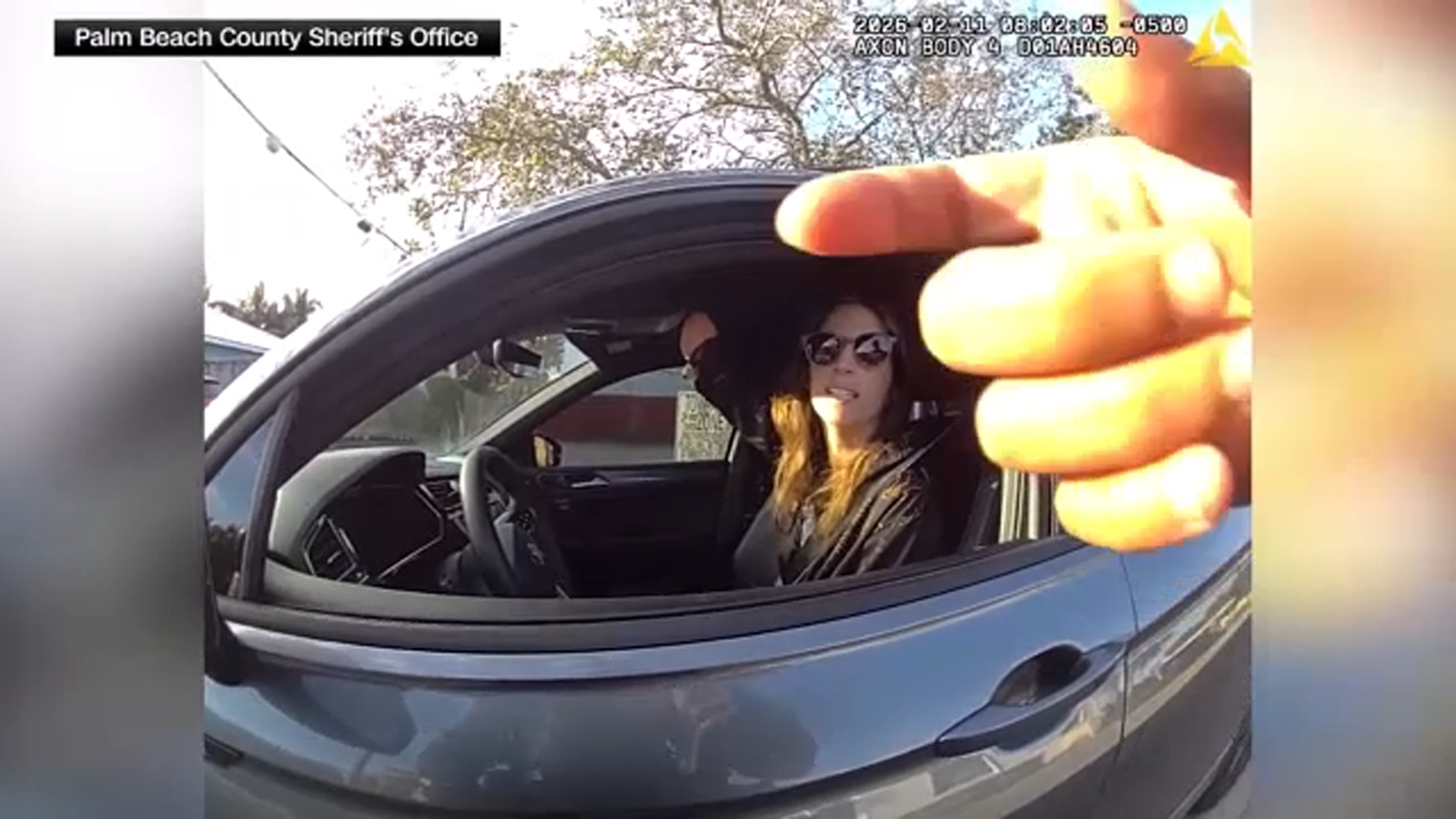
A Florida phone citation dismissed case has captured national attention after a Palm Beach County Sheriff’s Deputy issued a $116 traffic ticket to a driver he accused of holding a mobile phone with her right hand , only to discover during the stop that she does not have a right hand. The now-viral incident, which occurred in February, ended with a court officially throwing out the ticket after the sheriff’s office conceded there was “insufficient evidence” to support the charge.
The story is more than just a viral moment. It raises important questions about how law enforcement officers observe and interpret traffic violations in real time, what protections drivers have when they believe a citation was issued in error, and how Florida’s texting while driving laws are enforced on the state’s busy roadways.
The Traffic Stop That Started It All
Katie Thomas was driving through Palm Beach County in February when a sheriff’s deputy pulled her over. According to body camera footage later obtained by ABC News, the deputy approached Thomas and claimed he had seen her holding a phone in her right hand while driving , an action that would violate Florida’s law against texting while driving.
“You drove past me holding the phone with your right hand, manipulating that phone,” the deputy states in the video.
What happened next was both shocking and somewhat humorous. Thomas raised her right arm, clearly displaying that she has no right hand. She laughed and responded with a simple, deadpan reply: “Obviously not.”
She then attempted to end the encounter amicably, asking the deputy, “So you want to just call this a day?”
Despite the obvious visual evidence contradicting his observation, the deputy insisted that he believed he saw her holding the phone in her right hand. He proceeded to issue her a $116 traffic citation for texting while driving.
How the Body Camera Video Went Viral
Thomas posted the body camera footage of the bizarre traffic stop on social media, where it quickly spread across platforms. Viewers were stunned that an officer could issue a citation for holding a phone with a hand that clearly did not exist.
The video became a lightning rod for conversations about policing practices, observation accuracy, and the rights of motorists , particularly those with disabilities who may face unique challenges during routine traffic stops.
Body camera footage has increasingly played a crucial role in documenting police interactions, and this case is yet another example of how transparency tools can lead to accountability when officers make mistakes.
The Phone Citation Was Dismissed
Months after the embarrassing February encounter, the phone citation dismissed ruling came down in court. Palm Beach County court records show that the ticket was officially dropped on a Tuesday at the explicit request of the Palm Beach County Sheriff’s Office.
The reason given for the dismissal? “Insufficient evidence.”
This is a notable outcome because it indicates that the sheriff’s office itself reviewed the case and determined that the deputy’s observation could not be substantiated in court. Rather than forcing Thomas to fight the ticket in a contested hearing, the agency voluntarily requested its withdrawal.
What the Sheriff’s Office Said
In a formal statement, the Palm Beach County Sheriff’s Office explained its decision-making process. The agency noted that the deputy had initiated the traffic stop “based upon his visual observation at the time of the incident.” After further review, however, the office determined the case should not proceed.
“The decision was made to drop the case after additional review of the Florida State Statutes involved and based upon the totality of the circumstances,” the statement read.
The sheriff’s office also offered a broader comment about how officers make enforcement decisions in the field:
“Law enforcement officers are required to make decisions based on observations made in real time. As with any enforcement action, motorists have the right to contest citations through the judicial process, where all facts and evidence can be fully evaluated.”
While the statement defended the deputy’s decision at the time, it implicitly acknowledged that errors can happen , and that the judicial process exists to correct them.
Florida’s Texting While Driving Law Explained
Florida’s ban on texting while driving has been on the books since 2019, when the state finally joined the majority of the country in making the practice a primary traffic offense. Under the current statute, drivers are prohibited from manually typing or entering letters, numbers, or symbols into a wireless communications device while operating a motor vehicle.
The law is specifically aimed at the act of typing, not simply holding a phone. Voice commands and hands-free use remain legal under most circumstances. Penalties for a first offense typically include a fine plus court costs, which can vary by county but often hover around the $116 amount Thomas was originally assessed.
Because the law focuses on observable behavior , specifically, whether a driver is actively typing , officers must rely on what they can see from outside the vehicle. That creates room for interpretation, and as the Thomas case demonstrates, even well-intentioned observations can go terribly wrong.
Why Visual Observations Can Fail
Law enforcement officers have a difficult job. In a matter of seconds, they must observe a vehicle, assess whether a violation is occurring, and make a split-second decision about whether to initiate a stop. Several factors can contribute to mistaken observations:
- Distance and angle: Viewing a vehicle from another moving car at varying angles can distort what an officer sees.
- Lighting and weather conditions: Sun glare, rain, or tinted windows can obscure the interior of a vehicle.
- Driver appearance: Hair, hats, or other obstructions can confuse an officer’s view of what a driver is actually doing.
- Speed and movement: A brief glance is sometimes all an officer has before deciding to pull a driver over.
In Thomas’s case, none of these typical factors explained the deputy’s error. The fundamental issue was simpler: the alleged violation was physically impossible for the driver to commit as described.
What to Do If You Receive a Wrongful Citation
The dismissal of Thomas’s citation offers a useful roadmap for other drivers who believe they have been unfairly ticketed. If you find yourself holding a citation you do not believe is valid, consider the following steps:
- Remain calm and polite during the stop. Arguing with an officer at the scene rarely changes the outcome and can escalate the situation.
- Document everything. If you have a dashcam or witness passengers, gather any evidence that supports your account.
- Request body camera footage. Most agencies are required to release body camera footage through public records requests, and the video can be decisive in contested cases.
- Contest the citation in court. Florida drivers have the right to challenge traffic tickets, and many jurisdictions hold informal hearings where an officer must justify the citation.
- Consider consulting an attorney. For more serious offenses, a traffic attorney can help navigate the legal process and represent you in court.
For Thomas, simply having the body camera footage to share publicly was enough to put pressure on the sheriff’s office to revisit the case. The viral nature of her post likely contributed to the speed of the dismissal.
A Broader Conversation About Traffic Enforcement
The Thomas incident opens up a larger discussion about how traffic stops are conducted and the standards applied to officer observations. While the deputy’s error in this case was unusually clear-cut, similar mistakes happen more often than many people realize. Drivers across the country have contested citations for behaviors they did not engage in, ranging from alleged speeding based on faulty radar readings to claims of unsafe lane changes that never occurred.
The case also highlights the importance of body camera programs. Without the footage, Thomas’s account of the encounter would have been her word against the deputy’s. The video provided irrefutable evidence that she could not have been holding a phone in her right hand, ultimately leading to the phone citation dismissed outcome.
For drivers with disabilities or unique physical circumstances, the encounter underscores the need for respectful and accurate observation by law enforcement. Misidentifications can lead to citations, wasted court time, and emotional distress , even when the ticket is eventually thrown out.
Final Thoughts
The story of Katie Thomas’s dismissed phone citation is equal parts absurd and instructive. It is easy to laugh at the obvious nature of the deputy’s mistake, but the case carries a serious message: traffic enforcement must be grounded in accurate observation, and drivers have meaningful rights when an officer gets it wrong.
Thanks to the body camera footage and Thomas’s willingness to share her story publicly, justice was served , albeit several months late. For other drivers who find themselves in similarly frustrating situations, this case is a reminder that contesting a citation is not only possible but often the right course of action. With the right evidence and persistence, even the most questionable tickets can be challenged and dismissed.
As body camera technology continues to expand across police departments nationwide, more drivers will likely find themselves empowered to dispute traffic citations backed by clear video evidence. The Florida phone citation dismissed case stands as a vivid example of how transparency, accountability, and the judicial process work together to correct errors , no matter how unusual they may be.